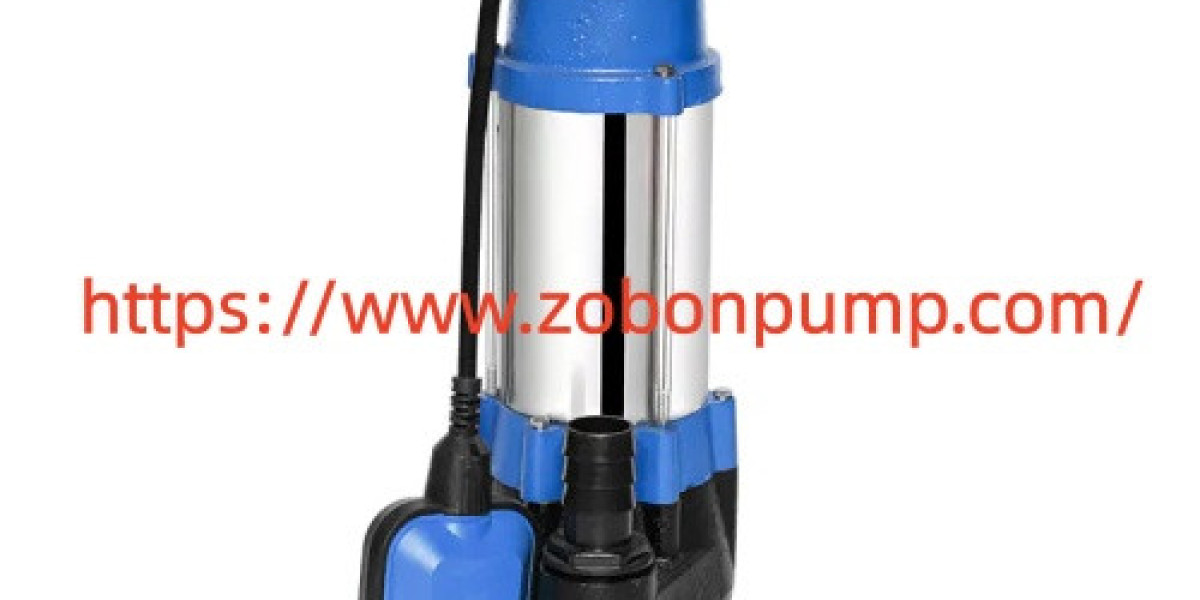

High Pressure Water Pump selection should begin with a clear understanding of the application rather than simply comparing product specifications. Buyers need to consider required flow, operating conditions, construction materials, motor characteristics, installation space, and expected workload. These factors can directly influence whether a selected unit fits the intended system and daily operating requirements.
The first point to examine is the required flow range. Different facilities may handle different volumes of liquid, and the equipment should correspond with the actual demand. Buyers can calculate the expected flow according to the application, delivery distance, operating schedule, and destination. Providing accurate figures to a manufacturer can make technical discussions more efficient.
Pressure requirements should also be reviewed carefully. Pipeline length, elevation, valves, filters, fittings, and other resistance factors can influence the pressure required by a system. A unit selected without considering these conditions may not provide the expected operating performance. Buyers should therefore evaluate the complete transfer route instead of looking at one specification in isolation.
The characteristics of the liquid are another important consideration. Temperature, particle content, chemical properties, and viscosity can influence material selection and component design. Applications involving clean liquid may have different requirements from facilities handling liquids containing particles or corrosive substances. Sharing detailed fluid information with the manufacturer can help determine an appropriate construction configuration.
Motor specifications deserve attention as well. Voltage, frequency, rated power, rotation requirements, and operating duration should correspond with the local electrical environment and intended workload. Buyers should also consider whether the equipment will operate continuously or intermittently. Matching electrical characteristics with actual usage can help create a more practical configuration.
Installation conditions can have a significant effect on product selection. Before ordering, buyers should check available space, mounting arrangements, inlet and outlet dimensions, pipeline direction, and access for future servicing. Facilities with limited installation areas may require a compact structure, while larger processing environments may allow additional configuration flexibility.
Maintenance is another factor worth reviewing before purchase. Easy access to service points can simplify routine inspection and component replacement. Buyers may ask manufacturers about recommended maintenance schedules, commonly replaced parts, sealing components, and service procedures. A clear maintenance plan can make long term equipment management more organized.
Energy consumption can also influence purchasing decisions. Operating hours, motor rating, system demand, and control methods may affect electricity usage. Businesses that operate equipment for extended periods can evaluate the relationship between required capacity and actual workload. This helps avoid selecting a configuration that does not correspond with the needs of the facility.
Control functions are increasingly relevant in automated production environments. Some applications may require manual controls, while others can benefit from integration with sensors, control cabinets, or automated process systems. Buyers should communicate their preferred control method at the quotation stage so that the manufacturer can consider it during configuration.
There are also situations where a smaller drainage solution is more appropriate than a high capacity unit. For specific removal tasks, a Small Drainage Water Pump can provide a compact option where installation space and discharge requirements are limited. The correct choice depends on the actual operating conditions rather than the name of the product alone.
Customization may be useful when standard specifications do not fully match a project. Adjustments can involve motor parameters, connection dimensions, materials, sealing arrangements, control functions, or mounting structures. Zobonpump can discuss these requirements with buyers and provide configuration suggestions based on the information supplied by each project.
A reliable purchasing process begins with accurate technical information. Buyers can prepare details covering flow demand, required pressure, liquid characteristics, temperature, electrical conditions, installation dimensions, operating hours, and control preferences. The more complete the project information, the easier it becomes for a manufacturer to assess suitable configurations and discuss practical options.
Before making a final decision, buyers should compare technical specifications with actual application requirements, installation conditions, maintenance expectations, and operating patterns. This approach can reduce configuration mismatches and support smoother installation planning. Zobonpump offers a range of fluid handling solutions for different application requirements. Buyers can visit https://www.zobonpump.com/product/ to review relevant product categories and consider suitable options for their projects.