
Aquaculture management depends on equipment that can work in harmony with water conditions, farm routines, and surrounding infrastructure, and choosing an Impeller Type Aerator involves much more than considering the basic action of moving water. Material selection, purchasing priorities, functional engineering, manufacturing technology, operator interaction, maintenance, and visual organization can all influence how naturally an aerator becomes part of a complete pond-management environment.
Material selection should begin with the conditions surrounding the equipment. Pond aerators may encounter water, humidity, algae, sediment, sunlight, dirt, cleaning materials, and repeated outdoor handling. Manufacturers can therefore consider corrosion resistance, structural stability, surface durability, moisture exposure, and compatibility among different materials. Floating structures, frames, impeller-related components, fasteners, protective covers, and electrical sections may all have different material requirements according to their roles.
The relationship between materials and moving components deserves particular attention. An impeller-based aerator relies on coordinated movement between several mechanical parts, so material choices can influence how these components interact during operation and maintenance. Engineers can consider surface condition, wear behavior, structural support, and connection relationships when developing the machine. A balanced material approach can help the equipment remain practical through repeated use.
Cleaning conditions should also be considered during material planning. Aquaculture environments may produce algae, organic deposits, mud, and other residue around water-contact areas. Parts that are easier to inspect and clean can reduce routine maintenance effort for operators. Choosing materials and finishes with the entire care process in mind can therefore make the product more suitable for long-term farm use.
Purchasing decisions should start with the pond and not simply the machine category. Operators can examine pond layout, water circulation needs, equipment placement, access paths, cleaning routines, storage arrangements, and compatibility with other water-management equipment. A clear understanding of the farm environment allows buyers to focus on how the aerator will actually be used rather than selecting a product based only on general descriptions.
Farm management style can influence procurement as well. Some operations may require equipment that is easy to relocate, while others may prefer a more fixed arrangement within an established pond system. Buyers can consider installation work, operator access, seasonal changes, routine cleaning, equipment storage, and interaction with electrical or water-management systems before deciding on a suitable product concept.
Supplier evaluation should include development capability as well as manufacturing capacity. Buyers can review engineering communication, material knowledge, production organization, quality management, customization flexibility, packaging, and customer support. A supplier that understands aquaculture environments can participate more effectively in product-development discussions. Taizhou Yuansheng Aquacul Ture Machinery Co., Ltd. applies practical manufacturing experience to aquaculture machinery while considering different farming environments and customer requirements.
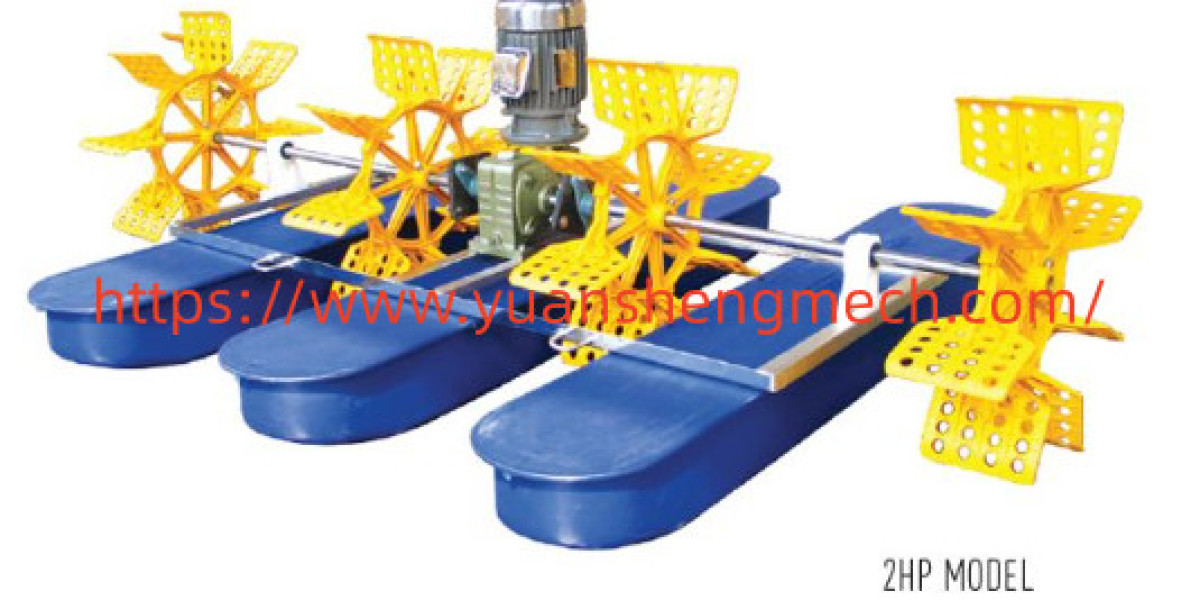
Functional engineering determines how effectively the aerator works within the pond. Designers need to coordinate the impeller, motor, shaft, support structure, floating sections, protective components, and connection areas. Rather than treating the rotating mechanism as an isolated feature, engineers can examine the complete relationship between movement, water interaction, structural support, access, and maintenance.
Impeller design is closely connected with water interaction. Engineers can study blade form, movement direction, support arrangements, and the relationship between the rotating section and surrounding water. The purpose is to develop an organized water-moving process that remains practical for the intended pond environment while keeping the mechanical structure accessible for inspection.
Motor and mechanical integration also deserve attention. The motor provides the driving action, while shafts, bearings, protective housings, and supporting structures help transfer that motion into the working section. Designers can consider alignment, protection, service access, and component relationships together so the equipment remains easier to understand and maintain.
Manufacturing technology supports these engineering decisions before production begins. Digital modelling can help teams examine impeller structures, floating frames, mounting relationships, protective sections, and assembly arrangements before physical fabrication. Machining, fabrication, welding, molding, sealing, assembly, electrical integration, surface treatment, and inspection can then translate the approved design into finished equipment.
Production feedback can further improve the development process. Manufacturing teams may identify opportunities to simplify assembly, while inspection personnel can provide observations about surface condition or component consistency. Operators can also contribute information about positioning, cleaning, handling, and maintenance. Connecting factory experience with field feedback can help manufacturers refine future aerator designs.
User experience is shaped by the people who install, operate, clean, and service the machine. Farm workers may need to move the aerator, inspect working areas, remove residue, check connections, or prepare the equipment for storage. Accessible components, understandable layouts, practical handling points, and clear service areas can make these routines easier to manage.
Maintenance should remain part of the design process. Pond equipment can accumulate algae, mud, organic residue, and moisture around mechanical and water-contact areas. Designers can provide practical access to relevant sections and consider cleanable surfaces, serviceable components, and organized connections. These details can support more convenient routine care without unnecessarily complicating the machine.
Handling and storage can also affect product usability. Equipment may need to be removed, relocated, inspected, or stored during maintenance or changing farming arrangements. Practical structural organization and well-prepared supporting components can make these transitions easier for operators and distributors.
Design and appearance contribute to how the aerator fits into the pond environment. Floating structures, impeller covers, frames, surface finishes, and visible connections can influence the overall appearance of the site. A clean and organized visual form may also help operators recognize important components more quickly during inspection and maintenance.
Customization provides flexibility for aquaculture farms, agricultural distributors, retailers, equipment brands, and private-label customers. Different projects may require alternative structural layouts, protection concepts, mounting arrangements, surface finishes, colors, or supporting accessories. Flexible manufacturers can adapt these details while keeping product engineering and production coordinated.
Sustainability can also influence aerator development. Efficient material utilization, reduced fabrication waste, durable construction, repair-friendly components, reusable packaging, and longer equipment lifecycles can support more responsible resource management. These considerations can be developed alongside maintenance, usability, and production efficiency.
Quality management connects material preparation, design review, fabrication, machining, assembly, electrical integration, surface treatment, inspection, packaging, and customer feedback. Information from farmers, operators, technicians, distributors, and engineers can reveal opportunities related to water interaction, cleaning, handling, service access, storage, and product organization.
Taizhou Yuansheng Aquacul Ture Machinery Co., Ltd. continues developing aquaculture machinery through practical manufacturing experience, coordinated engineering, flexible product development, and quality-focused processes. Its approach connects material selection, impeller organization, water movement, mechanical integration, installation, maintenance, user experience, customization, and visual design throughout product development. More information about its products and manufacturing capabilities is available at https://www.yuanshengmech.com/.