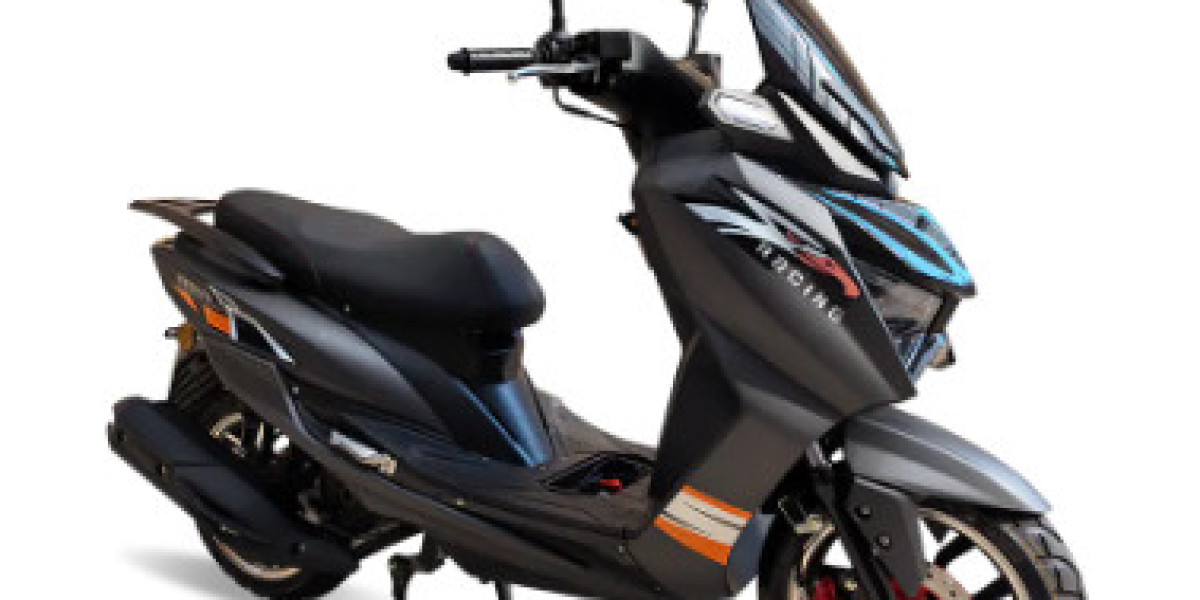

Customized motorcycle development requires a close relationship between product design and manufacturing execution. A Custom Motorcycle Factory in China may support international customers with design coordination, component sourcing, production planning, assembly, and inspection. The effectiveness of such a project depends not only on the appearance of the finished vehicle but also on how carefully the design is translated into reliable manufacturing procedures.
Market requirements are an important starting point. Different regions may have different expectations concerning vehicle size, riding position, storage, lighting, braking, powertrain configuration, packaging, and service access. Climate and road conditions can also influence material selection and component protection. Before production begins, customers and engineering teams should establish the intended application, target users, regulatory requirements, and preferred product characteristics.
The frame is one of the first systems to review because it determines the relationship between many other components. Frame geometry affects steering, stability, rider posture, and available installation space. Customized projects may require changes to brackets, mounting points, subframes, or support structures. These changes should be evaluated through drawings, samples, and dimensional checks to ensure that they do not create conflicts during assembly.
Welding and forming processes are especially important for structural consistency. Tubes and sheet materials must be cut, shaped, positioned, and joined according to controlled procedures. Fixtures can help maintain repeatable geometry during welding. Inspection may include checking joint appearance, alignment, dimensions, and the position of mounting points. Consistent frame production creates a more stable foundation for the body, suspension, powertrain, and electrical systems.
Material planning also influences project efficiency. Structural metals should be selected according to strength, weight, corrosion exposure, and production requirements. Plastic body components must provide suitable durability and surface quality while remaining compatible with the selected molding process. Rubber, glass, coatings, fasteners, and electrical materials each contribute to the complete vehicle. Coordinating these materials early can help reduce compatibility problems and unnecessary production changes.
Customized bodywork must combine styling with practical functionality. Panels should protect internal systems while allowing access for inspection and service. Their shape must provide suitable clearance around the engine, exhaust, wheels, steering, suspension, and wiring. Manufacturing processes such as injection molding or machining require attention to tooling, tolerances, surface treatment, and repeatability. A visually attractive design still needs to be suitable for stable production.
Powertrain integration is another major consideration. The engine or motor, transmission, intake, exhaust, cooling, and mounting components must be arranged within the frame without creating avoidable interference. Customized body panels may change airflow or heat distribution, so thermal conditions should be reviewed during development. Service access is equally important because routine maintenance becomes more difficult when components are placed behind complicated structures.
Electrical systems require organized planning as well. Headlamps, rear lamps, indicators, instruments, ignition, charging systems, and control units must be connected safely. Harnesses should be protected from sharp edges, moving parts, moisture, and heat. Connector locations should be accessible for inspection. When a project includes different electrical components, the team should verify compatibility and test the complete system after assembly.
Production control becomes more important when multiple configurations are involved. A flexible manufacturing process may use shared platforms, modular fixtures, common components, and configuration-specific work instructions. However, each variation should be clearly identified through drawings, part numbers, samples, and revision records. This helps operators understand which components belong to each version and reduces the risk of mixing similar parts.
Final inspection should include both appearance and function. Inspectors may review panel fit, surface finish, fasteners, wiring, lighting, braking, steering, suspension, starting, and other relevant systems. Packaging should also protect the vehicle during handling and transportation. Clear documentation can help distributors understand assembly requirements, service procedures, and replacement-part identification after delivery.
The value of a Custom Motorcycle Factory in China is connected to its ability to combine flexible development with controlled production. ZHIWEKI works with international customers on scooter and motorcycle projects involving material coordination, engineering integration, manufacturing procedures, and quality management. Customers can review its two-wheel vehicle product information at https://www.zw-motor.com/product/scooter-motorcycle/ .