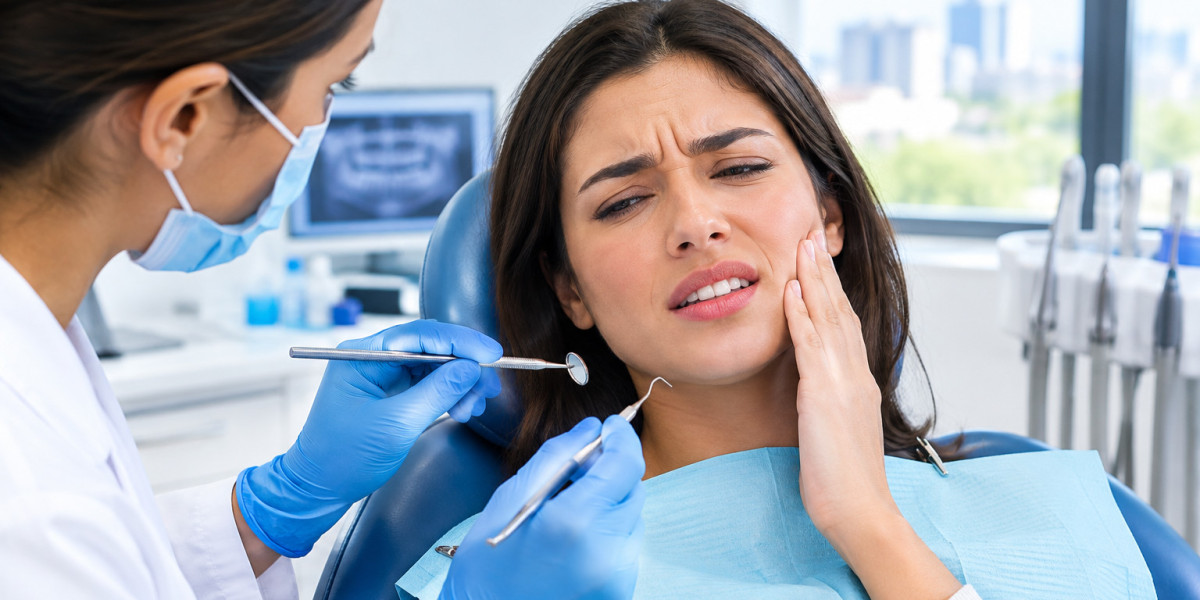

Sudden tooth pain, facial swelling, bleeding, or a damaged tooth can turn an ordinary day into an urgent health concern. An Emergency Dentist in Charlotte can evaluate these problems, identify the likely cause, and determine what treatment is needed to relieve pain and protect oral health. For residents in and around Charlotte, North Carolina, understanding when dental symptoms require prompt professional attention can help prevent a manageable problem from becoming more complicated.
What Is Considered a Dental Emergency?
A dental emergency is generally a situation involving significant pain, bleeding, infection, trauma, or damage that should not reasonably wait for a routine dental appointment. Severe toothache, a knocked-out permanent tooth, a broken or severely cracked tooth, uncontrolled oral bleeding, and swelling associated with infection are examples that may require urgent evaluation.
The American Dental Association notes that emergency dental care can involve conditions requiring immediate attention to control bleeding, relieve severe pain, manage infection, or address injuries that could affect the airway.
Not every dental problem requires emergency treatment. However, symptoms that are rapidly worsening, unusually severe, or accompanied by swelling or fever should be taken seriously.
Why Severe Tooth Pain Should Not Be Ignored
Tooth pain can have several causes, including advanced decay, inflammation of the dental pulp, a cracked tooth, gum infection, or an abscess. Pain may initially come and go, which can make it tempting to postpone treatment. The underlying problem, however, may continue progressing even when symptoms temporarily improve.
The CDC reports that nearly 21% of U.S. adults aged 20 to 64 had at least one untreated cavity in permanent teeth based on national surveillance data. Untreated decay can cause pain and infection and, in severe cases, may contribute to an abscess that can spread beyond the tooth.
For Charlotte residents, prompt assessment can help determine whether the tooth can be preserved or whether more extensive treatment is necessary.
When Swelling May Signal an Infection
Swelling around the tooth, gums, cheek, or jaw can indicate an infection. Other warning signs may include tenderness, a bad taste in the mouth, difficulty opening the mouth, fever, or increasing discomfort.
Dental infections should not be treated as simply a pain problem. An abscess can develop when bacteria reach deeper structures within a tooth or surrounding tissues. If swelling spreads toward the face or neck, or if a person has difficulty breathing or swallowing, emergency medical attention may be necessary.
This is particularly important because the ADA identifies certain infections involving significant soft-tissue swelling and potential airway compromise as dental emergencies.
What to Do After a Knocked-Out or Broken Tooth
Dental injuries can happen during sports, falls, vehicle accidents, workplace incidents, or everyday activities. A knocked-out permanent tooth requires particularly prompt attention because the chances of successful treatment can depend on how quickly the tooth is assessed.
A broken tooth should also be evaluated when there is significant pain, bleeding, sharp edges, or visible damage. Avoid chewing on the injured side and protect the area from additional trauma until professional care is available.
For a knocked-out tooth, handle it carefully by the crown rather than the root. If possible, follow professional guidance about preserving the tooth and seek dental attention promptly.
Why Local Access Matters in Charlotte
Charlotte is a growing metropolitan area with residents traveling throughout the city and surrounding communities for work, school, family responsibilities, and daily activities. A dental problem can occur at an inconvenient time and make traveling or waiting for a conventional appointment difficult.
Local access to emergency dental care Charlotte NC can provide an important option when symptoms require timely assessment. Knowing where to seek care before a dental crisis occurs can reduce uncertainty and help patients respond more calmly when unexpected pain or injury develops.
A convenient Charlotte location also makes it easier for patients to seek professional evaluation without unnecessarily delaying care.
How Dentists Evaluate an Urgent Dental Problem
An emergency dental evaluation generally begins with a discussion of symptoms, medical and dental history, and the circumstances surrounding the problem. The dentist may examine the affected tooth and surrounding tissues and use dental imaging when appropriate.
The purpose of the assessment is not simply to stop pain. It is to identify the underlying cause and determine the safest treatment approach. Depending on the diagnosis, treatment may involve repairing a damaged tooth, addressing decay, treating an infection, managing soft-tissue injury, or removing a tooth when it cannot be predictably restored.
Pain management is also an important part of urgent dental treatment. Current ADA guidance supports evidence-based approaches for managing acute dental pain and emphasizes appropriate non-opioid options when clinically suitable.
Preventing Future Dental Emergencies
Some urgent dental problems can be reduced through preventive care. Regular examinations allow dentists to identify cavities, damaged restorations, gum problems, and other concerns before they become severe.
Daily brushing with fluoride toothpaste, cleaning between teeth, limiting frequent exposure to sugary foods and drinks, wearing appropriate protection during contact sports, and maintaining regular dental visits can all support better oral health.
The CDC emphasizes that oral health is closely connected with overall health and well-being. It also reports that more than 40% of adults have experienced mouth pain within the previous year.
Final Thoughts
Dental emergencies can develop unexpectedly, but knowing the warning signs makes it easier to respond appropriately. Severe pain, significant swelling, uncontrolled bleeding, dental trauma, and suspected infection deserve timely professional evaluation rather than prolonged self-treatment.
For people seeking dental assistance in Charlotte, Emergency Dentist in Charlotte provides a local point of contact at 1824 East Arbors Drive, Charlotte, NC.