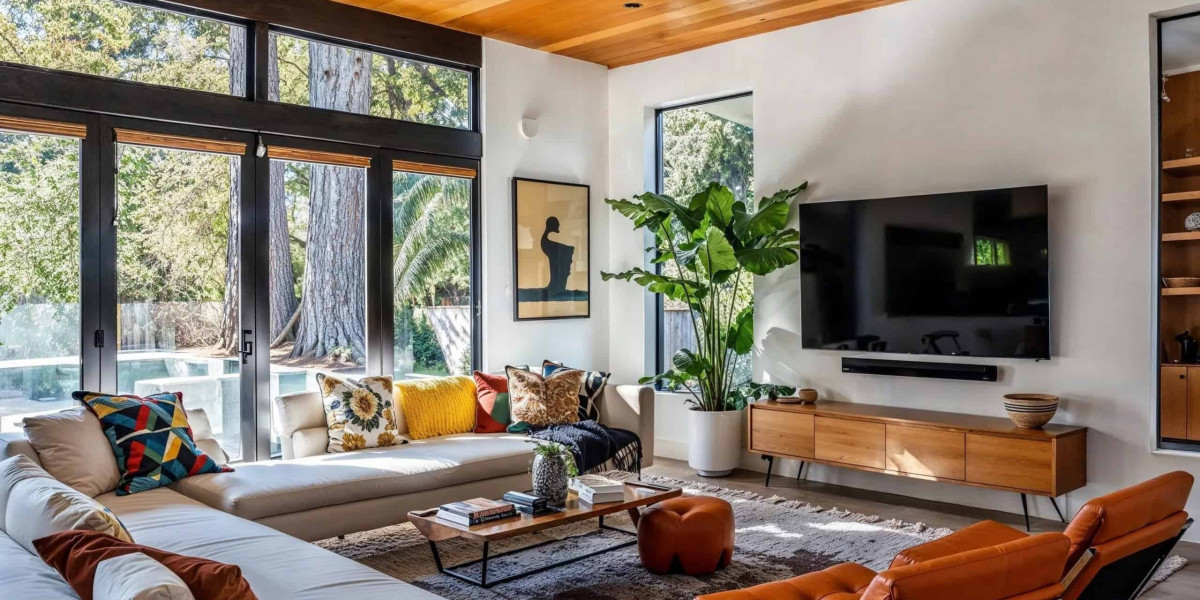

Authentic mid-century modern furniture comes from a design period generally associated with the middle decades of the 20th century, particularly the 1940s through the 1960s. The style is recognized for clean lines, functional forms, natural materials, and innovative manufacturing techniques. Genuine vintage pieces can reflect the craftsmanship, materials, and production methods available during their original era. Understanding these characteristics is the first step toward distinguishing an authentic item from a modern reproduction.
The popularity of mid-century design has created a large market for both original vintage furniture and newly manufactured pieces inspired by the period. Modern reproductions can look remarkably similar to vintage designs, making identification difficult for inexperienced buyers. However, differences in construction, materials, hardware, markings, proportions, and aging can often provide useful clues. Learning what to examine before purchasing can help buyers make more informed decisions and avoid confusing contemporary styling with genuine vintage furniture.
Examine Materials and Construction Quality
Materials can provide important evidence when determining whether a piece is genuinely vintage. Many original mid-century modern furniture were made using woods such as teak, walnut, oak, and rosewood, while designers also experimented with molded plywood, fiberglass, metal, and early plastics. Examine the wood grain, veneer, edges, joints, and overall finish carefully. Natural aging, appropriate material choices, and period-appropriate construction techniques can help support the authenticity of a vintage piece.
Construction methods can be equally revealing. Older furniture often shows craftsmanship that differs from the standardized manufacturing processes used today. Look closely at drawer joints, screws, brackets, hinges, leg attachments, and cabinet interiors rather than judging the piece only by its exterior appearance. Dovetail joints, older screw designs, carefully finished edges, and period-specific hardware can provide useful clues, although no single construction detail should automatically determine authenticity.
Check Labels, Markings, and Manufacturer Details
Manufacturer labels and markings are among the most useful features to investigate when purchasing vintage furniture. Original manufacturers sometimes placed paper labels, metal tags, stamps, or impressed marks on the underside, inside drawers, cabinet backs, or other less visible areas. These markings may identify the manufacturer, designer, production location, or model. A label alone does not guarantee authenticity, but it can provide valuable evidence when combined with construction and material details.
Buyers should also be cautious when markings appear unusually new or inconsistent with the furniture's condition. Some vintage pieces may have missing labels because they were removed, damaged, or lost over decades of use. Conversely, reproductions can sometimes carry misleading labels or markings designed to create the impression of age. Comparing a manufacturer's known labels, hardware, and production details with the actual piece can provide stronger evidence than relying on a single mark.
Look Closely at Proportions and Design Details
Authentic mid-century designs often have carefully calculated proportions that reflect the design principles of their period. Tapered legs, slim frames, gently curved backs, floating cabinet forms, and simple geometric silhouettes are common characteristics. Reproductions may imitate these visual elements but sometimes differ subtly in dimensions, angles, thicknesses, or spacing. Comparing the piece with documented examples of the original design can therefore reveal important differences.
Pay attention to details that might not be immediately noticeable. A chair's leg angle, the thickness of a tabletop, the shape of an armrest, or the spacing between cabinet doors may distinguish an original design from a reproduction. Modern manufacturers sometimes modify historical designs to accommodate current manufacturing standards, safety requirements, or consumer preferences. These changes can make a reproduction visually similar while still differing from the original in meaningful ways.
Consider Age, Patina, and Signs of Wear
Natural aging can provide additional clues, but it should never be treated as absolute proof of authenticity. Genuine vintage furniture may develop changes in color, surface texture, hardware appearance, and finish after decades of normal use. Wood can develop a deeper tone, while frequently touched surfaces may show subtle wear. These characteristics can contribute to a convincing patina when they occur naturally and consistently across the piece.
At the same time, artificial aging techniques can make newer furniture appear much older than it actually is. Scratches, distressed finishes, artificially darkened wood, and intentionally worn edges may be added during manufacturing. Look for consistency between the apparent age of the surface and the construction underneath. For example, extremely old-looking exterior surfaces combined with brand-new hardware or modern construction methods may warrant additional investigation before purchase.
Evaluate Mid-Century Modern Decor as a Whole
When a furniture piece is placed within a historically appropriate setting, its design characteristics can become easier to evaluate. Mid-century modern decor is broader than individual furniture pieces and can provide useful context when assessing authenticity. Lighting, rugs, artwork, shelving, tables, ceramics, and accessories from the period often share similar principles of simplicity, functionality, and carefully considered form. However, a stylish room alone does not establish that every item inside it is vintage.
Modern interiors frequently combine original pieces with contemporary reproductions, and there is nothing inherently wrong with this approach. In fact, high-quality reproductions can provide practical alternatives when authentic vintage furniture is expensive, rare, or difficult to maintain. The important distinction is whether the seller accurately represents the item's age and origin. Buyers should focus on transparency and documentation rather than assuming that every mid-century-inspired piece is an original.
Research Before Buying and Know When to Seek Expertise
Research is one of the most effective tools for identifying authentic furniture. Before purchasing an expensive piece, study the designer, manufacturer, model name, known dimensions, materials, labels, and historical production details. Original catalogs, reputable reference books, auction records, and museum collections can help establish what an authentic example should look like. Taking photographs of labels, joints, hardware, and the underside of furniture can also make comparisons easier.
For valuable or rare pieces, professional expertise may be worth the additional cost. Experienced vintage furniture dealers, restoration specialists, and qualified appraisers can identify details that a first-time buyer might overlook. An expert can also help distinguish between an original production piece, a later authorized version, a licensed reproduction, and an unrelated modern imitation. This distinction can significantly affect the item's historical importance, resale value, and appropriate price.
Making a Confident Purchase
Identifying authentic mid-century modern furniture requires more than recognizing a familiar silhouette. Materials, construction techniques, labels, proportions, hardware, aging, and historical documentation should all be considered together. No single characteristic can reliably prove authenticity because vintage furniture has often been repaired, refinished, modified, or restored during its lifetime. A careful evaluation of multiple details provides a much stronger basis for making a purchasing decision.
Modern reproductions can still be excellent choices when they are honestly represented and well constructed. They allow homeowners to enjoy the clean lines and functional character of mid-century design without necessarily purchasing rare vintage pieces. Whether selecting an original or a reproduction, buyers should understand exactly what they are purchasing, evaluate its construction and condition, and choose pieces that suit their needs. With patience and informed research, it becomes much easier to appreciate genuine vintage furniture while recognizing contemporary interpretations of this enduring design style.