
Keeping signs, displays, outdoor equipment, and temporary structures stable is an important consideration for businesses, event organizers, contractors, and homeowners. A lightweight object may look secure when placed in a calm environment, but wind, movement, uneven surfaces, and everyday activity can quickly create stability problems. The right weight can provide dependable support without making setup unnecessarily difficult.
When choosing weights for signs, it is important to consider the size and design of the sign, where it will be placed, and how much movement or wind exposure it may experience. A properly selected weight helps keep a sign positioned correctly while reducing the risk of tipping, shifting, or falling over.
Why Stability Matters for Signs
Signs are commonly used outside businesses, at construction areas, parking lots, events, entrances, sidewalks, and promotional locations. Because many signs are designed to be portable, they need a support system that provides stability while still allowing them to be moved when necessary.
An unsecured sign can become inconvenient or potentially hazardous. Wind can push lightweight signs across a surface, while accidental contact from people, carts, vehicles, or equipment can cause them to shift. Using an appropriate weighted base helps minimize these problems.
The ideal support should provide enough downward force to keep the sign steady without creating unnecessary handling challenges. This is especially useful for temporary signs that need to be installed, removed, and repositioned frequently.
Understanding Weights for Signs
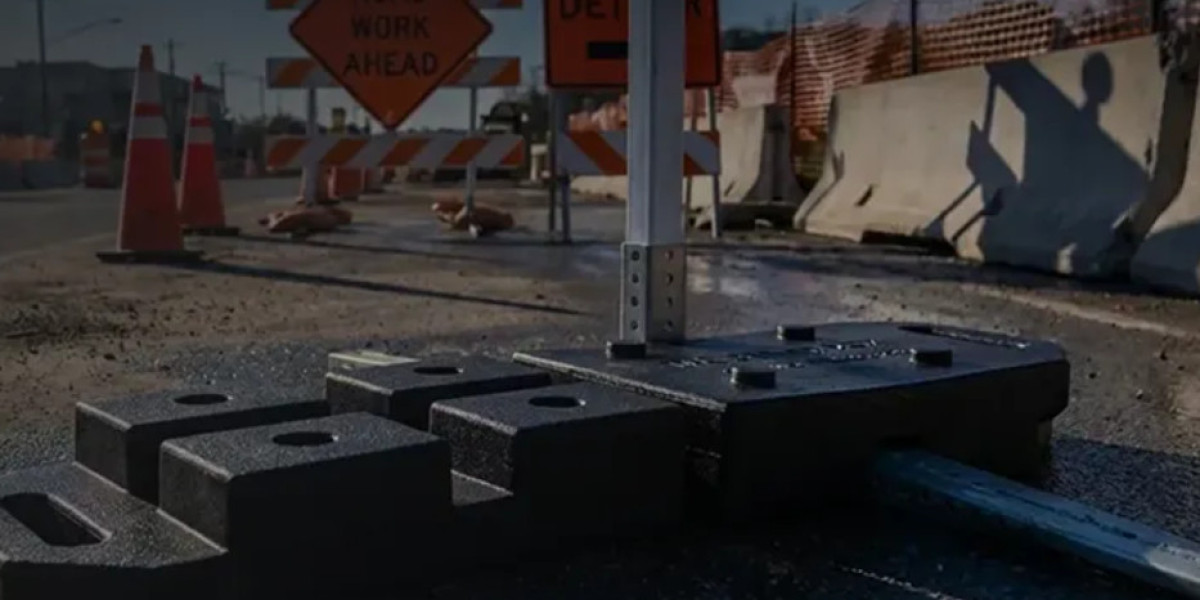
There are many types of weights for signs, and the best option depends on the application. Some weights are designed to sit directly on a sign base, while others may attach to frames, legs, poles, or other structural components.
A good sign weight should be durable, stable, and easy enough to handle for the people responsible for installation. Outdoor applications also require materials that can tolerate changing weather conditions and repeated use.
The weight should complement the sign rather than interfere with its appearance or functionality. For professional environments, a compact and well-designed weight can provide stability while maintaining a clean and organized presentation.
Benefits of Using Compact Heavy Weights
Not every application requires a large or bulky block of material. In many situations, small heavy weights to hold things down can provide the stability needed while taking up very little space.
Compact weights are particularly useful when storage space is limited. Businesses may need to keep several weights available for signs, displays, equipment, or temporary installations. Smaller designs can often be stacked, transported, or stored more conveniently than oversized alternatives.
Another advantage is easier handling. A weight that is heavy enough to provide reliable stability but compact enough to carry comfortably can make setup and removal much more efficient.
Applications Beyond Signs
Although signs are one of the most common uses, small heavy weights to hold things down can be useful in many other situations. Temporary displays, outdoor decorations, equipment covers, event materials, cords, lightweight barriers, and other objects may require additional stability.
For event organizers, weights can help keep temporary materials in place during outdoor gatherings. Contractors may also use weighted solutions when working with temporary equipment or site materials. Homeowners can benefit from compact weights for seasonal decorations, outdoor displays, and other objects that may move in changing weather.
The key is matching the weight to the object and environment. A small indoor display may require very little support, while an outdoor object exposed to strong wind may require considerably more.
Choosing the Right Weight
Before purchasing or using a weight, consider several factors. First, evaluate the object that needs to be stabilized. Larger signs and structures generally require more support than small displays.
Next, consider the surface. A weight may behave differently on concrete, asphalt, grass, gravel, or another uneven surface. The stability of the base and the contact area can influence how effectively the weight performs.
Wind exposure is another important consideration. A sign positioned in an open outdoor area may experience substantially more force than one placed beside a building or inside a protected area.
Portability should also be considered. If the sign or equipment will be moved regularly, excessively heavy or awkward weights may slow down installation and create unnecessary handling difficulties.
Durability and Repeated Use
For businesses and professionals, durability is often just as important as weight. A product that can withstand repeated handling and outdoor exposure can provide better long-term value than a temporary solution that needs frequent replacement.
Look for weights that are designed for repeated use and are suitable for the environment where they will be placed. Weather exposure, moisture, temperature changes, and frequent transportation can all affect the lifespan of a weighting solution.
A durable design can make setup more predictable and reduce the need to continually replace damaged or ineffective support materials.
Portable Solutions for Temporary Setups
Temporary signs and displays often need to be moved from one location to another. In these situations, portability becomes a major advantage.
Compact weights can be transported alongside signs and other equipment, allowing workers to establish a stable setup wherever it is needed. This can be especially useful for trade shows, promotional events, construction projects, community events, and temporary outdoor installations.
Having a consistent set of weights for signs can also simplify preparation. Instead of searching for improvised objects every time a sign needs support, users can keep dedicated weights available for quick and reliable installation.
Avoiding Improvised Weighting Methods
It can be tempting to use random objects such as bricks, rocks, tools, or containers filled with materials to hold something down. While these options may sometimes work temporarily, they may not provide consistent stability or professional appearance.
Purpose-designed weighting solutions are generally easier to position and manage. They can also provide a more predictable amount of support and may reduce clutter around the sign or display.
For businesses, a professional setup is particularly important because signs and displays often contribute to the overall appearance of a property or event.
Finding the Right Balance
The goal is not simply to choose the heaviest possible option. Instead, the right solution should balance stability, portability, durability, and ease of use.
Using small heavy weights to hold things down can be an excellent approach when space and portability are important. For larger signs or exposed outdoor installations, a heavier solution may be more appropriate.
Thinking about the environment and intended use before selecting a weight can help prevent both under-supporting and overloading an installation.
Conclusion
Stable signs and outdoor displays require dependable support. Whether the goal is to secure a promotional sign, stabilize an event display, or keep temporary equipment in position, choosing the right weight can make a significant difference.
Quality weights for signs can help reduce unwanted movement while maintaining a clean and practical setup. At the same time, small heavy weights to hold things down offer a convenient option when users need substantial stability without carrying large, cumbersome objects.
By considering the size of the item, location, weather exposure, surface, portability, and frequency of use, it becomes easier to select a weighting solution that fits the job. A well-chosen weight provides more than simple downward force—it offers dependable support, easier setup, and greater confidence that signs and temporary installations will remain where they belong.