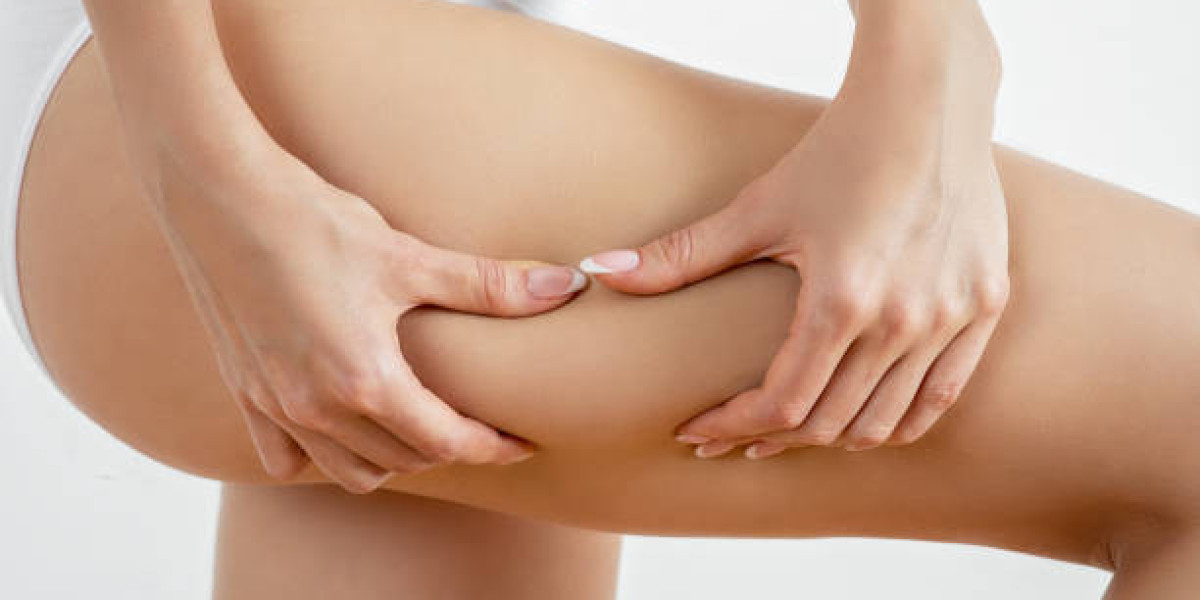

Choosing the right body contouring option depends on your goals, the treatment area, and how you want the final result to look and feel. Body Fillers in Riyadh are a non-surgical option designed to enhance selected areas by adding volume and improving body contours. Fat transfer, on the other hand, uses fat taken from another part of your own body and places it into areas where additional fullness is desired. Understanding how these treatments differ can make your consultation more productive.
Although both approaches can improve body shape, Body Fillers in Riyadh and fat transfer involve very different procedures. Fillers are generally performed without surgical fat removal, while fat transfer involves harvesting, processing, and reinjecting your own fat. The choice is usually based on factors such as the desired amount of enhancement, treatment area, available donor fat, recovery preferences, and the recommendation of a qualified medical professional.
What Are Body Fillers?
Body fillers are injectable treatments used to add volume or improve the contour of specific areas. Depending on the product and treatment plan, fillers may be considered for areas where subtle enhancement or improved proportions are desired.
How Body Fillers Work
A qualified practitioner assesses the treatment area and determines where filler may be placed to create a balanced appearance. The product is carefully injected into selected areas, with the technique depending on the treatment goal and anatomy.
Because the procedure does not involve removing fat from another body area, it can be an option for individuals who want a non-surgical approach to targeted enhancement.
What Is Fat Transfer?
Fat transfer, sometimes called fat grafting, is a surgical technique that uses a person's own fat to add volume to another area. Fat is typically collected from a donor area, processed, and then strategically injected into the desired treatment area.
How Fat Transfer Works
The process involves several stages, including fat harvesting, preparation of the collected fat, and placement into the target area. Since the procedure involves fat removal and reinjection, it generally requires more planning and recovery than an injectable filler treatment.
Fat transfer may be considered when a person wants enhancement using their own tissue and has sufficient suitable donor fat.
Body Fillers vs. Fat Transfer: Key Differences
Which Treatment May Be Better for You?
There is no single choice that is ideal for everyone. Your preferred treatment may depend on whether you want a non-surgical approach, how much enhancement you are seeking, and whether you have enough suitable donor fat for transfer.
Consider Body Fillers If You Prefer
Body fillers may be considered by individuals looking for targeted enhancement without undergoing a surgical fat-harvesting procedure. They can be useful when the goal involves localized contour refinement or volume enhancement and when the practitioner determines that fillers are appropriate for the area.
Consider Fat Transfer If You Prefer
Fat transfer may be considered when using your own tissue is important and when sufficient donor fat is available. Because it involves a surgical process, candidates should understand the additional recovery and potential considerations associated with fat harvesting and grafting.
Results and Longevity
The appearance and longevity of either treatment can vary. Filler results depend on the specific product used, treatment area, metabolism, and individual response. Some fillers are temporary and may require future maintenance.
With fat transfer, some of the transferred fat can naturally be reabsorbed by the body. The amount that remains can vary between individuals, making the final outcome less predictable than simply comparing treatment volumes.
Recovery and Aftercare
Recovery is another important difference between these procedures. Injectable body fillers generally involve less downtime, although temporary swelling, redness, tenderness, or bruising can occur.
Fat transfer requires recovery from the fat-harvesting process as well as the treated area. Following the practitioner's aftercare instructions is important for supporting healing and achieving the best possible outcome.
Safety and Choosing the Right Provider
Both treatments should be performed by appropriately qualified medical professionals with experience in body contouring procedures. During a consultation, the provider should assess your anatomy, discuss your goals, explain suitable treatment options, and identify potential risks or limitations.
Avoid choosing a treatment based only on photographs or someone else's results. Individual anatomy, skin characteristics, treatment areas, and healing responses can all influence the outcome.
Body Fillers vs. Fat Transfer: Making an Informed Decision
The main difference comes down to the treatment approach: body fillers add volume through an injectable product, while fat transfer uses fat harvested from your own body. Body Fillers in Riyadh may appeal to people seeking a non-surgical approach, while fat transfer may be more suitable for those interested in using their own fat and willing to undergo a surgical procedure. A professional assessment is the best way to determine which option aligns with your goals.
Book Your Consultation at Royal Clinic Saudia
If you are considering body contouring and are unsure whether fillers or fat transfer is right for you, a consultation can help you understand your options. Royal Clinic Saudia can assess your individual goals and recommend an appropriate treatment plan based on your needs and suitability. Discussing your expectations with a qualified practitioner can help you make a confident and informed decision.