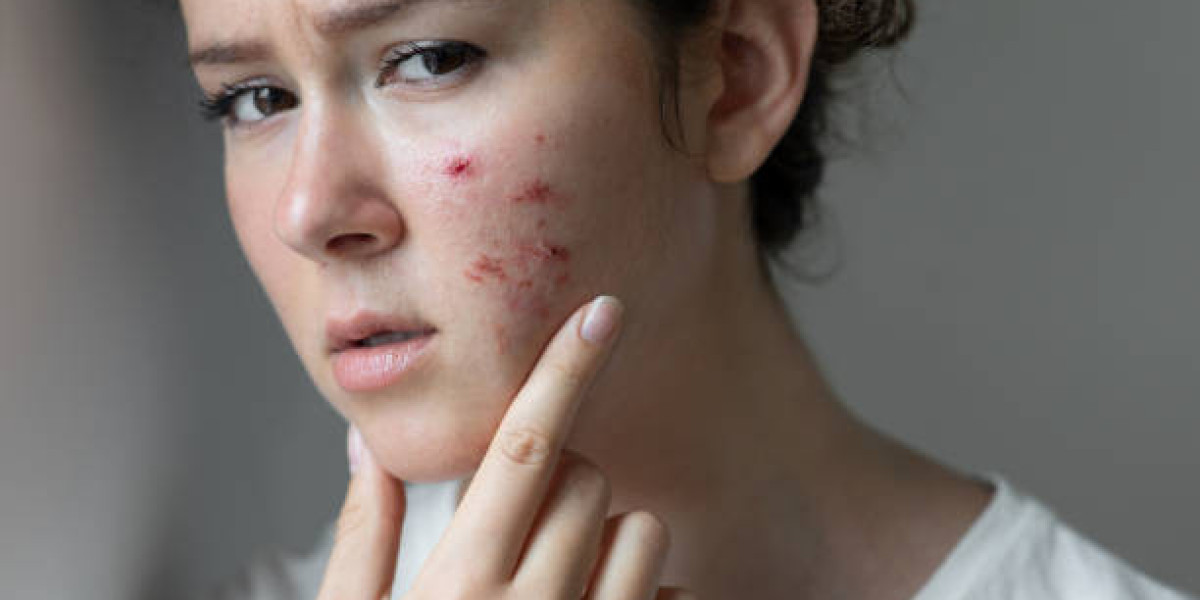

Acne can affect every skin type, but the way breakouts develop and respond to treatment may differ from person to person. Oily skin may produce excess sebum, while dry or sensitive skin can become irritated by overly aggressive products. Combination skin may experience both oiliness and dryness in different areas. Choosing Acne Treatment in Riyadh based on individual skin characteristics can help address breakouts while supporting a healthier and more balanced-looking complexion.
Why Does Skin Type Matter in Acne Treatment?
Skin type can influence how acne develops and how the skin responds to professional procedures and skincare products. Understanding whether the skin is oily, dry, combination, or sensitive helps professionals select an approach that addresses acne without creating unnecessary irritation.
Treatment Should Match the Skin
A procedure or product that works well for oily skin may not be appropriate for someone with highly sensitive or dry skin. Professional assessment allows the treatment plan to be adjusted according to oil production, sensitivity, inflammation, clogged pores, and other visible skin concerns.
Acne Treatment for Oily Skin
Oily skin produces more sebum, which can combine with dead skin cells and contribute to clogged pores. This may increase the likelihood of blackheads, whiteheads, and inflammatory breakouts. Treatment for oily skin often focuses on managing congestion and supporting clearer-looking pores.
Managing Excess Oil
Gentle cleansing and appropriate professional treatments can help manage the appearance of oily, acne-prone skin. However, repeatedly stripping the skin of its natural oils may cause dryness and irritation. The goal should be balanced skin rather than removing all oil.
Acne Treatment for Dry Skin
Dry skin can still develop acne, especially when the skin barrier is compromised or unsuitable products cause irritation. Excessive exfoliation and harsh acne products may worsen dryness and make the skin feel tight or uncomfortable.
Supporting the Skin Barrier
For dry, acne-prone skin, treatment should consider both breakouts and hydration. Gentle skincare, an appropriate moisturizer, and professional guidance can help support the skin barrier while addressing acne concerns.
Acne Treatment for Combination Skin
Combination skin typically has areas that are oily and other areas that are normal or dry. The T-zone, including the forehead, nose, and chin, may become more congested, while the cheeks may feel comparatively dry or sensitive.
Balancing Different Areas
Treatment for combination skin should avoid applying the same aggressive approach to every area when the skin has different needs. A customized plan can focus on congestion where necessary while helping protect areas that are more prone to dryness or irritation.
Acne Treatment for Sensitive Skin
Sensitive skin can react more easily to strong ingredients, excessive exfoliation, heat, or certain cosmetic procedures. When acne occurs alongside sensitivity, choosing an appropriate treatment approach becomes especially important.
Reduce Unnecessary Irritation
Sensitive skin generally benefits from a gentle routine and carefully selected professional treatments. Patients should inform their skincare professional about previous reactions, current products, and any persistent redness or discomfort before undergoing treatment.
Acne Treatment for Normal Skin
Normal skin may have a relatively balanced level of oil and moisture, but it can still experience occasional or persistent acne. Even when the skin appears generally healthy, clogged pores and inflammation can lead to recurring breakouts.
Maintain a Consistent Routine
People with normal skin should not assume that stronger products are necessary to prevent acne. Gentle cleansing, suitable hydration, sun protection, and professional guidance when needed can help maintain overall skin balance.
How Is Treatment Selected for Different Skin Types?
A professional assessment can examine the appearance of the skin, type of acne, sensitivity, oil production, and existing marks. This information helps determine whether the focus should be on reducing congestion, calming inflammation, improving texture, or supporting the skin barrier.
Personalization Can Improve Treatment Planning
The same acne diagnosis does not always require exactly the same treatment for every patient. Skin type, severity, previous treatment history, and individual response should all be considered when creating a personalized plan.
What Should You Do Before Acne Treatment?
Preparation depends on the specific procedure. Patients should follow professional instructions and avoid introducing unfamiliar or highly irritating skincare products immediately before treatment.
Keep Skin Comfortable
Avoid excessive scrubbing, unnecessary exfoliation, and picking at active breakouts. Keeping the skin clean and moisturized according to professional recommendations can help create a better foundation for treatment.
What Should You Do After Acne Treatment?
After treatment, the skin may temporarily experience redness, dryness, sensitivity, or mild irritation depending on the procedure. Following the recommended aftercare instructions can help the skin recover properly.
Protect Treated Skin
Gentle cleansing, appropriate hydration, and daily sun protection are important after many acne-focused procedures. Patients should also avoid picking or squeezing the skin, as this may increase inflammation and contribute to lingering marks.
Can Skin Type Change Over Time?
Yes. Skin characteristics can change because of age, hormones, climate, stress, medications, skincare habits, and other factors. Someone with oily skin during adolescence may experience different skin characteristics later in life.
Reassess Your Skincare Needs
Because skin can change, an acne routine that worked previously may not always remain suitable. Regular professional assessment can help determine whether skincare or treatment strategies should be adjusted as the skin changes.
Can Professional Acne Treatment Work With a Home Skincare Routine?
Professional treatment and daily skincare can complement each other. A suitable home routine helps maintain the skin between appointments, while professional care can address concerns that may not respond adequately to basic skincare alone.
For people with different skin types, Acne Treatment in Riyadh can be tailored to address acne while considering the skin's individual characteristics. The most appropriate approach depends on factors such as acne severity, sensitivity, oil production, and the presence of post-acne marks.
Book an Acne Treatment Consultation
If acne continues despite your current skincare routine,Royal Clinic Saudia can provide a professional skin assessment and discuss suitable treatment options. A personalized approach can help address acne according to your skin type while supporting clearer and healthier-looking skin.