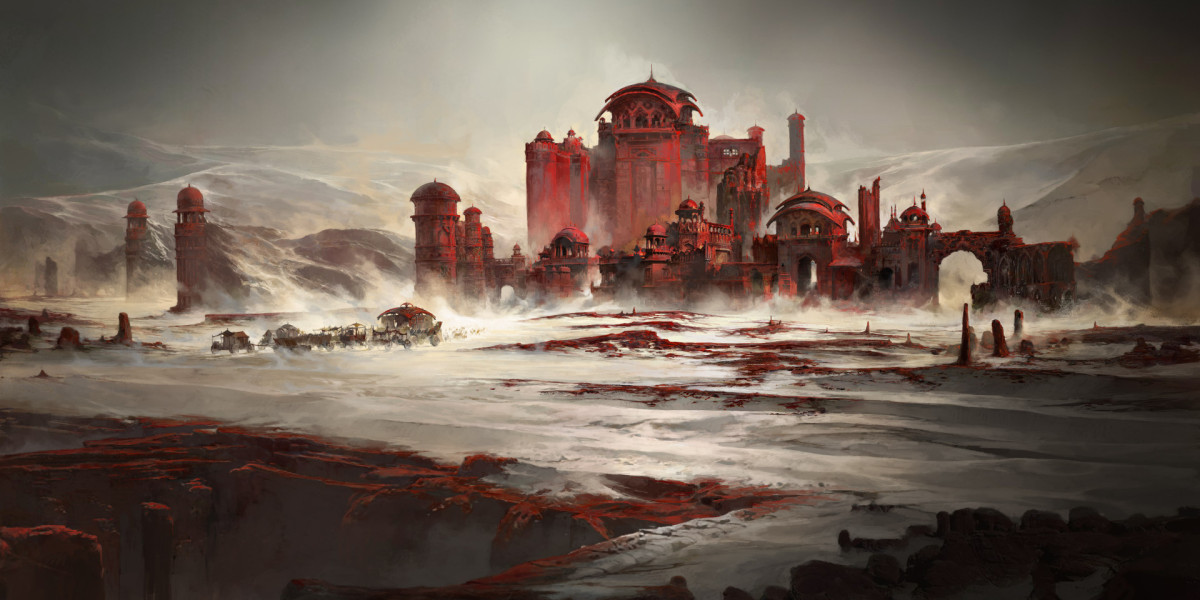

Path of Exile 2's Forbidden Rites endgame gives Atlas planning a sharper purpose: Abyss is no longer just a side activity, but a route-building opportunity for players who can manage dangerous encounters and variable rewards. A sensible supply of POE 2 Orbs can also help cover map costs, crafting materials, and the occasional expensive preparation step.
The strongest approach is not to place every available mechanic on one Atlas. Instead, build a circuit that supports your character's clear speed, keeps Abyss access consistent, and leaves enough room to react when the map pool or market changes.
Read Abyss as the Core Objective
Start by identifying Atlas routes that offer dependable Abyss encounters rather than chasing the highest possible number of mechanics. Concentrated access is easier to evaluate, easier to repeat, and less likely to turn a map into a crowded collection of distractions. Prioritize nodes that improve encounter frequency, reward quality, or the consistency of paths leading toward valuable rewards.
Recent Hotfixes have addressed issues connected to Abyss Atlas progression and the Vessel of Kulemak encounter, so it is worth checking current patch notes before committing to a long-term route. Changes to progression behavior can alter which nodes are efficient, especially for players who have not yet reached the deeper stages of the Atlas.
Give Supporting Mechanics a Clear Job
Secondary mechanics should solve a specific problem in your Abyss plan. Fast activities can add rewards while you travel between Abyss locations, while slower encounters may be better reserved for characters with strong defenses and reliable single-target damage. The goal is not maximum activity density; it is a map that your build can complete without losing momentum.
| Character profile | Useful support | Main concern |
|---|---|---|
| Fast mapper | Compact encounters and extra monster density | Time lost on lengthy side content |
| Durable boss specialist | High-value objectives and Kulemak preparation | Lower map volume |
| Developing character | Simple reward mechanics with limited danger | Overinvesting before damage is ready |
Keep the supporting package small until you understand how it affects completion time. One mechanic that strengthens your clear pattern is usually better than several that compete for attention, especially when Abyss paths already create unpredictable movement.
Know When to Commit to a Narrow Route
Specialization becomes attractive when your character can clear the selected map tier quickly, survive sudden monster surges, and handle the final encounter without repeated retreats. Before that point, a flexible Atlas is safer. It lets you gather resources, test different layouts, and avoid spending valuable materials on maps that expose your weak defenses.
Specialize when completion is consistent across several map layouts.
Keep a broader route when recovery costs are hurting your returns.
Shift focus when market demand changes the value of Abyss rewards.
A narrow route also makes mistakes more visible. If profits fall, you can identify whether the issue is map speed, encounter difficulty, reward quality, or preparation expense instead of guessing across a dozen unrelated mechanics.
Price the Map Before Opening It
Map value depends on more than the final reward. Include the cost of the map, Atlas materials, consumables, expected repair or recovery expenses, and the time required to finish the route. A dangerous map with impressive theoretical rewards may be inferior to a simpler map that your build completes twice as quickly.
Use a short trial period to record completion time, deaths, Abyss rewards, and notable drops. After several runs, compare the average result rather than judging one lucky map. This method also shows when it is sensible to upgrade map investment and when caution is the better choice.
Forbidden Rites rewards careful planning: establish a dependable Abyss route, add only mechanics that support it, and specialize after your character proves reliable. By tracking real results and using cheap POE 2 Orbs where appropriate, you can build an Atlas strategy that remains productive without turning every map into an unnecessary risk.