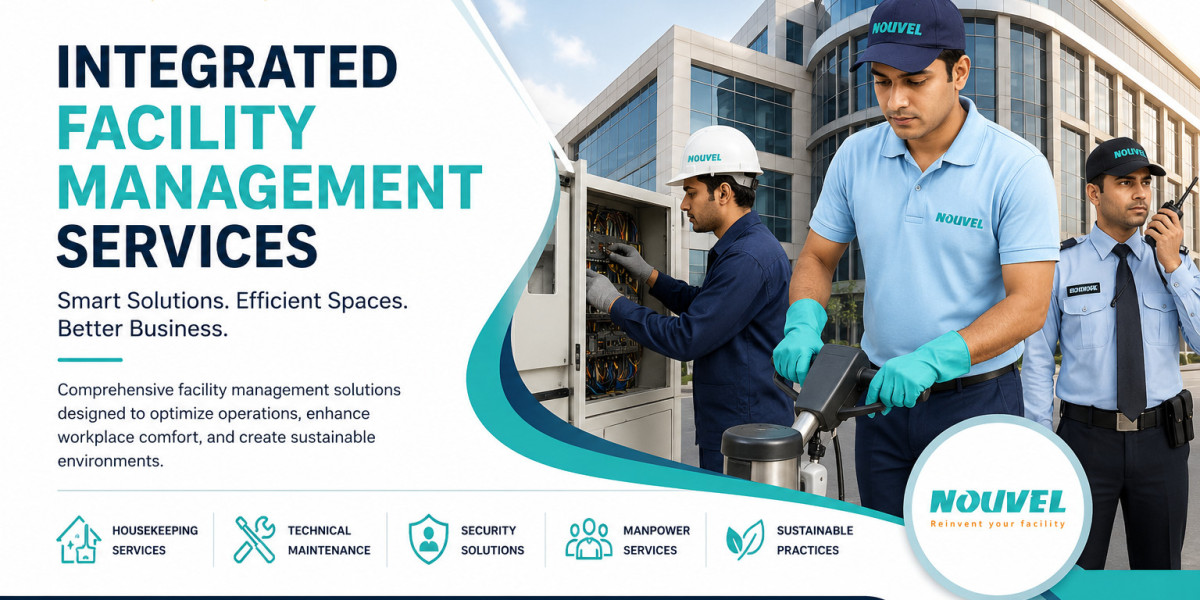

Best Integrated Facility Management Services are becoming increasingly important for Indian businesses that want to create organised, safe, productive, and well-maintained workplaces. As companies expand their operations and manage more complex facilities, handling housekeeping, security, maintenance, technical support, and workplace services separately can become difficult. An integrated approach brings these essential functions together under a coordinated management system, allowing businesses to focus more effectively on their core operations.
Modern workplaces require more than routine cleaning and basic maintenance. Employees and visitors expect professional surroundings, reliable infrastructure, hygiene, safety, and quick responses to facility-related concerns. A well-planned facility management strategy helps businesses address these expectations while supporting smoother day-to-day operations.
One of the major advantages of integrated facility management is better coordination. When different services operate under a unified framework, communication between teams becomes easier and service delivery can be monitored more effectively. This can help reduce operational gaps and ensure that important tasks are completed according to defined standards.
For businesses operating in India, flexibility is equally important. Every organisation has different requirements based on its industry, workforce, building size, location, and operating schedule. An office environment may require a strong focus on housekeeping and workplace support, while a manufacturing facility may need greater attention to technical maintenance, safety, utilities, and compliance. A suitable facility management partner can design services around these practical requirements instead of following a one-size-fits-all model.
Technology is also changing the way facilities are managed. Digital reporting, preventive maintenance schedules, attendance systems, service monitoring, and data-based performance tracking can provide greater visibility into daily operations. These tools allow facility teams and business managers to identify issues earlier, monitor service quality, and make informed decisions about their properties.
Another important consideration is workforce management. Trained and professionally managed personnel contribute significantly to the quality of facility operations. From housekeeping associates and technicians to supervisors and support staff, every team member plays a role in maintaining the workplace experience. Consistent training, supervision, communication, and performance monitoring can make a meaningful difference in service standards.
Sustainability is gaining attention across Indian businesses as well. Efficient resource usage, responsible waste management, energy conservation, and environmentally conscious workplace practices can help organisations reduce unnecessary consumption while creating healthier surroundings. Facility management can support these goals by incorporating practical sustainability measures into everyday operations.
Choosing a facility management provider should therefore involve more than comparing prices. Businesses should consider experience, workforce capability, service coverage, operational processes, technology adoption, responsiveness, and the ability to manage requirements across different locations. A dependable partner should understand the organisation's priorities and provide consistent support as those priorities evolve.
With the right approach, facility management becomes an important part of business continuity and workplace performance rather than simply an operational expense. It can help create environments where employees can work comfortably, assets are maintained responsibly, and essential services function smoothly.
For organisations looking to improve workplace efficiency through coordinated, reliable, and scalable solutions, choosing Best Integrated Facility Management Services can be a practical step toward stronger facility performance.