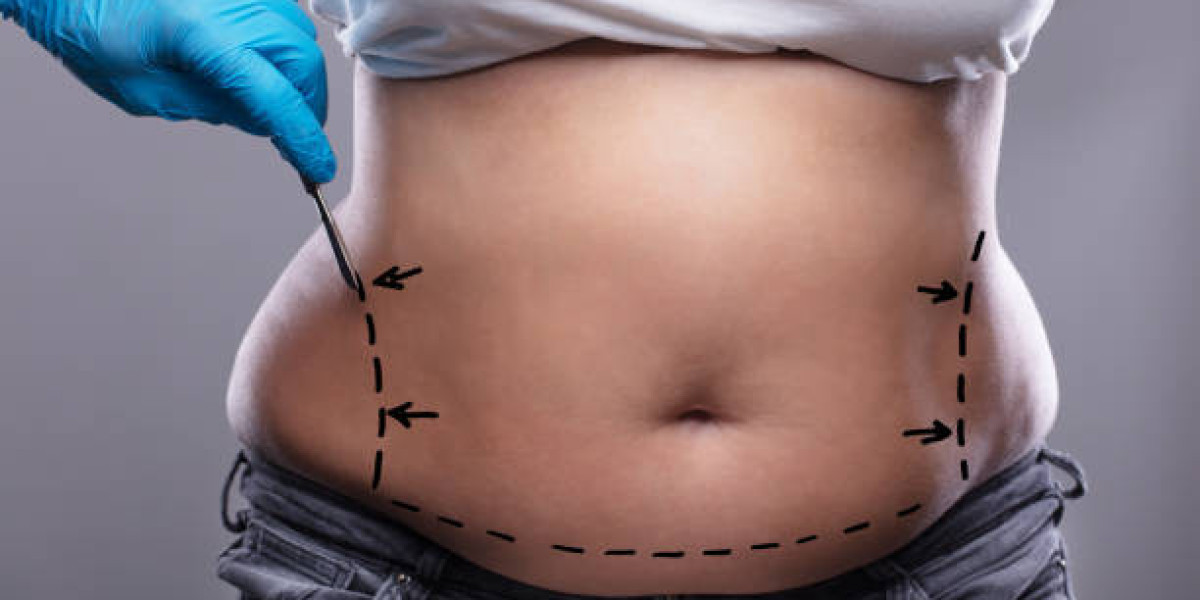

Liposuction is designed to reshape specific areas of the body by removing localized fat deposits, but it is not a permanent barrier against future weight gain. Although treated fat cells are removed during the procedure, the remaining fat cells throughout the body can still increase in size when you gain weight. If you are considering Liposuction in Riyadh (عملية شفط الدهون في الرياض), understanding how changes in your weight may influence your results can help you develop realistic expectations and make informed decisions about maintaining your new body contours.
Weight gain after Liposuction in Riyadh does not necessarily mean that the procedure has failed. However, significant or repeated weight fluctuations may affect the proportions and definition achieved through treatment. The way weight gain appears can vary depending on the areas treated, the amount of weight gained, your natural body shape, and individual factors such as skin elasticity. Maintaining a stable weight after recovery is therefore an important part of protecting your results.
How Liposuction Changes Fat Distribution
Fat Cells Are Removed From Targeted Areas
During liposuction, a surgeon removes fat cells from selected areas of the body. Because those particular cells are physically removed, the treated area may have fewer fat cells than before. This can create a more defined contour when the procedure is performed appropriately.
Remaining Fat Cells Can Still Grow
Liposuction does not remove every fat cell from the body. Fat cells remain in untreated areas and in the treated region. When your body stores additional fat, these remaining cells can enlarge, which may gradually change your overall body shape.
What Happens If You Gain Weight?
Small Weight Changes
Minor fluctuations in weight are generally less likely to dramatically alter your contours than substantial weight gain. Your body may still experience normal changes over time, but maintaining a relatively stable weight can help preserve the appearance created by liposuction.
Significant Weight Gain
Larger amounts of weight gain can make changes more noticeable. Fat may accumulate in multiple areas, including areas that were not treated. As a result, your body proportions may change even though some fat cells were removed during liposuction.
Can Fat Return to Treated Areas?
Fat Can Still Accumulate
It is a common misconception that fat can never return to an area treated with liposuction. While the removed fat cells do not grow back, remaining cells can enlarge. With substantial weight gain, fat can accumulate in previously treated areas as well as elsewhere on the body.
Body Shape May Change
The distribution of new fat is influenced by genetics, hormones, age, and individual body characteristics. This means weight gain may not occur exactly where it did before surgery. Some people may notice greater changes in untreated areas, while others may see changes across several regions.
Why Stable Weight Matters After Liposuction
Helps Preserve Body Contours
Maintaining a stable weight can help protect the contours achieved through treatment. Consistent nutrition and physical activity can reduce the likelihood of substantial weight fluctuations that may affect your appearance.
Supports Long-Term Results
Liposuction can provide long-lasting contour improvement, but the procedure works best as part of a healthy lifestyle. It should be viewed as a body-contouring treatment rather than a substitute for weight management.
How to Protect Your Results
Follow a Balanced Eating Pattern
A balanced diet can help support stable weight over time. Prioritize vegetables, fruits, whole grains, lean proteins, and appropriate sources of healthy fats while being mindful of portions and highly processed foods.
Stay Physically Active
Once your surgeon has cleared you to resume exercise, regular physical activity can support healthy weight management and overall fitness. Combining cardiovascular activity with appropriate strength exercises can help you maintain an active lifestyle.
Avoid Extreme Dieting
Repeated cycles of restrictive dieting and weight regain can make long-term weight management more difficult. Sustainable habits are generally more practical than short-term approaches that are difficult to maintain.
What If You Gain Weight After Surgery?
Don't Panic Over Temporary Changes
Weight can naturally fluctuate because of changes in hydration, diet, activity, and other everyday factors. A small increase does not automatically mean your liposuction results have been lost.
Address Ongoing Weight Gain Early
If you notice a consistent upward trend, reviewing your eating habits and activity level can help you address the change before it becomes significant. If you have concerns about changes in your body contours, discuss them with your healthcare provider.
Can Liposuction Be Repeated?
Individual Assessment Is Important
In some circumstances, additional body-contouring treatment may be considered, but this is not automatically necessary after weight gain. A qualified surgeon should assess your current body shape, skin quality, health, and expectations before recommending further treatment.
Focus on the Underlying Cause
If substantial weight gain has occurred, addressing weight management first may be more appropriate than immediately considering another procedure. Your surgeon can help determine the most suitable next step based on your individual circumstances.
Setting Realistic Expectations
Liposuction can improve the contour of targeted areas, but it does not stop the body's natural processes. Liposuction in Riyadh may help create a more sculpted appearance, while maintaining that improvement requires long-term attention to weight, nutrition, activity, and overall health. Understanding this distinction before treatment can help you approach your results with realistic expectations.
Book Your Consultation at Royal Clinic Saudia
If you are considering liposuction and want to understand how weight, body shape, and lifestyle may affect your expected results,Royal Clinic Saudia (عيادات رويال كلينك) can provide personalized guidance. Book a consultation to discuss your goals, suitability for treatment, expected outcomes, recovery, and ways to support your results over time.