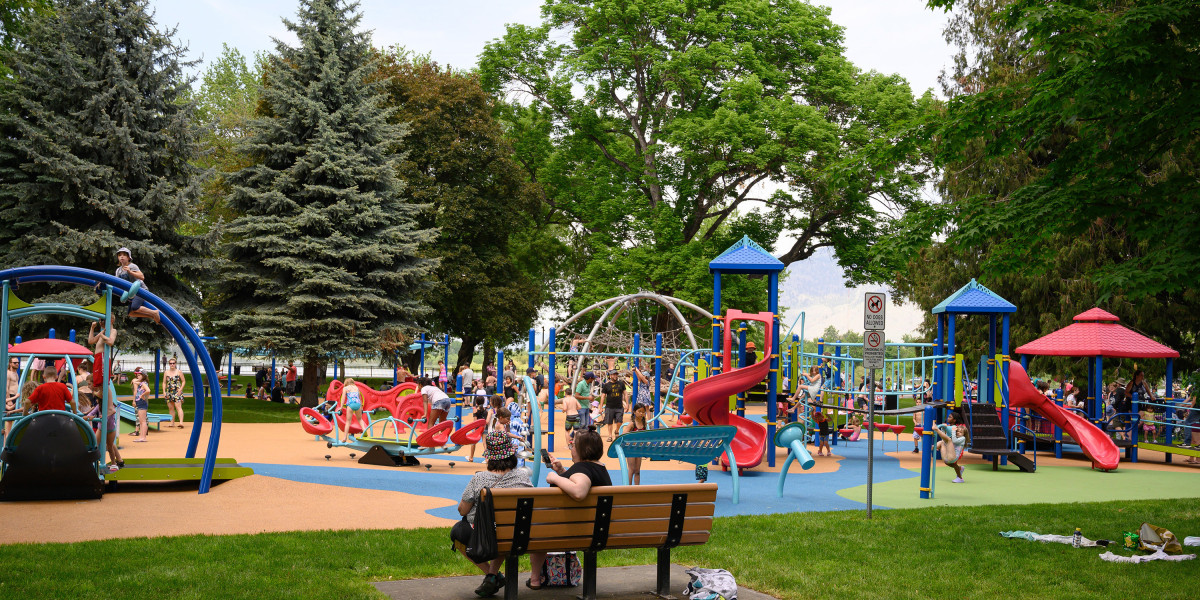

Safety and Regulatory Compliance in San Diego County
Investing in premium playground equipment san diego ca is one of the most impactful ways local municipalities, public schools, homeowners associations (HOAs), and faith-based organizations can enrich their communities.
From coastal neighborhoods like La Jolla and Encinitas to inland communities in Escondido and Chula Vista, San Diego’s year-round sunshine creates an exceptional environment for outdoor play and physical activity. However, designing a public play space in Southern California requires balancing creative, age-appropriate design with strict safety standards, marine-grade material durability, and seamless turnkey project management.
Designing a public play space requires a steadfast commitment to child safety. High-traffic commercial environments demand equipment engineered to eliminate hidden hazards while providing controlled physical challenges.
Adhering to ASTM, CPSC, and IPEMA Standards
Commercial play structures must meet rigorous national criteria to ensure structural integrity and reduce injury risks:
ASTM International (F1487): Establishes technical specifications for public play equipment, governing load capacities, structural hardware, and component spacing.
CPSC (U.S. Consumer Product Safety Commission): Outlines comprehensive layout recommendations, designated fall zones, and guidelines to eliminate head entrapment or pinch points.
IPEMA Certification: Delivers third-party verification that equipment meets or exceeds national performance standards.
Impact-Attenuating Safety Surfacing Options
Over two-thirds of playground injuries occur due to falls onto unpadded surfaces. Selecting certified safety surfacing is critical for safety compliance and risk management.
Surfacing Option | Shock Absorption | ADA Accessibility | Maintenance Level |
Pour-in-Place (PIP) Rubber | High | Superior | Low |
Synthetic Playground Turf | High | Superior | Low–Medium |
Interlocking Rubber Tiles | High | Excellent | Low |
Engineered Wood Fiber (EWF) | Moderate | Moderate | High (requires topping) |
2. Inclusive and Age-Appropriate Playground Design
Children pass through distinct physical, social, and cognitive development stages. An effective play space provides developmentally tailored challenges for specific age groups while ensuring every child—regardless of ability—can play together.
Developmental Play Solutions by Age Group
Separating equipment by age cohort prevents younger children from encountering advanced physical hurdles designed for older youth:
Early Childhood (Ages 2–5): Emphasizes lower-to-the-ground components, tactile activity panels, small slides, and gentle balance elements that foster early motor skills and cooperative play.
School-Age Youth (Ages 5–12): Features complex rope climbers, overhead link ladders, dynamic spinners, higher slides, and physical fitness circuits that test agility, strength, and spatial awareness.
Inclusive Design and ADA Compliance
Universal accessibility extends beyond minimum legal ADA ramps. Modern play environments incorporate ground-level sensory panels, adaptive swing seats, wheelchair-accessible spinners, and quieter retreat areas for neurodivergent children. Creating a barrier-free play area ensures children of all abilities can engage in social play alongside their peers.
3. Marine-Grade Materials and Climate Resilience
San Diego's coastal climate brings unique environmental factors—including intense UV exposure, marine salt air, and high humidity along coastal zones. Commercial structures must be constructed from heavy-duty, climate-resilient materials to prevent corrosion, fading, and structural degradation.
Salt Air Protection and Heavy-Gauge Hardware
Commercial structures in Southern California require specialized coatings to withstand salt spray and intense sun:
Heavy-Gauge Steel Posts: Treated with zinc-rich primers and high-durability, baked-on powder coatings to resist rust, oxidation, and coastal corrosion.
UV-Stabilized Plastics: Formulated using high-density polyethylene (HDPE) or rotationally molded plastics containing UV inhibitors to prevent cracking, warping, and fading.
Tamper-Resistant Stainless Steel Hardware: Prevents rust and hardware loosening over time.
Integrated Shade Structures
Southern California's sunny weather can heat unshaded metal and plastic surfaces quickly. Integrating commercial shade sails or integrated shade canopies over high-use play zones protects children from harmful UV rays and lowers surface temperatures, keeping equipment comfortable even during peak summer afternoon hours.
4. Turnkey Project Management and Purchasing Efficiency
Executing a playground installation involves coordinating site assessment, custom design, equipment procurement, surface installation, and certified safety inspections. Partnering with a full-service provider streamlines communication and prevents costly site errors.
Site Assessment and Custom 3D Renderings
Every site presents specific physical features, such as grading slopes, soil composition, sun angles, and property access limits. Professional playground specialists begin with a site visit and create custom 3D design renderings, allowing decision-makers to evaluate spatial layout, circulation paths, and color themes before construction begins.
Streamlined Procurement for Public and Civic Entities
Public agencies, school districts, and government entities often face strict purchasing timelines and budget guidelines. Utilizing pre-negotiated cooperative purchasing contracts—such as CMAS (California Multiple Award Schedules) or GSA programs—allows government organizations to streamline procurement, lock in competitive pricing, and meet statutory requirements without lengthy bidding cycles.
5. Maintenance Strategies and Long-Term Value Protection
A commercial playground is a significant capital investment. Instituting a clear maintenance schedule preserves long-term structural integrity and protects institutional liability.
Structured Inspection Schedules
Establishing a multi-tiered inspection protocol catches minor wear before it develops into a safety issue:
Routine Inspections (Weekly/Monthly): Visual checks to clean surface debris, verify proper loose-fill depths, inspect moving hardware, and remove sharp objects.
Comprehensive Audits (Quarterly/Annually): Thorough structural assessments performed by a Certified Playground Safety Inspector (CPSI) to verify structural fasteners, weld integrity, and impact attenuation of safety surfacing.
Protecting Capital Investments with Strong Warranties
Evaluate manufacturer warranties when selecting play structures. Premium systems offer lifetime limited warranties on main structural posts and steel clamps, paired with multi-decade warranties on plastic components and structural decks. Comprehensive warranty protection ensures long-term confidence in your site investment.
Build an Inspiring Play Environment for Your San Diego Community
Creating a vibrant, safe, and durable play area brings long-term value to parks, schools, residential communities, and commercial spaces throughout San Diego County. By prioritizing national safety compliance, inclusive equipment choices, weather-resistant materials, and turnkey implementation, you can establish an engaging recreational destination that serves children and families for decades to come.