
Introduction
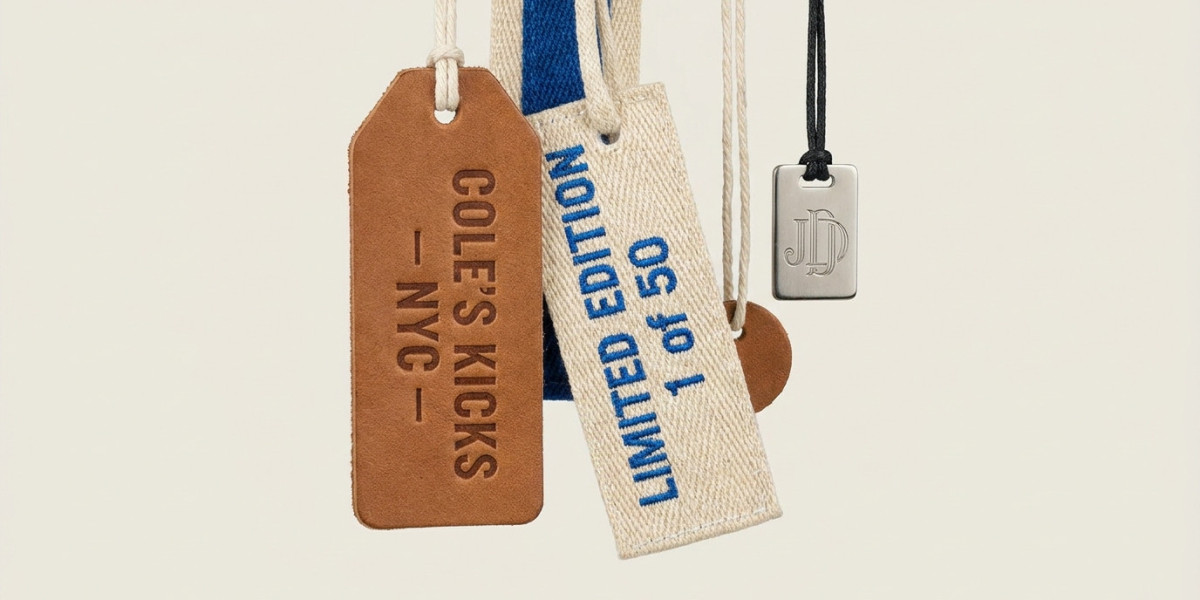
Custom shoe Tags are a useful branding and product identification solution for footwear manufacturers, retailers, designers, and independent shoe businesses. Although tags are small, they can have a noticeable effect on how footwear is presented to customers. A well-designed tag can display the brand name, logo, product information, pricing, materials, or care instructions while adding a professional touch to the overall presentation. In a competitive footwear market, these details can help businesses create a recognizable identity and give customers a more complete shopping experience.
Why Shoe Tags Matter
Custom shoe Tags wholesale can serve several purposes at the same time. They help customers identify a particular product while providing information that may be useful before purchase. Depending on the type of footwear, a tag can include the model name, size, material, manufacturing details, or brand information. For retailers, tags can also make products easier to organize and identify. When designed professionally, they make footwear look more polished and can reinforce the idea that the company pays attention to quality from production to presentation.
Building Brand Recognition
A strong brand is easier for customers to remember when its visual identity remains consistent. Shoe tags provide another opportunity for businesses to display their logo, colors, typography, and distinctive design elements. When similar branding appears on the shoes, packaging, shopping bags, website, and tags, customers receive a consistent visual message. This can help new brands establish themselves and allow established businesses to maintain a recognizable appearance. Even a simple tag can become an effective branding element when it is designed with a clear and memorable style.
Choosing the Right Material
The material of a shoe tag should suit both the footwear and the brand's image. Card tags are widely used because they are versatile and can support detailed printing. Stronger materials may be suitable for products that require additional durability during transportation or display. Businesses can also explore textured, recycled, fabric, or specialty materials to create a particular appearance. The best choice depends on factors such as the type of shoes, expected handling, budget, and desired presentation. A quality material can make the tag feel like a natural part of the product rather than an afterthought.
Attractive Tag Design
Design is one of the most important elements of an effective shoe tag. The tag should communicate information clearly while reflecting the personality of the footwear brand. A premium shoe company might prefer an elegant and minimal design, while a sports or streetwear brand may choose stronger colors and modern graphics. Important information should remain easy to read, even when the tag is relatively small. Appropriate spacing, typography, color selection, and logo placement can create a balanced appearance that catches attention without becoming confusing.
Wholesale Ordering Benefits
For footwear manufacturers and retailers handling large product quantities, wholesale shoe Tags can provide a practical and economical solution. Purchasing tags in bulk may reduce the cost per unit and help businesses maintain consistent branding throughout their product range. Wholesale orders can be useful for shoe factories, retailers, wholesalers, private-label brands, and growing footwear companies. Before placing a large order, businesses should confirm the required dimensions, material, printing method, finishing options, and delivery schedule. Ordering a sample first can help ensure that the final product meets expectations.
Product Information
A shoe tag can provide customers with useful information that may influence their purchasing decision. Depending on the product, businesses can include details about the shoe style, size, materials, country of manufacture, care instructions, or product code. Retailers may also use tags to display pricing or inventory information. Presenting these details in a clear format makes the shopping process easier and reduces the need for customers to search elsewhere for basic information. The information should remain relevant and concise so that the tag stays visually clean.
Improving Product Presentation
Presentation matters in footwear because customers often judge a product by its appearance before examining its construction or materials. A professional tag can make shoes look more carefully packaged and ready for retail display. It can also add a finishing touch to boxed or hanging footwear. For smaller brands, this can be particularly valuable because polished presentation helps products compete visually with those from larger companies. A consistent tagging system can also make an entire collection appear more organized and professionally managed.
Tags for Handmade Footwear
Handmade and artisan footwear businesses can use tags to communicate the unique qualities behind their products. A tag might mention the maker, workshop, materials, craftsmanship, or inspiration behind a particular collection. This can create a stronger emotional connection between the customer and the product. For handmade shoes, where individuality and craftsmanship are often important selling points, a thoughtfully designed tag can reinforce the brand's story and make the purchase feel more personal.
Selecting a Reliable Supplier
A reliable supplier is essential for producing consistent custom hang tags. Businesses should evaluate material quality, printing accuracy, customization options, order quantities, turnaround times, and overall pricing. It is also helpful to request samples before committing to a large order. A sample provides an opportunity to check the tag's size, colors, texture, attachment method, and readability. Clear communication about artwork and specifications can prevent mistakes and ensure that every batch matches the intended brand design.
Long-Term Branding Value
The value of a shoe tag extends beyond the initial sale. A recognizable tag can help customers remember the brand and identify the product later. If the tag contains a website, social media handle, or brand name, it may also encourage customers to learn more about the business. Consistent tags across different collections can strengthen brand recognition over time. Because footwear is often purchased as part of a customer's personal style, a professional presentation can contribute to the overall perception of the brand and its products.
Conclusion
Custom shoe Tags provide footwear businesses with an effective way to combine branding, product information, and professional presentation. From selecting the right material to creating an attractive design, each detail can influence how customers perceive the product. Businesses producing large quantities can benefit from wholesale shoe Tags by maintaining consistent branding while potentially reducing their per-unit costs. With a thoughtful design, useful information, and reliable production, shoe tags can become a valuable part of a footwear brand's packaging and customer experience.