
Introduction
Custom furniture Tags are an important branding and identification tool for furniture manufacturers, retailers, designers, and handmade furniture businesses. A furniture tag can provide useful product information while also giving customers a clear connection to the company behind the piece. Whether attached to a sofa, dining table, chair, cabinet, bed, or handcrafted wooden item, a well-designed tag can make the product look more professional and trustworthy. In a competitive furniture market, these small details can contribute to a stronger brand image and a better customer experience.
Why Furniture Tags Matter
Custom furniture Tags is usually a significant purchase, so customers often want to know more about the product before making a decision. A tag can display information such as the manufacturer name, product model, materials, dimensions, care instructions, or other relevant details. It can also include contact information and branding. Having this information directly associated with the furniture makes the product easier to identify and gives customers confidence that it comes from an established source. A professional tag can therefore serve both an informational and marketing purpose.
Strengthening Brand Identity
Brand identity is especially valuable for furniture businesses because customers may see similar styles from different manufacturers. A distinctive tag can help a company make its products recognizable. Businesses can incorporate their logo, preferred colors, typography, and other design elements into the tag. Using the same visual identity across furniture, packaging, catalogs, websites, and promotional materials creates consistency. Over time, customers can begin to associate a particular tag design with the quality and style of the furniture brand.
Choosing Suitable Materials
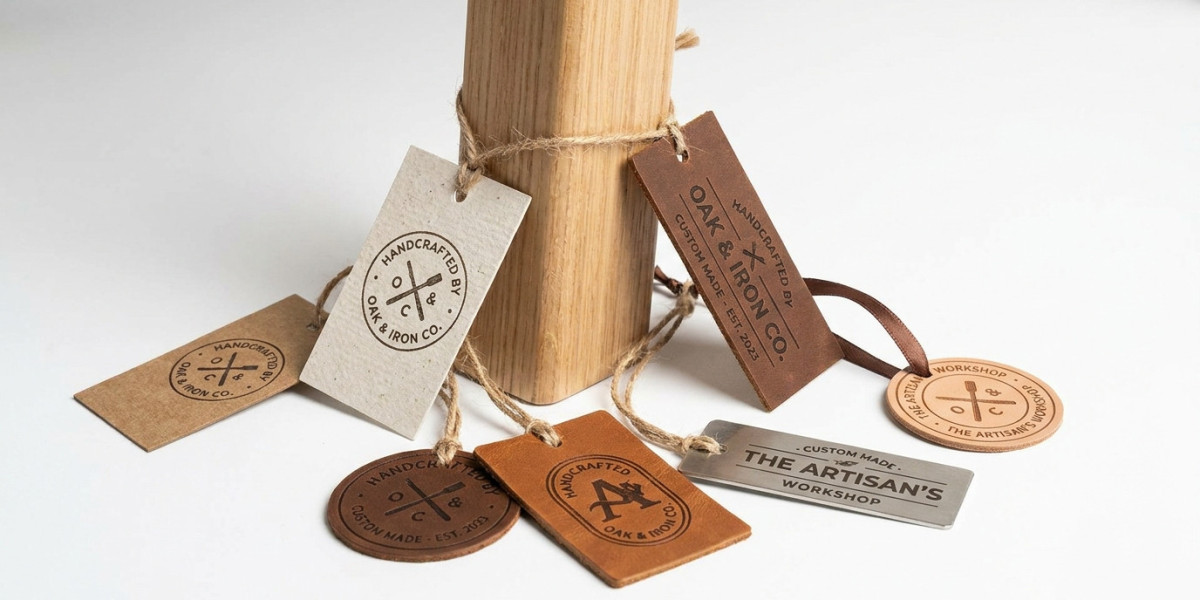
Furniture tags need to be durable because furniture is handled, transported, displayed, and used for many years. The material should therefore match the product and its environment. Options can include sturdy cardstock, synthetic materials, fabric, metal, wood, or other specialized materials. A luxury furniture company may prefer a premium finish, while a rustic furniture maker might choose a natural material that complements wooden products. The tag should be strong enough for its intended use while maintaining a clean and attractive appearance.
Designing Effective Tags
An effective furniture tag should combine attractive design with practical information. The company logo should be visible without overwhelming the rest of the content. Product details should be organized in a way that customers can understand quickly. Simple typography and appropriate spacing can make information easier to read. Businesses can also choose custom shapes, colors, finishes, and attachment methods to create a distinctive look. The design should ultimately reflect the furniture brand rather than simply adding decoration.
Wholesale Ordering Benefits
For manufacturers and retailers producing or selling furniture at a larger scale, wholesale Custom furniture Tags can provide a convenient way to maintain consistent branding. Buying in bulk may reduce the cost per tag and make regular product labeling easier to manage. Wholesale orders can be especially useful for furniture factories, retail chains, interior design businesses, and growing furniture brands. Before ordering a large quantity, businesses should confirm dimensions, materials, printing quality, attachment requirements, and production timelines to ensure the tags are suitable for their products.
Product Information
Furniture tags can provide customers with valuable product information at the point of purchase. Depending on the type of furniture, a tag may include the product name, collection, model number, material details, dimensions, manufacturing information, or care recommendations. Including relevant information can reduce customer confusion and make it easier for retailers to organize their inventory. For custom or handmade furniture, the tag can also communicate details about craftsmanship or materials, helping customers understand what makes the product special.
Improving Customer Experience
Small details can have a noticeable effect on how customers perceive a furniture business. A neat and informative tag can make a product feel more carefully produced and professionally presented. Customers appreciate being able to identify the manufacturer and access basic product information without searching through separate documents. A well-positioned tag can also remain useful after purchase, particularly when it includes care instructions or a model reference. This combination of convenience and presentation can contribute to a more positive buying experience.
Tags for Handmade Furniture
Handmade furniture often has a unique story behind it, and a custom tag can help communicate that story. Craftspeople can use tags to mention the workshop, materials, collection name, or design philosophy. This personal touch can make customers feel more connected to the product and its maker. For artisan furniture brands, a carefully designed tag can reinforce the handcrafted nature of the item while distinguishing it from mass-produced alternatives. The result is a product presentation that feels authentic and intentional.
Selecting a Reliable Supplier
Choosing a dependable supplier is essential when producing furniture tags. Businesses should consider material quality, customization options, printing accuracy, minimum order quantities, pricing, and delivery times. Requesting a sample before placing a large order can be helpful because it allows the business to check the tag's size, color, durability, and overall appearance. Clear communication about artwork and specifications can also reduce production errors. A reliable supplier should be able to provide consistent quality across both small and large orders.
Long-Term Branding Value
Furniture can remain in a customer's home for many years, which gives its branding elements long-term value. A durable tag can continue identifying the manufacturer long after the original purchase. This can be particularly useful when customers want to reorder matching pieces, contact the manufacturer, or recommend the brand to others. By investing in quality custom hang tags, businesses can create a lasting connection between their products and their brand identity. The cost of a tag is relatively small compared with the overall value of a furniture product.
Conclusion
Custom furniture Tags offer furniture businesses a practical and professional way to identify products, share important information, and strengthen brand recognition. From material selection and creative design to bulk ordering and product details, each element can be adapted to suit the needs of a particular business. For manufacturers and retailers handling larger quantities, wholesale Custom furniture Tags can also provide consistency and potential cost advantages. With thoughtful design and durable materials, furniture tags can become a small but valuable part of product presentation and long-term customer recognition.