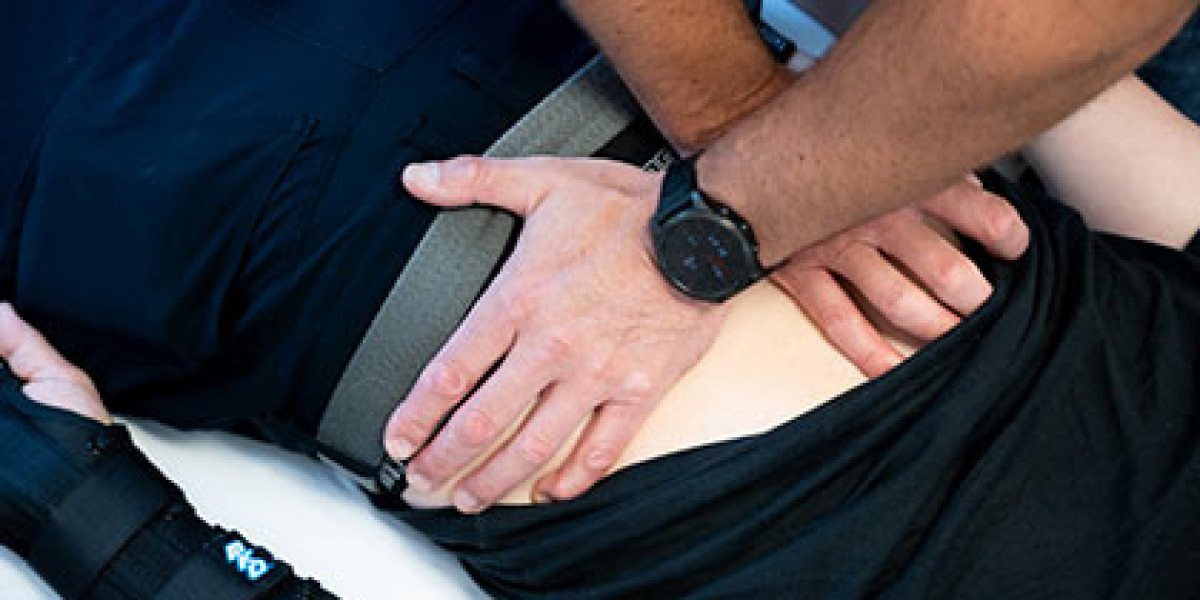

Balance is essential for many everyday activities. Walking through the home, getting out of bed, climbing stairs, reaching for something, or enjoying a walk outside all require the body to stay stable and coordinated. When balance changes, even familiar activities can become more difficult.
Balance therapy in Orleans ON can help people improve stability, strength, coordination, and control during movement. Physiotherapy can also be useful after surgery, when weakness, stiffness, reduced activity, or changes in movement may affect a person's ability to return to normal routines.
The best approach depends on the individual. A physiotherapist can assess movement and create a treatment plan based on current abilities, recovery needs, and personal goals.
Understanding Balance Problems
Balance is not simply the ability to stand still. It involves controlling the body while standing, walking, turning, reaching, sitting, and changing positions.
Several physical factors can affect balance. Muscle weakness may make it harder to remain stable, while limited flexibility can affect movement. An injury can also cause a person to change the way they walk or use one side of the body.
Reduced physical activity may contribute to weakness as well. After a period of inactivity, everyday movements can require more effort than they did previously.
Common Signs of Reduced Balance
Balance concerns can appear in different ways. Some people may feel unsteady when walking, while others may notice difficulty when turning or stepping onto an uneven surface.
Common signs include:
- Feeling unsteady when standing or walking, difficulty getting up from a chair, trouble using stairs, or feeling less confident while moving around.
- Changes in walking after an injury or surgery, lower body weakness, difficulty changing direction, or needing extra support during everyday activities.
New or unexplained balance problems should be discussed with an appropriate healthcare professional because different conditions can produce similar symptoms.
What Is Balance Therapy?
Balance therapy is a type of physiotherapy that focuses on improving stability and movement control. Treatment is usually tailored to the person's current abilities.
A physiotherapist may assess walking, lower body strength, flexibility, coordination, posture, and functional movement. This information can help determine which exercises are appropriate.
The aim is to help the person develop better control during movements that matter in everyday life.
Strengthening the Lower Body
The legs and hips play an important role in stability. When these muscles are weak, standing, walking, climbing stairs, and getting out of a chair can become more challenging.
A physiotherapist may recommend strengthening exercises that match the person's ability. The exercises can become more challenging as strength improves.
Improving Coordination
Balance also requires coordination. The body needs to control movements smoothly when stepping, turning, reaching, or changing position.
Therapy may include controlled movements that allow the person to practice coordination in a safe and structured setting.
Practicing Functional Movement
Balance exercises can be connected to everyday activities. Depending on the individual's needs, therapy may include standing from a chair, walking in different directions, stepping over small obstacles, or practicing controlled turns.
This can make treatment more relevant to the person's daily routine.
Who May Benefit From Balance Therapy?
Balance therapy may be considered by people experiencing reduced stability after an injury, surgery, prolonged inactivity, or changes in physical strength.
It may also be useful for people who have become less confident with movement. Avoiding normal activities because of feeling unsteady can sometimes lead to less physical activity and further weakness.
A professional assessment can help determine whether physiotherapy is suitable and what type of treatment may be helpful.
Post Operative Physiotherapy in Orleans: Supporting Recovery
Surgery is often an important part of treating a physical problem, but recovery continues after the procedure. Depending on the operation, a person may experience stiffness, weakness, reduced mobility, or changes in normal movement.
Post Operative Physiotherapy in Orleans can support the rehabilitation process by helping patients gradually work toward better mobility, strength, and function.
Treatment should always take the type of surgery and medical recommendations into account. The timing, exercises, and activity level can vary significantly between patients.
What Does Post Operative Physiotherapy Involve?
Rehabilitation usually changes as the body heals. Early treatment may focus on basic movement, while later stages can involve strengthening and more functional activities.
Early Stage Rehabilitation
Early recovery may involve gentle movement and basic activities when medically appropriate. The physiotherapist can provide guidance based on the surgeon's recommendations and the patient's condition.
The focus is generally on appropriate movement without placing unnecessary stress on the healing area.
Patients should follow any restrictions regarding weight bearing, movement, exercise, or activity provided by their healthcare team.
Restoring Strength
Muscle weakness is common after periods of reduced activity. Depending on the surgery, weakness may affect walking, standing, lifting, or other daily activities.
Once strengthening is appropriate, exercises can gradually rebuild muscle function. The level of resistance and difficulty should be adjusted according to recovery.
Restoring Mobility
Stiffness can make normal movement more difficult after surgery. Appropriate mobility exercises may be introduced when they are considered safe for the specific procedure.
Improving mobility can support daily activities and help the person progress toward their individual recovery goals.
Returning to Everyday Activities
Successful rehabilitation is about more than completing exercises. Most people have practical goals they want to achieve.
They may want to walk comfortably, return to work, manage household responsibilities, use stairs, exercise, or get back to recreational activities.
A physiotherapist can help divide larger goals into manageable steps. This allows progress to be monitored and treatment to be adjusted as the person's abilities change.
Why Recovery Should Be Gradual
It is normal to feel eager to return to regular activities when symptoms begin to improve. However, the body may still be healing even when movement feels easier.
A gradual approach can help ensure that activity matches the current stage of recovery. Patients should follow the instructions provided by their surgeon, physiotherapist, and other healthcare professionals.
Unexpected or severe symptoms should be discussed with the appropriate healthcare provider.
The Connection Between Balance and Post Surgical Recovery
Balance training can sometimes become part of post surgical rehabilitation. This may be particularly relevant when surgery affects the lower body or changes the way a person walks.
For example, weakness after surgery may make standing less stable. A change in walking patterns may also affect confidence during movement.
When medically appropriate, rehabilitation can progress from basic strength and mobility exercises to controlled standing, walking, and balance activities.
The timing and type of balance training should be determined according to the individual's recovery and medical recommendations.
Why Individualized Treatment Is Important
Every patient has different needs. Two people who have undergone similar procedures may recover at different speeds and have different goals.
One person may primarily want to walk comfortably, while another may need to regain enough strength to return to a physically demanding job or recreational activity.
An individualized physiotherapy plan can take these differences into account. Exercises can be adjusted as progress occurs, helping treatment remain appropriate throughout recovery.
Supporting Your Progress at Home
Some patients receive exercises to complete between physiotherapy appointments. Following these recommendations consistently can support the work completed during treatment.
However, home exercises should be performed as instructed. After surgery, patients should not make major changes to their exercise routine without suitable professional guidance.
Rest is also an important part of many recovery plans. Finding the right balance between appropriate activity and recovery time can help support steady progress.
When Should You Seek Physiotherapy?
You may want to consider a physiotherapy assessment if balance concerns are affecting everyday movement, walking, stairs, or confidence.
Physiotherapy may also be appropriate if you are recovering from surgery and are having difficulty regaining normal strength, mobility, or function.
If you have recently undergone an operation, ask your surgeon or healthcare provider when physiotherapy should begin and which activities are appropriate.
Building Long Term Movement Confidence
Improving balance and recovering after surgery often takes time. Progress may happen gradually rather than all at once.
Small improvements can still be meaningful. Standing more comfortably, walking with greater control, using stairs more confidently, or completing an everyday task more easily can all represent progress.
A consistent rehabilitation plan can provide structure while allowing treatment to change as the person's needs evolve.
Conclusion
Good balance and mobility can make everyday life easier and support greater independence. Balance therapy in Orleans ON can help address concerns involving stability, strength, coordination, and movement control. Post Operative Physiotherapy in Orleans can also help people gradually restore mobility and function following surgery. With appropriate assessment, personalized exercises, and professional guidance, individuals can work toward practical recovery goals at a suitable pace. Orleans Physiotherapy can support people seeking professional care for balance concerns, mobility challenges, and post operative rehabilitation.