
A well planned yard can become one of the most enjoyable parts of a home. It can provide room for children to play, a comfortable place to relax, and an attractive setting for outdoor gatherings. However, keeping a traditional lawn healthy can require regular mowing, watering, trimming, and seasonal care.
For homeowners in Dallas County, changing weather and hot summer conditions can make lawn care even more challenging. This has encouraged many property owners to consider alternatives that provide a neat appearance while reducing some routine maintenance.
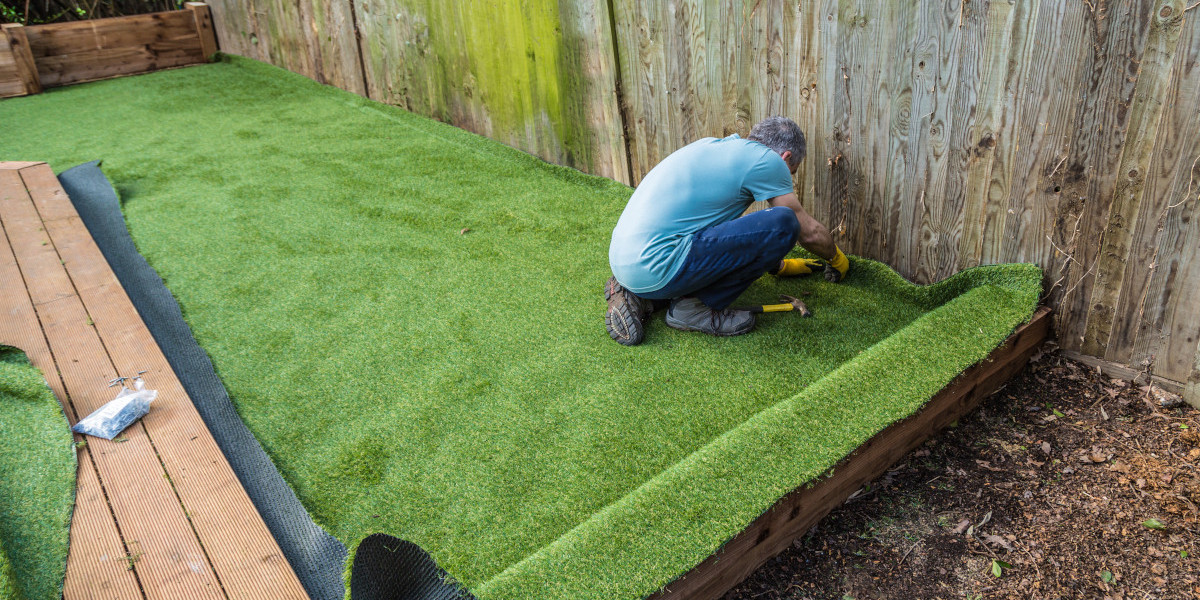
Synthetic turf is one option that can create a consistently green outdoor surface. When it is combined with thoughtful landscaping, the result can be much more than an artificial lawn. A complete plan can include trees, plants, patios, walkways, seating areas, lighting, and other features that make the property more useful.
Synthetic turf installation in Dallas County TX and custom landscape design in Dallas can work together to create an outdoor space that reflects the property's layout and the homeowner's lifestyle.
Why Outdoor Planning Matters in Dallas
Every property has its own challenges. Some yards receive strong sunlight for most of the day, while others have shaded areas created by trees or nearby structures. Some properties have natural slopes, while others may have sections where rainwater collects.
These conditions should be considered before selecting landscaping materials.
A good outdoor plan looks at how the entire property works together. Instead of deciding where to put turf or plants after construction has started, homeowners can establish a clear layout from the beginning.
This approach can help prevent unnecessary changes and make the finished space feel more organized.
Understanding Synthetic Turf Installation in Dallas County TX
Synthetic turf can provide the appearance of a green lawn without the regular mowing associated with natural grass. However, quality installation depends on proper preparation.
Evaluating the Property
The first step is understanding the existing site. The condition of the soil, current lawn, slope, drainage, irrigation, surrounding structures, and expected foot traffic can all affect the installation.
The purpose of the turf should also be considered. A space used by children may need different features than an area primarily used for pets or entertaining.
Taking time to evaluate these details can help determine the most suitable installation approach.
Preparing the Ground
The surface beneath synthetic turf is important to the final result. Existing grass and unwanted material may need to be removed before the installation area is prepared.
A suitable base is then established to create a stable foundation. Proper preparation can help the finished turf remain more even and comfortable under normal use.
This step is not always visible once the project is finished, but it can have a significant effect on how the surface performs.
Addressing Drainage
Water management should be considered before turf is installed. Dallas properties can experience heavy rainfall, so the landscape needs to handle water effectively.
Areas with poor drainage may require adjustments before the turf is placed. The appropriate solution depends on the property's existing conditions.
Addressing drainage early can help reduce the possibility of standing water and other problems after installation.
Where Synthetic Turf Can Be Used
Synthetic turf is not limited to traditional lawn replacement. It can be used in several parts of a residential property when the material and installation method are appropriate.
Common applications include:
- Front and backyard lawn areas
- Pet spaces and dog runs
- Children's play areas
- Pool surroundings
- Outdoor entertainment spaces
- Smaller areas where natural grass struggles to grow
The best application depends on the property's needs. Some homeowners may benefit from covering a large lawn, while others may prefer using turf only in specific areas.
Choosing the Right Turf for Your Yard
Not every synthetic turf product is identical. Products can differ in appearance, texture, durability, drainage characteristics, and intended use.
Homeowners should consider how much traffic the area will receive and what kind of appearance they want.
For example, a family with children may place more importance on durability and comfort. A homeowner creating a decorative garden area may care more about appearance and how the turf blends with surrounding plants.
It is also worth considering cleaning and maintenance requirements before making a final decision.
The goal should be to choose a turf product that fits the actual property rather than selecting an option based only on price or appearance.
What Is Custom Landscape Design?
Custom landscape design in Dallas provides an opportunity to plan the outdoor environment around a particular property.
Instead of treating the yard as one open area, a custom design can organize the space into functional sections. It can determine where turf, planting beds, patios, walkways, trees, and seating areas should be placed.
The design can also take the home's architecture into account. When outdoor features complement the style and structure of the house, the overall property can feel more connected.
Designing Around Your Lifestyle
A landscape should support the way homeowners actually use their property.
A family may need a safe, open area for outdoor activities. Someone who enjoys entertaining may want a spacious patio and comfortable seating. Others may want a quiet corner with plants and shade where they can read or relax.
There is no universal landscape layout. A custom plan can help make the available space work for the people who use it.
Creating Functional Outdoor Zones
Dividing the yard into different areas can improve both appearance and functionality.
For example, a synthetic turf area can serve as an open lawn, while a nearby patio can provide space for outdoor meals. Planting beds can separate these areas without making the yard feel closed in.
Walkways can connect the main sections and provide a natural route through the property.
This type of organization can make even a smaller yard feel more useful.
Combining Synthetic Turf With Plants
Synthetic turf does not need to replace natural landscaping. Combining it with plants and other materials can create a more attractive and balanced outdoor environment.
Trees can add height and shade, while shrubs can provide structure around the edges of the property. Flowers can introduce seasonal color, and decorative materials can create contrast.
A landscape that combines different textures often feels more natural than one that uses the same material throughout the entire yard.
Think About Plant Growth
Plant selection should account for future growth. A tree or shrub may look small when first installed, but its size can change considerably over time.
Plants should have enough room to grow without blocking pathways, crowding other plants, or interfering with structures.
Considering mature plant size during the design stage can make future maintenance easier.
Consider Sunlight and Weather
Dallas weather can influence how an outdoor space performs. Strong sunlight can affect plants, seating areas, and outdoor materials.
Sun exposure should therefore be considered when deciding where to place different landscape features.
A shaded seating area may be more comfortable during hot weather. Plants should also be selected based on the amount of sunlight they are likely to receive.
Rainfall is another important factor. Proper grading and drainage planning can help water move away from areas where it could create problems.
Building a Lower Maintenance Yard
Many homeowners choose synthetic turf because they want to reduce routine lawn care. Artificial grass does not require regular mowing, although it still needs occasional cleaning and attention.
The rest of the landscape should also be planned with maintenance in mind.
Choosing appropriate plants, allowing enough space between them, and providing easy access to different areas can make routine care simpler.
It is important to remember that low maintenance does not mean maintenance free. Trees, shrubs, flowers, and other living elements still require care, while synthetic turf should be kept clean and checked periodically.
Mistakes to Avoid During a Landscaping Project
Good planning can prevent many common landscaping problems. One mistake is focusing entirely on the appearance of a turf product without considering drainage or ground preparation.
Another is choosing plants without considering their mature size or the amount of sunlight they need.
Homeowners can also make the mistake of adding too many features. A yard does not need to contain every possible landscaping element to look impressive. A simple design with carefully selected features can be more attractive and easier to use.
Before beginning the project, homeowners should discuss:
- The purpose of each outdoor area
- Turf material and installation requirements
- Ground preparation and drainage
- Plant selection and expected growth
- Placement of patios, pathways, and other features
- Project scope, costs, schedule, and warranty details
Clear communication can make it easier to understand what the finished project will include.
Why Professional Planning Is Valuable
A landscape is a long term investment, so decisions made during the planning stage can have lasting effects.
Professional landscape planning can help identify site conditions that may not be immediately obvious. It can also help coordinate different elements so they work together.
For example, turf can be positioned to create an open area, while planting beds can frame it. A patio can connect to a walkway, and trees can be positioned where they provide useful shade without interfering with the home's structure.
This creates a landscape that feels intentional rather than a collection of separate features.
Making the Most of Your Outdoor Space
The size of a yard does not determine how useful it can be. Good planning can make a significant difference.
A smaller property may benefit from a simple turf area, compact patio, and carefully selected plants. A larger property may allow for multiple outdoor zones, larger planting areas, and dedicated entertainment spaces.
The important thing is to match the design to the property instead of trying to copy another home's landscape.
Conclusion
A thoughtfully designed yard can improve the appearance, comfort, and functionality of a Dallas property. Synthetic turf installation in Dallas County TX can provide a consistently green surface with less routine lawn work, while custom landscape design in Dallas can connect that surface with plants, patios, walkways, trees, and outdoor living features.
When these elements are planned together, homeowners can create an outdoor space that feels comfortable, attractive, and practical for everyday use. Prestige Landscape can help homeowners bring these ideas together with landscaping solutions designed around their property, outdoor goals, and preferred style.