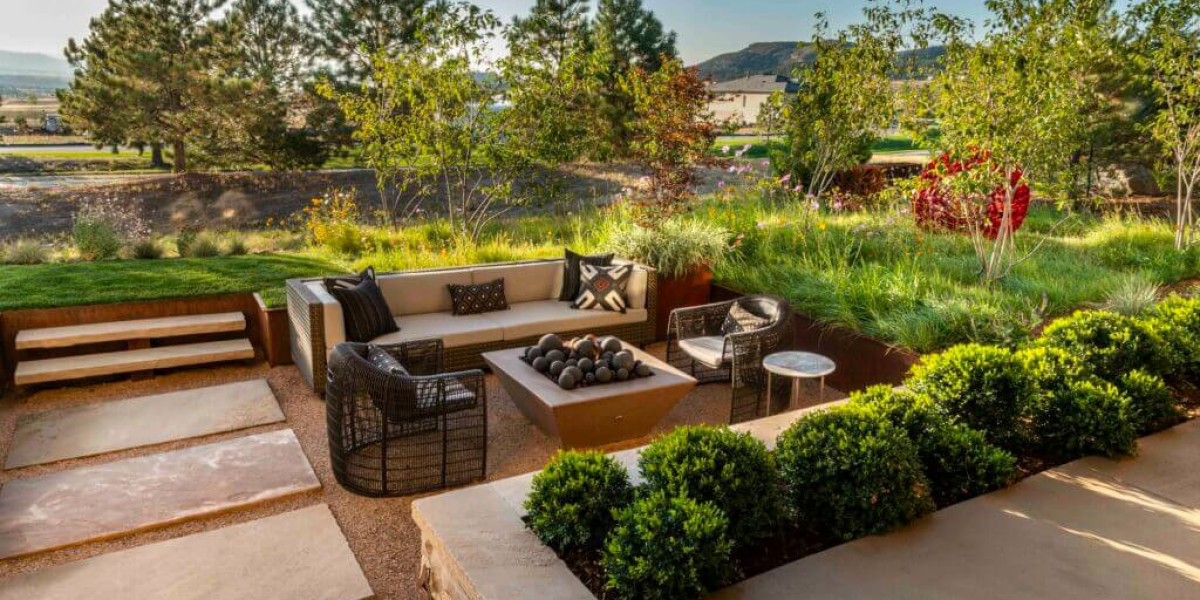

Planning an outdoor renovation requires more than choosing a design you like and estimating the price of plants or patio materials. The total cost of landscape construction can be influenced by the property's size, existing conditions, design complexity, drainage needs, materials, labor, and the features included in the final plan. Understanding these factors before work begins can make budgeting more realistic and help prevent unexpected expenses. A thoughtful budget also allows homeowners to prioritize improvements without sacrificing the overall quality of the project.
Every property presents a different set of construction challenges. A relatively level yard with good soil may require less preparation than a sloped property with drainage concerns, compacted ground, or difficult access. Likewise, a simple planting project will have very different costs from a complete outdoor renovation involving retaining walls, patios, lighting, irrigation, and an outdoor kitchen. For this reason, landscape construction should be evaluated on the specific requirements of the site rather than through a one-size-fits-all price.
Design and Planning Costs
The design phase is one of the first factors to consider when establishing a landscaping budget. A professional plan can identify the location of patios, walkways, planting beds, drainage systems, lighting, trees, and other features before construction begins. More detailed projects may require site measurements, concept plans, planting plans, grading plans, or construction drawings. Investing in thoughtful planning can help reduce design changes and construction conflicts once physical work begins.
Landscape architecture design services can be particularly valuable for larger or more complex properties. Professionals can evaluate how outdoor areas relate to the home, property boundaries, existing vegetation, elevations, drainage, and intended use. They can also help balance aesthetics with practical considerations such as accessibility, maintenance, privacy, and long-term growth. Although professional design represents an upfront expense, a well-developed plan can help homeowners make informed decisions and avoid costly mistakes during construction.
Site Preparation and Grading Expenses
Site preparation can have a significant impact on the final cost of a project because contractors must work with the property's existing conditions. Removing old landscaping, excavating soil, clearing unwanted vegetation, relocating existing features, or preparing compacted ground can all require additional labor and equipment. Properties with limited access may also increase labor requirements because machinery and materials cannot be moved easily. Evaluating these conditions early gives homeowners a better understanding of the work involved.
Grading is another important cost factor, particularly on properties with slopes or drainage problems. The process may involve cutting and filling soil, transporting material, compacting specific areas, and establishing appropriate elevations. The goal is to create stable surfaces and direct water where it can be managed safely. If significant grading is required, equipment, labor, soil removal, or imported fill can increase the project's overall budget.
Drainage and Water Management
Drainage should be included in the budget from the beginning rather than added after construction problems appear. Standing water, erosion, saturated planting beds, and runoff can damage landscaping and affect hardscape features if they are not addressed properly. Depending on site conditions, a project may require grading improvements, drainage pipes, catch basins, channel drains, swales, or other water-management solutions. The complexity of the system depends on the amount and direction of water moving across the property.
Drainage materials and installation methods can also affect project costs. A simple grading adjustment may be relatively straightforward, while a property with significant runoff may require a more extensive underground system. Soil conditions are another consideration because some soils absorb water more slowly than others. A professional site assessment can help determine whether drainage improvements are necessary and which approach is appropriate for the property.
Hardscaping and Material Selection
Hardscaping is often one of the largest components of a landscape construction budget. Patios, walkways, retaining walls, outdoor steps, fire features, seating areas, and other structures require materials as well as excavation, base preparation, installation, and finishing. Concrete, brick, natural stone, porcelain, and manufactured pavers can vary significantly in material and installation costs. The size and complexity of the proposed feature will also influence the overall investment.
Material selection should consider more than the initial purchase price. Durability, maintenance, appearance, availability, installation requirements, and expected lifespan can all affect long-term value. A premium material may make sense for a highly visible or frequently used patio, while a more economical option could be suitable for another area. Discussing these trade-offs with an experienced professional can help homeowners allocate their budgets where quality and performance matter most.
Plants, Soil, and Irrigation
Planting costs include more than the price of individual plants. Trees, shrubs, flowers, ornamental grasses, ground covers, turf, soil amendments, mulch, edging, and installation labor can all contribute to the final amount. Larger or mature plants generally require greater investment, but they can provide immediate visual impact. The appropriate selection should also account for mature size, sunlight, soil conditions, moisture requirements, climate, and expected maintenance.
Irrigation can add another layer to the budget, particularly when an entire property requires a new system. Efficient irrigation may include zones, controllers, valves, drip lines, sprinklers, or other components depending on the landscape. The system should be designed around the water requirements of different planting areas rather than treating every part of the property identically. Proper planning can improve plant health and help avoid unnecessary water use over time.
Outdoor Living Features and Additional Construction
Modern landscape projects often extend beyond traditional planting and lawn installation. Homeowners may include outdoor kitchens, pergolas, patios, fireplaces, fire pits, built-in seating, lighting, water features, privacy structures, or entertainment areas. Each addition introduces its own materials, labor, preparation, and sometimes electrical or utility requirements. Combining several features into one project can create a highly functional outdoor environment, but it also requires more detailed planning and coordination.
Utility work can become an important budgeting consideration when outdoor living features are involved. An outdoor kitchen may require connections for gas, water, drainage, and electricity, while lighting and entertainment systems may require additional electrical planning. Local requirements may also affect certain installations. Discussing these needs during the design stage helps prevent homeowners from discovering additional infrastructure costs after construction is already underway.
Labor, Equipment, and Project Complexity
Labor is a major part of nearly every landscape construction project. The number of workers required, project duration, specialized skills, and difficulty of the site can all influence labor costs. Heavy excavation, retaining-wall construction, intricate masonry, drainage installation, or detailed stonework may require specialized experience. Projects with difficult access can take longer because materials and equipment must be moved manually or through restricted areas.
Equipment can also influence the budget. Excavators, skid steers, compactors, trenching equipment, hauling vehicles, and other machinery may be necessary depending on the project's scope. Equipment requirements are generally influenced by the amount of excavation, grading, demolition, material handling, and site preparation involved. A detailed estimate should account for these requirements so homeowners can understand what contributes to the total construction cost.
Building a Realistic Landscape Budget
A realistic budget should begin with priorities rather than attempting to include every possible feature at once. Homeowners can separate desired improvements into essential, preferred, and optional categories. Drainage, grading, structural repairs, and proper foundations should generally receive priority because they affect the performance of everything installed afterward. Decorative upgrades can often be adjusted based on the remaining budget without compromising the fundamental quality of the project.
It is also wise to include a contingency amount for unforeseen site conditions. Existing underground obstacles, unsuitable soil, hidden drainage issues, material availability, or necessary design adjustments can sometimes affect construction costs. A contingency does not mean that problems are expected; it provides financial flexibility if conditions differ from what was visible during the initial assessment. Clear contracts and detailed estimates can further reduce confusion about what is included in the project's scope.
Choosing Value Over the Lowest Price
The lowest construction estimate is not always the best financial decision. A proposal that uses inadequate base preparation, inexpensive materials, or limited drainage work may initially appear attractive but could lead to repairs and additional expenses later. Homeowners should compare estimates based on the complete scope of work, construction methods, material quality, warranties where applicable, and contractor experience. Looking at long-term performance provides a better measure of value than comparing only the initial price.
Experienced professionals should be able to explain how the proposed budget relates to the property's conditions and the project's goals. Homeowners can ask about preparation methods, material specifications, drainage, maintenance requirements, project timelines, and potential additional costs. Clear communication helps establish realistic expectations before work begins. When design, construction quality, and budget planning are coordinated from the start, the result can provide lasting value rather than simply a lower initial price.
Planning for Long-Term Value
A well-planned landscape construction project should be viewed as a long-term investment in the property's functionality, appearance, and enjoyment. The most important budgeting decisions often involve elements that are not immediately visible, including grading, drainage, soil preparation, structural foundations, and proper installation. Once these fundamentals are handled correctly, homeowners can invest in plants, hardscaping, lighting, and outdoor living features with greater confidence.
Ultimately, the right budget depends on the property's existing condition, the project's scope, material selections, labor requirements, and the level of customization desired. Professional planning through landscape architecture design services can help establish realistic priorities before construction begins. By understanding the major cost factors, allowing room for unexpected conditions, and focusing on quality where it matters most, homeowners can create an outdoor environment that delivers lasting beauty, function, and value.