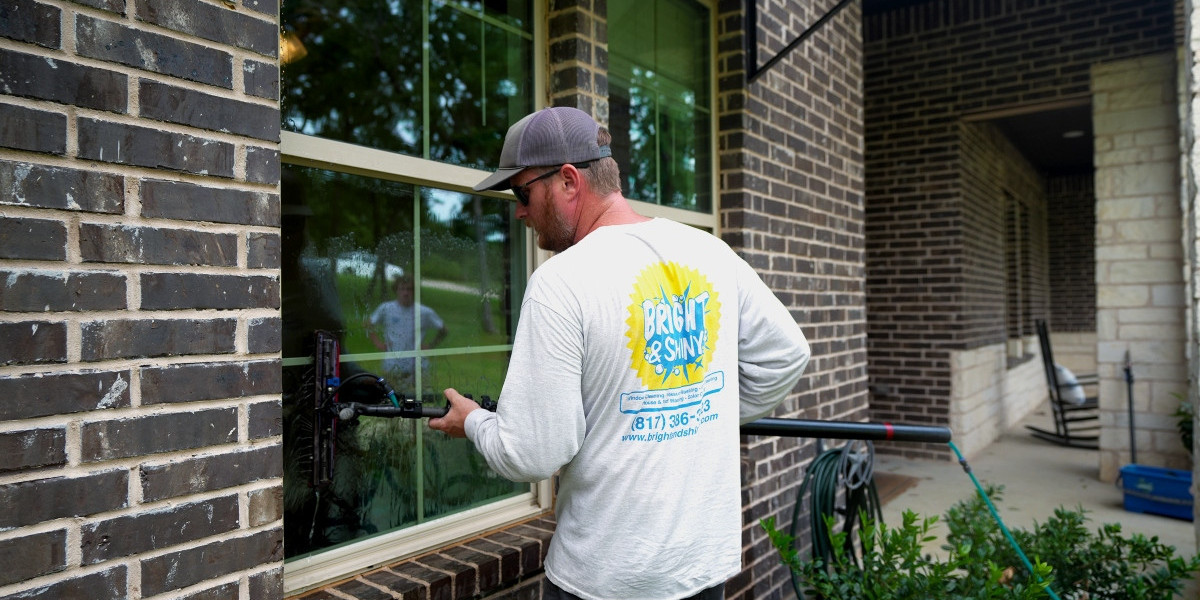

A restaurant's appearance can say a lot before a customer ever takes a seat. Clean tables, fresh floors, an organized entrance, and clear windows all contribute to a welcoming environment. While windows may not be the first thing restaurant owners think about, dirty glass can quickly become noticeable. Fingerprints, dust, grease, streaks, and water spots can make a well maintained restaurant look less appealing.
This is why restaurant window cleaning should be part of regular property maintenance. A consistent cleaning routine helps keep storefront glass, entrance doors, dining room windows, and other glass surfaces looking presentable.
A window cleaning maintenance plan gives restaurant owners and managers a simple way to organize this work. Rather than waiting until windows become heavily dirty, a planned schedule can help prevent buildup and keep cleaning manageable. The ideal approach depends on customer traffic, restaurant location, weather, kitchen activity, and the condition of the glass.
Why Restaurant Window Cleaning Matters
Windows are highly visible throughout a restaurant. Customers may see the storefront from the street, touch the entrance doors, and spend time near dining room windows.
Clean glass can help a restaurant appear brighter and more inviting. It can also allow customers to see the interior more clearly from outside. This can be especially helpful for restaurants that depend on storefront visibility to attract people passing by.
Dirty windows can create the opposite impression. Fingerprints around an entrance, streaks across a storefront, or grease buildup near kitchen areas can make the property appear less maintained.
Regular cleaning helps maintain a consistent appearance and prevents small amounts of dirt from becoming difficult buildup.
Common Causes of Dirty Restaurant Windows
Restaurant windows can become dirty for many different reasons. Understanding where the dirt comes from can help managers create a more effective maintenance routine.
Fingerprints and Smudges
Glass doors are touched repeatedly throughout the day. Customers, employees, delivery workers, and vendors may all use the same entrance.
As a result, fingerprints can quickly become visible, particularly when sunlight or bright indoor lighting reflects off the glass.
Entrance doors should be inspected regularly because they can become noticeably dirty even when other windows still look clean.
Grease and Cooking Residue
Restaurants also have to deal with cooking related residue. Windows located near kitchens, food preparation areas, or exhaust outlets may collect airborne grease.
Grease can create a dull film that is more difficult to remove than ordinary dust. Regular cleaning can help prevent this residue from becoming thick and stubborn.
Dust and Outdoor Debris
Exterior windows are exposed to wind, rain, pollen, dust, and other outdoor particles. Restaurants located near busy streets may experience additional dirt from traffic and surrounding activity.
Weather can also affect how quickly exterior glass becomes dirty. Rain may leave spots after drying, while dry and windy conditions can increase dust buildup.
How Often Should Restaurant Windows Be Cleaned?
The ideal frequency depends on the restaurant. There is no universal schedule that will work equally well for every location.
A busy restaurant with high customer traffic and a prominent storefront may require professional cleaning every week or two. A smaller restaurant with less traffic may find that monthly service is enough.
The most important factor is the actual condition of the glass. If windows consistently look dirty before the next scheduled service, the frequency may need to be increased.
Factors That Influence Cleaning Frequency
When developing a cleaning schedule, restaurant managers should consider:
- Customer traffic, storefront visibility, weather, location, kitchen activity, nearby roads, and the amount of dirt that normally collects on the glass. High touch surfaces and customer facing windows usually need more frequent attention.
- The appearance of the glass between professional visits. Fingerprints, streaks, water spots, grease film, dust, and cloudy areas can indicate that the current cleaning schedule is not frequent enough.
How to Build a Window Cleaning Maintenance Plan
A window cleaning maintenance plan should be simple, realistic, and easy for staff and cleaning professionals to understand.
Start by identifying all glass surfaces throughout the restaurant. This includes storefront windows, entrance doors, dining room windows, display glass, interior partitions, and exterior windows.
Once these areas have been identified, divide them according to visibility, use, and cleaning requirements.
Identify High Priority Areas
Customer facing glass should generally receive the most attention.
Storefront windows and entrance doors are among the first things people see. Keeping these surfaces clean can support a more polished first impression.
Dining room windows also deserve regular attention because they are part of the customer's surroundings. Glass near kitchens and food preparation areas may need additional cleaning because of grease and residue.
Less visible windows can usually follow a different schedule, provided their condition remains acceptable.
Set a Realistic Cleaning Schedule
A maintenance plan should be practical enough to follow consistently. An overly demanding schedule may be difficult for restaurant staff to maintain.
High touch areas may need daily inspection and occasional touchups. Professional cleaning can then be scheduled weekly, biweekly, or monthly depending on the restaurant's needs.
The schedule should also account for special events, seasonal changes, and periods when customer traffic increases.
Schedule Cleaning Around Restaurant Hours
Timing is an important part of commercial window cleaning. Cleaning during a busy lunch or dinner period can interfere with customers and employees.
Whenever possible, professional service can be scheduled before opening, after closing, or during quieter operating periods. This reduces disruption and gives cleaning professionals more space to work.
Managers should also inform cleaners about restricted areas, customer traffic patterns, kitchen operations, and any surfaces that need special care.
Combine Employee Touchups With Professional Service
Professional window cleaning and routine employee touchups can work together.
Restaurant employees can often address small marks on high touch areas during the day when suitable cleaning procedures are available. This is particularly useful for entrance doors that receive frequent contact.
Professional cleaners can handle more detailed work during scheduled visits. This may include exterior glass, hard to reach windows, frames, edges, and stubborn buildup.
This approach allows small problems to be addressed quickly while professional service maintains the overall condition of the restaurant's glass.
Choose Appropriate Cleaning Methods
Not every glass surface should be cleaned in exactly the same way. Some windows may have special coatings or finishes that require careful treatment.
Using abrasive materials or unsuitable products can potentially damage glass and surrounding frames. Cleaning methods should therefore be selected according to the type and condition of the surface.
A professional cleaning team can evaluate the glass and use appropriate tools and solutions.
Do Not Ignore Frames and Edges
Clean glass can still look unfinished if the surrounding frames and edges are covered with dust or residue.
Window frames can collect dirt, moisture, and debris. Including these areas in a maintenance routine can create a more complete result.
The appropriate cleaning method will depend on the frame material and finish. Care should be taken around painted or sensitive surfaces.
Safety Is Part of Proper Window Maintenance
Restaurant window cleaning should always be planned with safety in mind. Wet floors can become slippery, while cleaning equipment, cords, ladders, and other tools can interfere with customers and employees.
Active work areas should be managed carefully, particularly during business hours. When necessary, customers should be kept away from areas where cleaning is taking place.
Hard to reach windows should be cleaned using appropriate equipment and safe working practices. Proper planning can reduce interruptions and help protect everyone around the work area.
When Should You Change Your Cleaning Schedule?
A maintenance plan should be flexible rather than permanent. Conditions around a restaurant can change throughout the year.
Nearby construction, seasonal weather, increased customer traffic, or changes in operating hours may cause windows to become dirty faster than usual.
Signs That Windows Need More Attention
Visible fingerprints, streaks, water spots, dust, grease film, cloudy glass, and residue around frames are all signs that cleaning may need to happen more often.
Entrance doors and storefront windows deserve particular attention because customers see these surfaces immediately.
If glass regularly becomes dirty before the next planned service, increasing the cleaning frequency may help maintain the desired appearance.
Keep a Simple Cleaning Record
A basic cleaning record can help restaurant managers stay organized. The record can show when professional service was completed, which areas were cleaned, and whether any problems were noticed.
Over time, these records can reveal useful patterns. For example, exterior windows may require additional attention during certain seasons, while entrance doors may need more frequent touchups during busy periods.
Keeping records can also make communication with professional cleaners easier because managers can explain what was cleaned previously and which areas require additional attention.
Include Window Care in Overall Restaurant Maintenance
Window maintenance should not be viewed as a separate task that only happens when glass becomes visibly dirty. It can be included alongside other routine property care.
A clean storefront can complement a well maintained entrance, while clear dining room windows can support a more comfortable environment. Regular cleaning also helps prevent heavy buildup that may require additional time and effort to remove.
The goal is consistency. A realistic schedule that is followed throughout the year is generally more useful than occasional deep cleaning after dirt has accumulated.
Conclusion
Restaurant window cleaning can play an important role in maintaining a clean, welcoming, and professional appearance. Storefront glass, entrance doors, dining room windows, and kitchen adjacent surfaces can all experience different types of buildup, so each area may require a different level of attention.
A practical window cleaning maintenance plan should consider customer traffic, weather, location, kitchen activity, operating hours, and the condition of the glass. Regular inspections, simple touchups, and scheduled professional cleaning can help restaurants maintain clear windows while reducing unnecessary disruption.
For restaurants looking for dependable professional support, Bright And Shiny can provide window cleaning services tailored to the property's specific needs. A consistent maintenance routine can help keep restaurant glass clean and inviting, creating a polished appearance that customers can appreciate throughout the year.