
A commercial roof is one of the most important protective systems in any business property, yet it is often overlooked until a leak, storm event, or visible deterioration creates an urgent problem. A professional **commercial roof inspection ** provides property owners with a clearer understanding of their roof’s current condition, potential vulnerabilities, and maintenance needs before minor defects develop into expensive disruptions. For businesses operating offices, warehouses, retail buildings, industrial facilities, or other commercial spaces, regular roof evaluation is not simply about appearance; it is about protecting inventory, equipment, employees, customers, and the building itself from preventable damage.
Demand for dependable roofing evaluations continues to grow as commercial property owners become more focused on preventative maintenance, operating costs, and long-term asset protection. A **commercial roof inspection ** can be particularly valuable after severe weather, before purchasing or selling a property, when recurring moisture problems appear, or when an aging roofing system requires closer attention. Businesses need practical information rather than vague assurances, which makes a detailed assessment from an experienced roofing professional an important part of responsible property management. Legacy Roofing and General Contracting serves commercial property needs across Texas and Oklahoma, providing inspection, repair, replacement, and storm-related roofing services tailored to different building requirements.
Understanding **commercial roof inspection ** and Its Importance
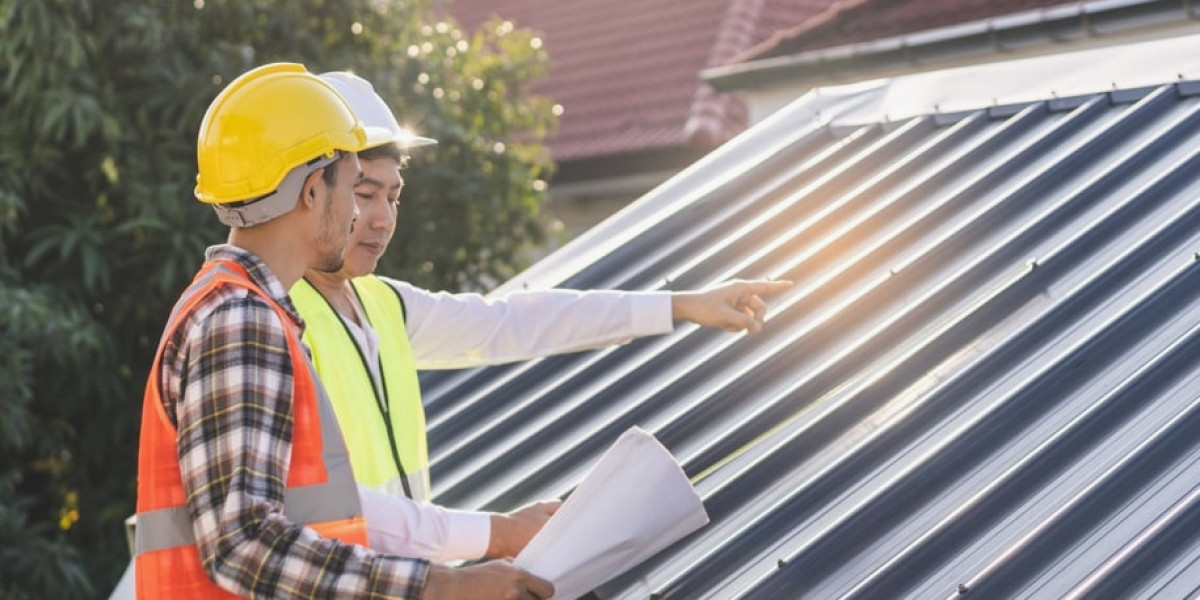
A professional roof inspection is more than a quick visual check from ground level. It involves examining accessible portions of the roofing system and related components to identify conditions that could affect performance, durability, and water resistance. Depending on the building and roof design, an inspector may evaluate surface deterioration, seams, flashing, drainage areas, penetrations, edges, visible fasteners, ponding water, membrane condition, metal components, and signs of moisture intrusion. The surrounding conditions also matter because clogged drains, damaged flashing, poor drainage, or deteriorated materials can contribute to problems even when the main roof surface appears relatively sound. For a business owner, the real value of an inspection lies in turning these observations into useful decisions: whether immediate repairs are appropriate, whether maintenance should be scheduled, or whether the roof is approaching a stage where replacement planning deserves consideration. Regular evaluations can also establish a record of changing conditions, helping property managers make maintenance decisions based on evidence rather than waiting for an emergency.
Why Commercial Roof Maintenance Should Be Proactive
Waiting for water to enter a building before addressing roofing concerns can create complications far beyond the original defect. A small opening around a penetration, deteriorated flashing section, or damaged seam may allow moisture to reach insulation, decking, interior finishes, or stored materials. Over time, unnoticed moisture can contribute to deterioration that becomes more difficult and costly to correct. Proactive maintenance gives businesses an opportunity to address developing issues while they remain manageable and can also reduce unexpected interruptions to daily operations. Weather is another important consideration, particularly in regions exposed to hail, strong winds, heavy rainfall, and changing seasonal conditions. After a significant storm, visible damage is not always the only concern because some defects may be subtle or located in areas that are difficult for an untrained observer to evaluate safely. Scheduling professional assessments as part of an ongoing maintenance strategy allows commercial property owners to respond to the actual condition of their roof instead of relying solely on its age or outward appearance.
What Professionals Look for During a Roof Assessment
A thorough inspection should consider the roof as a complete system rather than focusing on one isolated component. Inspectors typically pay attention to areas where different materials meet, because transitions and penetrations can become vulnerable points over time. Drainage performance is equally important because standing water can place unnecessary stress on roofing materials and indicate underlying drainage concerns. Surface conditions such as cracking, splitting, loose materials, corrosion, punctures, or unusual wear may provide clues about developing problems, while interior evidence such as staining or damp areas can help identify possible moisture intrusion. Mechanical equipment, rooftop structures, vents, skylights, and other penetrations may also require attention because alterations to the roof can create new areas of vulnerability. For property managers, the most useful inspection is one that connects individual observations to practical consequences. Instead of simply identifying a defect, a qualified professional should help explain its significance, the urgency of addressing it, and what type of corrective action may be appropriate based on the roof’s overall condition.
Choosing the Right Roofing Professional for Your Property
Selecting a roofing contractor for an inspection requires more consideration than choosing the lowest quoted price. Commercial properties can have larger and more complex roofing systems than residential structures, so experience with commercial applications is particularly valuable. Property owners should look for a company that understands different roofing materials, follows safe work practices, communicates findings clearly, and can distinguish between routine maintenance concerns and issues that require prompt attention. It is also useful to consider whether the contractor can support the property through more than one stage of the roofing lifecycle. An inspection may reveal a repair requirement, storm damage, or a need for replacement planning, and having a qualified team capable of discussing those options can make the decision-making process more efficient. Legacy Roofing and General Contracting provides commercial roofing services alongside inspections, repairs, replacements, and storm damage restoration, giving businesses access to a broader range of roofing support when an assessment identifies a problem.
How Inspection Findings Can Support Better Business Decisions
Roofing decisions are ultimately property-management decisions because they can affect budgets, schedules, building operations, and the lifespan of a major asset. Inspection findings can help owners prioritize repairs according to severity rather than treating every issue as equally urgent. For example, an active leak or severely compromised area may require immediate attention, while less serious wear can sometimes be incorporated into a planned maintenance schedule. This distinction is valuable for businesses that need to control expenses without ignoring legitimate risks. Inspection documentation can also help property managers communicate roofing conditions to owners, facility teams, or other stakeholders who may not have technical roofing knowledge. When observations are explained in straightforward terms, decision-makers can better understand why a repair is recommended and what may happen if it is postponed. Following significant weather events, a timely professional assessment can also help establish what damage is visible and what corrective work may be necessary, allowing the business to move from uncertainty toward a practical plan.
Quality, Safety, and Long-Term Roofing Performance
Commercial roofing work should always balance immediate needs with the expected performance of the entire system. A quick repair may address a visible symptom, but a careful evaluation can determine whether the underlying issue is isolated or part of a broader pattern of deterioration. Safety is another essential factor because commercial roofs may contain steep areas, fragile surfaces, rooftop equipment, electrical hazards, and other conditions that make unauthorized access dangerous. Business owners and employees should not attempt to investigate difficult roofing areas simply to save time or money. Professional roofers have the experience and equipment necessary to evaluate accessible conditions while reducing unnecessary exposure to hazards. Long-term performance also depends on appropriate materials, proper installation, adequate drainage, timely maintenance, and responsible repairs. Treating the roof as an ongoing asset rather than a one-time construction project can help businesses make more informed choices and avoid the common mistake of addressing only the most visible problem.
Planning the Next Steps After an Inspection
The inspection itself is only the beginning of an effective roofing strategy. Once the condition of the roof has been evaluated, property owners should organize the findings according to urgency, expected impact, and available budget. Immediate deficiencies should be addressed first, while routine maintenance and less critical improvements can be scheduled around business operations. If the roof is nearing the end of its useful service period, early replacement planning may provide more control over timing than waiting until a major failure forces an emergency response. Businesses should also consider keeping inspection records, repair details, and photographs together so future evaluations can be compared with previous conditions. This creates a useful maintenance history and can help identify recurring issues. A thoughtful approach allows owners to balance financial planning with property protection while minimizing avoidable interruptions to employees, tenants, customers, and daily operations.
Conclusion
A commercial roof deserves the same level of attention given to other major business assets because its condition directly influences the protection and usability of the property beneath it. Regular evaluations, timely maintenance, professional repairs, and careful long-term planning can help property owners recognize developing concerns before they become larger operational problems. A **commercial roof inspection ** is therefore most valuable when it produces clear information that supports practical decisions about maintenance, repair, storm damage, or eventual replacement. Businesses should choose roofing professionals based on relevant commercial experience, safety practices, communication, and the ability to provide appropriate solutions for the specific building. With a proactive approach and dependable professional support, property owners can manage roofing needs more confidently while protecting their investment for the years ahead.