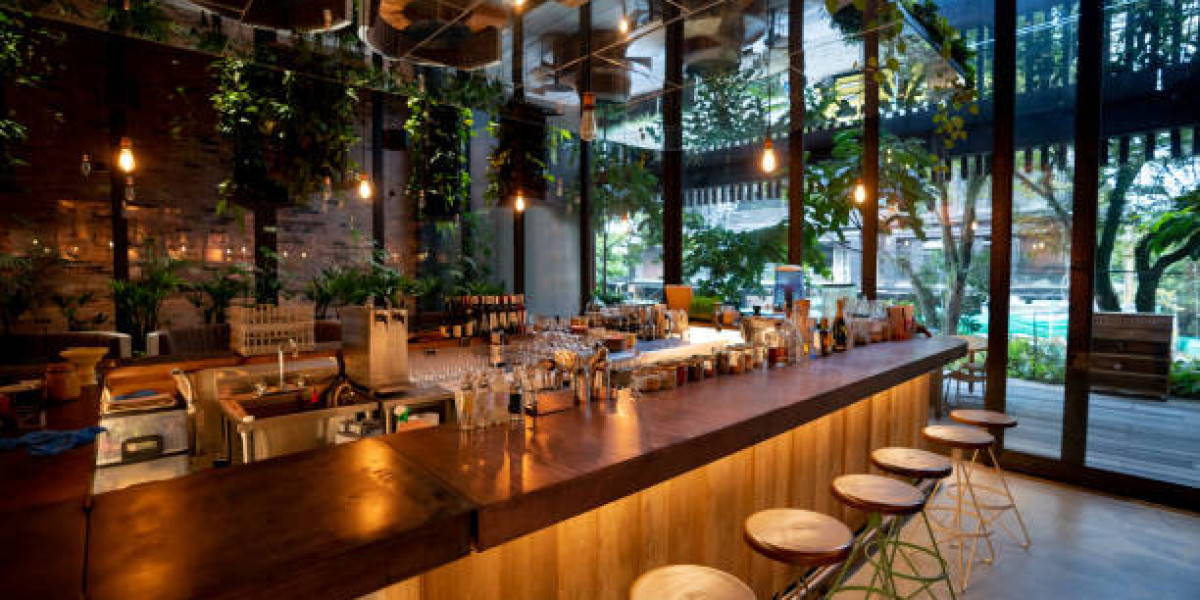

Cafe Bars Market is adapting to changing consumer preferences as customers increasingly value experiences that combine dining, beverages, entertainment, and social interaction. Traditional distinctions between cafes, restaurants, and bars are becoming less rigid in many hospitality environments. This has encouraged operators to create multifunctional spaces capable of serving customers during different periods of the day. Comfortable interiors, diverse menus, flexible seating, and personalized service are becoming important components of the modern cafe bar experience. Businesses are also examining customer behavior to understand changing expectations and develop concepts that provide greater convenience. These developments are encouraging a new generation of hospitality venues focused on experience-driven dining.
The expansion of experiential hospitality spaces reflects the growing importance of experience in consumer decision-making. Customers may select a venue based not only on menu offerings but also on atmosphere, design, service, location, and social appeal. Cafe bars can create differentiated experiences through themed interiors, creative layouts, curated music, community events, and flexible dining environments. Such characteristics can help venues develop recognizable identities within competitive hospitality markets. Experience-oriented concepts can also encourage social media engagement when customers share distinctive environments or special events. As consumers increasingly value memorable experiences, hospitality operators are investing more attention in creating spaces that offer something beyond traditional food and beverage service.
Changing work and lifestyle patterns are also influencing demand. Flexible working arrangements have encouraged some consumers to seek cafes and cafe bars where they can spend time outside traditional workplaces. Comfortable seating, reliable connectivity, suitable lighting, and convenient service can make venues attractive for daytime activities. During evenings, the same spaces can transition toward social dining and entertainment. This flexibility can allow operators to serve different customer segments without maintaining completely separate business models. Designing spaces for multiple purposes requires careful consideration of layout, acoustics, lighting, and service workflows. Businesses that successfully create adaptable environments can potentially improve customer engagement throughout different periods of the day.
Technology continues to reshape customer interactions. Mobile ordering, digital menus, contactless payments, reservation platforms, loyalty programs, and online customer engagement are becoming increasingly common within hospitality. These tools can simplify transactions and provide operators with information about customer preferences and purchasing behavior. Digital marketing also allows cafe bars to communicate directly with customers about events, menu updates, promotions, and new experiences. Data-driven insights may support more informed decisions regarding staffing, inventory, and menu planning. However, technology needs to complement rather than replace hospitality. Personal interaction and service quality remain important elements of the cafe bar experience, particularly for customers seeking social and leisure environments.
Menu flexibility is another important competitive factor. Cafe bars can appeal to diverse customers by combining beverages with breakfast options, snacks, light meals, desserts, and specialty selections. Seasonal menu changes can provide variety and encourage repeat visits. Local culinary influences can also help venues create distinctive identities while connecting with their communities. Presentation, customization, and service style may further contribute to customer satisfaction. Operators need to balance creativity with efficient preparation and consistent quality. A carefully designed menu can support both customer engagement and operational efficiency. As consumers explore new dining experiences, menu innovation is likely to remain an important element of cafe bar strategy.
Sustainability and responsible operations are increasingly relevant to customer expectations. Hospitality businesses can address environmental concerns through food-waste reduction, energy-efficient equipment, responsible sourcing, recyclable packaging, and improved waste-management systems. Some operators are also considering interior materials and furniture choices from a lifecycle perspective. Sustainability can become part of the broader brand identity when businesses communicate responsible practices transparently. Operational efficiency may also improve when waste and resource consumption are reduced. These approaches can benefit both environmental objectives and business performance. As sustainability becomes increasingly important across hospitality, cafe bars may continue incorporating responsible practices into procurement, operations, packaging, and customer engagement.
The future of the Cafe Bars Market will likely depend on how effectively operators respond to evolving lifestyles and expectations. Flexible venue concepts, technology-enabled service, innovative menus, distinctive interiors, and sustainable practices can help businesses differentiate themselves. Consumers may increasingly expect hospitality spaces to serve multiple purposes, from casual dining and social gatherings to daytime work and entertainment. This creates opportunities for operators to experiment with new concepts and service models. Strong customer understanding will remain important because preferences can vary across locations and demographic groups. Businesses that successfully combine convenience, quality, atmosphere, and experience may be well positioned to adapt to the continued transformation of modern hospitality.
FAQs
Q1. Why are cafe bars becoming multifunctional spaces?
Changing lifestyles have increased demand for venues that can support dining, socializing, casual meetings, relaxation, and other activities.
Q2. What role does menu innovation play?
Creative and flexible menus can help venues attract different customer groups and encourage repeat visits.
Q3. Can sustainability improve cafe bar operations?
Yes. Waste reduction, efficient resource use, responsible sourcing, and sustainable packaging can support both environmental and operational objectives.