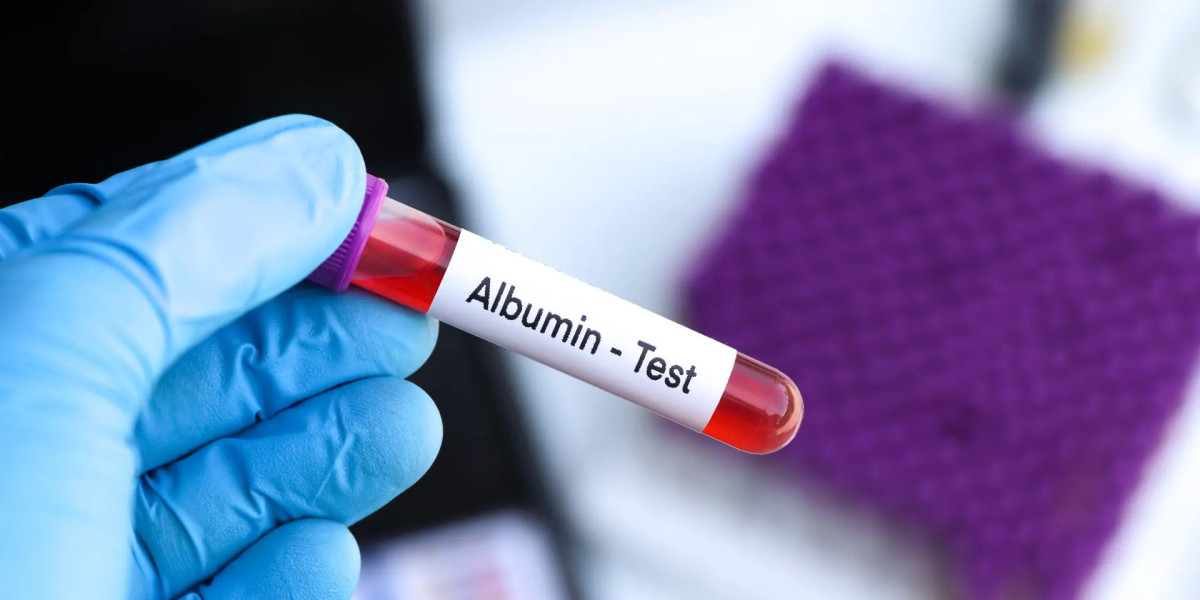

If your healthcare provider has recommended an albumin blood test, you may be wondering what happens during the test, whether you need to prepare, and how to understand the result afterward. The good news is that an albumin blood test is a routine laboratory procedure that usually takes only a few minutes.
The test measures the amount of Albumin Blood Test in Dubai. Albumin is a protein made mainly by the liver that helps maintain fluid balance and transports several substances through the bloodstream. Because albumin levels can be influenced by liver function, kidney health, hydration, inflammation, and nutritional status, the test can provide useful information as part of a broader medical evaluation.
This guide explains how the test works, what you may need to do before it, what happens during the blood draw, and what different albumin results can mean.
First: What Is the Albumin Blood Test Measuring?
Albumin is the most abundant protein in blood plasma. It plays an important role in keeping fluid inside blood vessels through a process associated with oncotic pressure.
It also acts as a transport protein, carrying substances such as hormones, fatty acids, bilirubin, calcium, and some medications through the bloodstream.
The albumin blood test measures the concentration of albumin circulating in your blood, usually reported in grams per deciliter (g/dL).
Doctors may request this test when evaluating possible liver disease, kidney-related protein loss, nutritional concerns, fluid imbalance, or certain chronic health conditions.
Why Your Doctor May Order an Albumin Test?
An albumin test can be ordered for several different reasons. It may be part of routine or broader blood work, or it may be requested because you have particular symptoms or an existing medical condition.
Common reasons include:
Checking liver health:
The liver produces albumin, so albumin levels can provide information about the liver's protein-producing capacity. Doctors may interpret albumin alongside other liver-related tests such as ALT, AST, alkaline phosphatase, and bilirubin.
Investigating kidney problems:
Certain kidney conditions can cause albumin to leak into the urine. Significant protein loss may eventually contribute to a low blood albumin level.
Investigating swelling:
Low albumin can contribute to fluid moving out of blood vessels and into surrounding tissues, causing edema or swelling.
Evaluating nutritional concerns:
Albumin may be considered during a broader assessment of nutritional health, particularly when there is unexplained weight loss, poor appetite, or difficulty maintaining adequate nutrition.
Monitoring an existing condition:
Doctors may periodically measure albumin when monitoring certain chronic or serious health conditions and comparing laboratory results over time.
An albumin test does not diagnose one specific disease. Its meaning depends on the complete clinical picture.
Do You Need to Prepare Before the Blood Test?
For an albumin test alone, fasting is generally not required. However, your doctor may order albumin together with other tests that do require fasting.
For example, a broader metabolic or blood testing panel may include measurements with different preparation requirements. In that situation, the instructions you receive from your healthcare provider or laboratory take priority.
Before your appointment:
Follow any fasting instructions you were given.
Take medications as instructed unless your healthcare provider tells you otherwise.
Stay appropriately hydrated unless you have been given different fluid instructions.
Tell your healthcare provider about medicines or supplements you take if relevant to your testing.
Do not stop prescription medication simply because you are having an albumin test unless a qualified healthcare professional specifically tells you to do so.
What Happens During an Albumin Blood Test?
The albumin test uses a small sample of blood, usually collected from a vein in your arm.
The process typically follows these steps:
Step 1: Identification and preparation
The healthcare professional confirms your information and prepares the equipment. You will generally sit in a chair or lie down if needed.
Step 2: Cleaning the skin
The area, commonly the inside of your elbow or another suitable vein, is cleaned.
Step 3: Blood collection
A sterile needle is inserted into the vein, and a small amount of blood is collected into a tube.
Step 4: Removing the needle
Once enough blood has been collected, the needle is removed and pressure is applied to the site.
Step 5: Laboratory analysis
The blood sample is sent to a laboratory where the albumin concentration is measured.
The actual blood draw usually takes only a few minutes.
Does an Albumin Test Hurt?
Most people experience only a brief pinch or sting when the needle enters the skin.
You may notice slight pressure while the sample is collected. Afterward, mild soreness or a small bruise can sometimes occur at the injection site.
If you tend to feel faint during blood draws, tell the healthcare professional beforehand. They can take steps to make the procedure more comfortable and safe for you.
What Happens to Your Blood Sample After Collection?
After the sample reaches the laboratory, specialized equipment analyzes the blood to determine the concentration of albumin.
The result is then reported to your healthcare provider or made available through your laboratory reporting system, depending on how your testing is organized.
The report normally includes your albumin result, the unit of measurement, and a laboratory-specific reference range.
That reference range is important because normal values can vary between laboratories.
Understanding the Albumin Reference Range:
For many adults, a commonly used albumin reference range is approximately 3.5 to 5.0 g/dL.
However, there is no universal range that applies to every laboratory and every patient. Testing methods, laboratory standards, age, and other factors can affect the reference interval.
Always compare your result with the reference range printed on your own laboratory report.
A value slightly outside the range does not automatically mean that you have a serious health problem. Doctors consider the result together with symptoms, medical history, and other laboratory findings.
What Does a Normal Albumin Result Mean?
A normal albumin result generally means that the measured concentration falls within the laboratory's expected range.
This can be reassuring, but it does not rule out every liver, kidney, nutritional, or other medical condition.
Albumin is only one measurement. For example, early liver or kidney problems may exist without causing a significant change in blood albumin.
Your healthcare provider may therefore look at albumin together with other blood and urine tests to understand your health more accurately.
What Does a Low Albumin Result Mean?
A low blood albumin level is called hypoalbuminemia.
There are several possible reasons for low albumin.
Liver dysfunction:
Because albumin is produced primarily by the liver, significant chronic liver dysfunction can reduce albumin production.
However, a low albumin result alone cannot diagnose liver disease.
Kidney-related protein loss:
Some kidney disorders cause albumin to leak into urine. If protein loss is substantial, blood albumin can decrease.
Doctors may use urine albumin testing, including the urine albumin-to-creatinine ratio, to investigate this possibility.
Inflammation or infection:
Albumin levels can fall during inflammation, infection, trauma, and certain serious illnesses. Changes in protein metabolism during these conditions can affect the measured concentration.
Nutritional problems:
Insufficient nutritional intake or certain digestive disorders may contribute to low albumin in some situations. However, albumin should not be used alone as a measure of nutritional status.
Fluid changes:
Excess fluid can dilute proteins in the bloodstream, potentially contributing to a lower measured albumin concentration.
The cause of low albumin must therefore be determined in context.
What Does a High Albumin Result Mean?
High albumin levels are less common and are often associated with dehydration rather than excessive albumin production.
When the body loses water through vomiting, diarrhea, fever, heavy sweating, or insufficient fluid intake, blood components can become more concentrated. This can result in a higher measured albumin level.
A high albumin result should be considered alongside your hydration status and other laboratory findings.
Albumin Blood Test and Liver Function:
Albumin is closely associated with liver health because the liver produces it.
However, albumin does not provide a complete assessment of liver function. Healthcare providers may also evaluate liver enzymes, bilirubin, clotting measurements, symptoms, medical history, and sometimes imaging studies.
Albumin can be particularly useful when doctors are assessing long-term or significant changes in the liver's protein-producing ability.
Albumin Blood Test and Kidney Health:
The relationship between albumin and kidney health is slightly different.
The blood test measures albumin circulating in your bloodstream, while a urine albumin test evaluates whether your kidneys are allowing albumin to pass into urine.
A person can have a normal blood albumin level while still having albumin in the urine. This is why blood and urine testing can provide complementary information when kidney disease is suspected.
How Long Does It Take to Get Albumin Test Results?
The time required to receive results depends on the laboratory, healthcare facility, testing method, and whether other tests were ordered at the same time.
Some routine laboratory results may become available relatively quickly, while others can take longer.
Your healthcare provider can tell you when you are likely to receive the report and whether follow-up is needed.
What If Your Albumin Result Is Abnormal?
An abnormal result does not automatically mean that you have a serious disease.
Your doctor may consider:
The exact albumin value
Your laboratory's reference range
Previous albumin measurements
Liver function results
Kidney function results
Urine protein findings
Hydration status
Nutritional history
Current symptoms
Existing medical conditions
Depending on these findings, your provider may recommend repeat testing or additional blood, urine, or imaging studies.
Treatment, when necessary, usually focuses on the underlying cause rather than simply trying to change the albumin level.
Common Questions About the Albumin Blood Test:
Can I drink water before an albumin test?
If you have not been given fluid restrictions, normal water intake is generally acceptable. If your test includes other measurements with specific preparation instructions, follow your laboratory's guidance.
Can I eat before an albumin blood test?
Albumin testing alone generally does not require fasting. However, other tests ordered at the same appointment may have fasting requirements.
Is low albumin dangerous?
The significance of low albumin depends on how low it is and why it is low. Significant hypoalbuminemia can be associated with fluid retention and underlying medical conditions, so it should be evaluated by a healthcare professional.
Can diet increase albumin?
Improving nutrition can be appropriate when inadequate nutritional intake contributes to low albumin, but diet is not the solution for every case. Liver disease, kidney protein loss, inflammation, and other conditions require evaluation and appropriate treatment.
The Bottom Line:
An albumin blood Lab tests is a simple procedure that measures the concentration of an important protein in your bloodstream. The test itself usually involves a routine blood draw and takes only a few minutes.
Preparation is generally minimal, and fasting is not normally required for albumin alone. Once the laboratory analyzes the sample, the result is compared with that laboratory's reference range.
A normal albumin level generally falls within the expected range, while a low result may be associated with liver dysfunction, kidney-related protein loss, inflammation, nutritional problems, or fluid changes. A high result is often associated with dehydration.
The most important point is that an albumin result should not be interpreted by itself. Your healthcare provider can evaluate the number alongside your symptoms, medical history, liver and kidney tests, urine findings, and other relevant information to determine what it means for you.