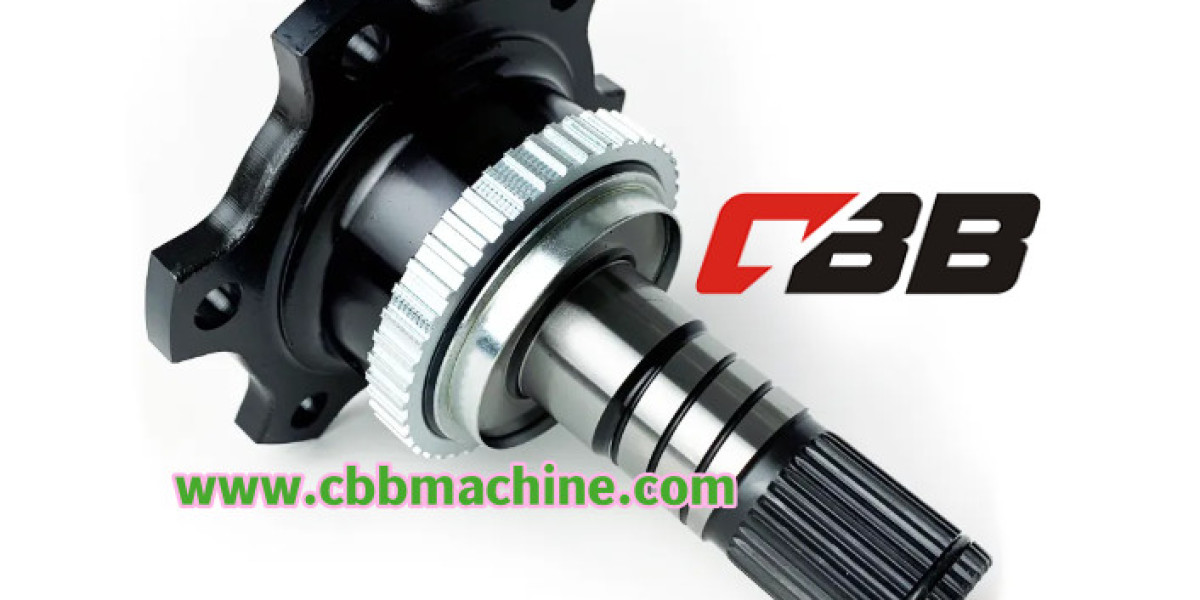

In converting and winding operations, several rolls may need to move together while responding differently to material conditions. Cbbmachine Differential Air Shaft is designed for this kind of working environment, combining pneumatic core gripping with differential winding action to create a more adaptable connection between the machine and individual rolls. Instead of treating every winding position as though it has identical requirements, the design allows each position to respond more naturally to its own material resistance and winding conditions.
A major consideration in multi-roll processing is maintaining a suitable relationship between the web and the core. Materials traveling through a slitting or rewinding system can behave differently according to their characteristics and processing conditions. When several narrow webs are wound simultaneously, forcing every position to follow exactly the same mechanical behavior may create unnecessary challenges. Independent differential action offers a practical way to accommodate these differences within one coordinated system.
The pneumatic gripping mechanism also contributes to convenient core engagement. By expanding against the inside of the core, the shaft can establish a firm connection for winding operations while allowing the operator to manage loading and removal efficiently. This can make the transition between production tasks more organized and reduce the effort associated with preparing individual rolls.
During winding, controlled slip between separate positions can help compensate for variations in material resistance. This is particularly relevant when multiple rolls have different widths or winding characteristics. Rather than transferring identical mechanical influence to every position, the differential structure allows each winding location to respond according to its own needs. Such flexibility can contribute to more consistent roll formation and a smoother production rhythm.
Roll quality is closely related to what happens throughout the winding process. Unbalanced material movement can influence the shape and internal structure of finished rolls, potentially creating difficulties during later handling or processing. A carefully configured differential mechanism can help maintain a more harmonious relationship between individual winding positions, supporting the production of rolls that are easier to manage downstream.
Another important advantage is adaptability. Converting manufacturers may work with changing materials, production arrangements, and processing requirements. Equipment that can accommodate these variations provides greater freedom when designing or adjusting a production line. The shaft can become an integrated part of that strategy, connecting pneumatic gripping, differential action, and roll handling within a unified mechanical arrangement.
Integration should also be considered from the perspective of the complete machine. Slitting knives, tension systems, drive units, cores, frames, and control components all influence winding performance. A suitable shaft needs to work naturally alongside these elements rather than functioning as an isolated component. Careful configuration can help create a balanced machine structure in which material movement and roll formation remain closely coordinated.
Daily operation is another part of the selection process. Operators need equipment that fits naturally into loading, unloading, adjustment, inspection, and maintenance routines. A practical design can make these activities easier to organize while supporting a cleaner production workflow. When equipment responds predictably, operators can focus more closely on the material and the finished roll.
Selecting a suitable solution therefore begins with the application itself. Material properties, core requirements, roll arrangement, winding method, machine architecture, and desired operating behavior should all be considered together. This approach helps manufacturers choose a configuration that complements their process rather than forcing production methods to adapt around the equipment.
The real strength of a differential winding concept is its ability to respect individual differences while maintaining overall coordination. Each roll can follow its own mechanical needs without losing its place within the larger production system.
When your winding process calls for greater adaptability between individual rolls, the next improvement may be hiding in the connection itself. Visit https://www.cbbmachine.com/product/ and take a closer look at the possibilities. Give your production line a new point of connection, and let every roll find its own rhythm within the process.