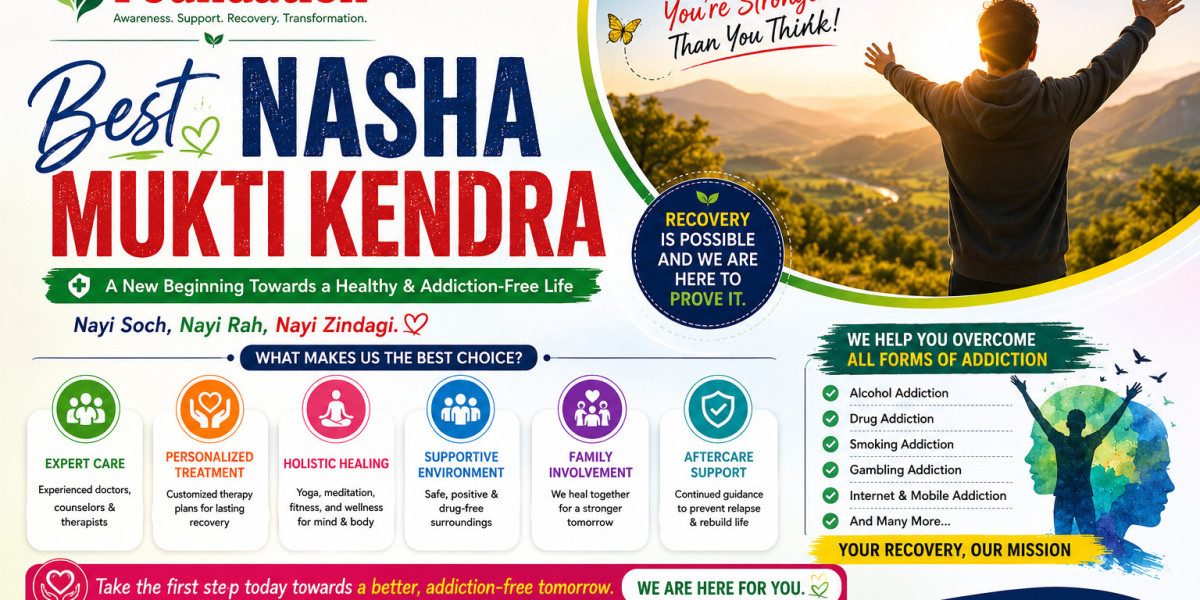

Many families feel like the most difficult thing about addiction is completing the process of detoxification and treatment. However, in many cases, discharge is an important phase that requires special attention in order to ensure success. A poorly organized discharge phase may lead to all your efforts becoming futile, while a properly organized one is the cornerstone of the successful recovery process.
In this blog, we will discuss the important aspects of discharge and aftercare planning, the reasons for their significance, and the importance of selecting the Best Nasha Mukti Kendra.
Why Does Discharge Planning Matter So Much?
Discharge planning is the bridge between structured rehabilitation and independent living. Without it, patients often feel disoriented, anxious, or unprepared to face real-world triggers such as stress, social pressure, or old habits. Proper discharge planning addresses relapse prevention, coping mechanisms, lifestyle changes, and continued therapy—ensuring that recovery doesn't stop the moment a patient walks out the door.
A structured discharge plan typically includes a personalized aftercare schedule, identification of potential triggers, emergency contact protocols, and a clear roadmap for follow-up counseling. This is why reputable rehabilitation centres treat discharge planning as seriously as the initial detox phase itself.
What Role Does Medical Assessment Play Before Discharge?
Before a patient is discharged, a thorough medical and psychological evaluation is essential. This assessment determines whether the individual has achieved physical stability, whether withdrawal symptoms have subsided, and whether any co-occurring mental health conditions—such as anxiety or depression—are being adequately managed.
Doctors and counselors at a trusted Rehab Centre evaluate vital signs, sleep patterns, appetite, mood stability, and overall readiness for reintegration into society. If any red flags are found, the discharge timeline may be adjusted to ensure the patient leaves only when they are truly prepared, not just when a predetermined number of days has passed.
How Is an Aftercare Plan Developed for Long-Term Recovery?
An aftercare plan is arguably the most important document a patient receives upon leaving treatment. It outlines follow-up therapy sessions, support group meetings (such as Narcotics Anonymous or Alcoholics Anonymous), medication schedules if applicable, and lifestyle recommendations including diet, exercise, and sleep hygiene.
The Nasha Mukti Kendra facilities go a step further by customizing this plan based on the individual's triggers, family dynamics, and career or educational commitments. This personalized approach significantly reduces the chances of relapse because it treats each patient as a unique case rather than applying a one-size-fits-all template.
What Steps Help Prevent Relapse After Discharge?
Relapse prevention is a core focus during the discharge phase. Patients are taught to recognize early warning signs of relapse, such as changes in mood, isolation from loved ones, or renewed contact with old acquaintances associated with substance use. Coping strategies like mindfulness, journaling, physical activity, and structured daily routines are reinforced before discharge.
Additionally, many centres provide patients with a relapse prevention toolkit that includes emergency contact numbers, breathing exercises, and grounding techniques. This proactive approach ensures that even if cravings or triggers arise, the individual has immediate tools to manage them without resorting to substance use.
Why Is Family Involvement Crucial During the Discharge Process?
Family plays an irreplaceable role in a patient's recovery journey. Before discharge, family counseling sessions are often conducted to educate relatives about what to expect, how to provide emotional support, and how to avoid enabling behaviors that could inadvertently trigger relapse.
A supportive home environment can dramatically improve recovery outcomes. This is why the Best Nasha Mukti Kendra centres emphasize family therapy sessions, teaching loved ones communication techniques, boundary-setting, and how to recognize signs of distress. When family members are informed and involved, patients feel less isolated and more motivated to maintain their sobriety.
How Does Continued Therapy Support Sustained Recovery?
Discharge does not mean the end of therapy—it simply marks a shift from intensive inpatient care to outpatient or community-based support. Continued individual counseling, group therapy, and psychiatric follow-ups (if needed) help patients process emotions, address underlying trauma, and build resilience against future stressors.
Many rehabilitation facilities offer step-down programs, including outpatient visits, telephonic counseling, or periodic check-ins, ensuring that patients don't feel abandoned after leaving the facility. This continuity of care is a hallmark of effective addiction treatment and significantly improves long-term sobriety rates.
What Lifestyle Changes Are Recommended Post-Discharge?
Sustainable recovery often requires meaningful lifestyle adjustments. Patients are encouraged to establish a daily routine that includes regular sleep patterns, balanced nutrition, physical exercise, and engagement in hobbies or productive activities. Avoiding environments associated with past substance use—such as certain social circles or locations—is equally important.
Building new, healthy relationships and finding purpose through work, volunteering, or creative pursuits can also reinforce a person's commitment to sobriety. A well-rounded lifestyle acts as a protective buffer against the stressors that often lead to relapse.
Why Choose a Trusted Rehab Centre for Discharge Planning?
Not all treatment facilities place equal emphasis on discharge planning. Choosing a Rehab Centre with a strong track record in aftercare support, family counseling, and relapse prevention can significantly influence recovery success. Facilities that follow evidence-based practices and maintain open communication with patients and families throughout the discharge process tend to produce better long-term outcomes.
When researching options, look for centres that offer transparent discharge protocols, ongoing support services, and a compassionate, patient-centered approach. The Best Nasha Mukti Kendra options typically stand out because they don't just focus on detox and initial recovery—they invest in the patient's future well beyond the treatment period.
What Should Families Ask Before Their Loved One Is Discharged?
The family must not be afraid to raise any questions on discharge day. Some critical questions to ask are: What is the schedule of our follow-up therapies? Are there any support groups suggested in our region? What signs are red flags for us to look out for? In case of any emergency or relapse issues, whom should we reach out to?
Being proactive and having knowledge allows the family to support in the right way and not be overbearing.
Conclusion
A safe and steady discharge process is just as important as the initial stages of addiction treatment. From thorough medical assessments and personalized aftercare plans to relapse prevention strategies and family involvement, every step plays a vital role in ensuring long-term recovery success. Choosing a facility that prioritizes comprehensive discharge planning—rather than rushing patients out the door—can make the difference between temporary sobriety and lasting transformation.
If you or a loved one are searching for compassionate, structured, and effective addiction treatment, partnering with a trusted Rehab Centre that emphasizes both treatment and aftercare is essential. A well-planned discharge is not the end of the journey—it is the beginning of a healthier, more empowered life.
Frequently Asked Questions (FAQs)
1. What is the discharge process in addiction treatment?
The discharge process refers to the structured transition a patient goes through when moving from inpatient rehabilitation care back into everyday life. It includes medical clearance, aftercare planning, relapse prevention education, and family counseling to ensure the patient is fully prepared for independent living.
2. How long does the discharge planning process usually take?
Discharge planning typically begins early in the treatment journey, often within the first few weeks, and continues until the patient is medically and psychologically ready to leave. The exact timeline varies depending on individual progress, but it is never rushed if a patient shows signs of needing additional support.
3. What happens if a patient relapses after discharge?
If a relapse occurs, it's important to reach out to the treatment centre immediately rather than viewing it as a failure. Many facilities offer re-admission options, booster counseling sessions, or adjusted aftercare plans to help the individual get back on track.
4. How can family members support a loved one after discharge?
Family members can support recovery by attending family counseling sessions, maintaining open and non-judgmental communication, helping establish healthy routines, and staying alert to early warning signs of distress or relapse without being overly controlling.
5. Why is aftercare important even after successful rehab treatment?
Aftercare is crucial because addiction recovery is an ongoing process, not a one-time fix. Continued therapy, support groups, and lifestyle adjustments help reinforce coping skills and reduce the risk of relapse, ensuring that the progress made during treatment is sustained over the long term.