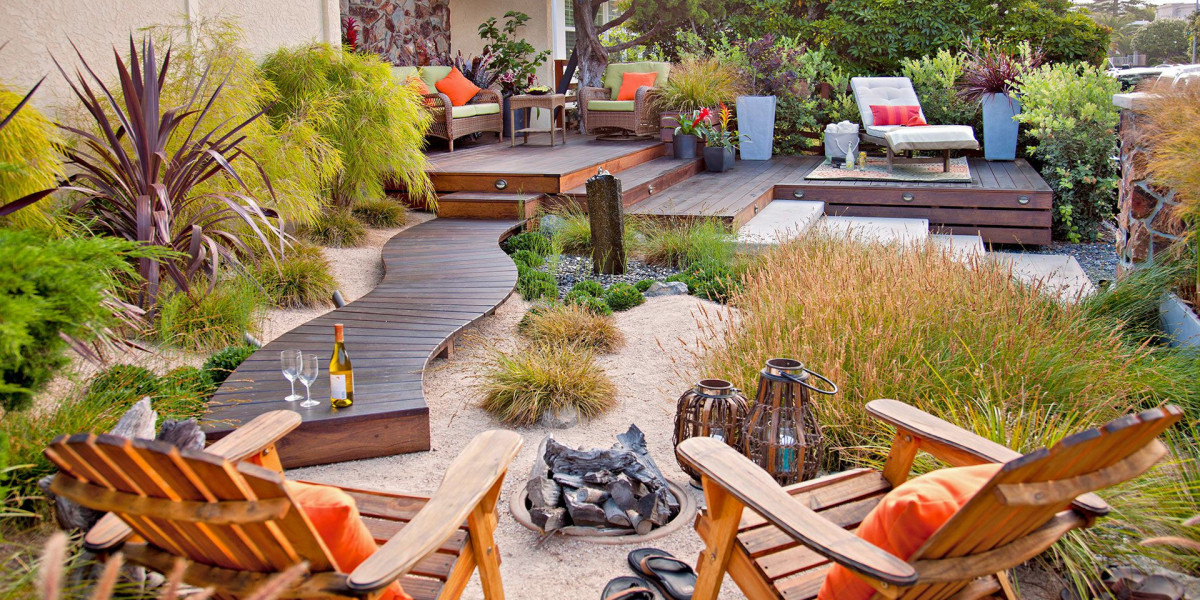

Creating a beautiful yard in North Texas does not have to mean using large amounts of water throughout the year. Hot summers, periods of limited rainfall, and intense afternoon sunlight can place significant demands on traditional lawns and thirsty ornamental plants. Thoughtful landscaping Mansfield TX homeowners choose can combine attractive design with plants and materials that perform well under local conditions. Drought-tolerant landscaping focuses on using water wisely while maintaining color, texture, shade, and visual interest. With the right planning, homeowners can enjoy an inviting outdoor space without depending on excessive irrigation to keep it looking healthy.
What Is Drought-Tolerant Landscaping?
Drought-tolerant landscaping is an approach that emphasizes plants, irrigation methods, soil preparation, and landscape designs that can handle periods of limited water. It does not mean replacing an entire yard with rocks or eliminating greenery. Instead, the goal is to select vegetation suited to the property's conditions and organize the landscape so water is used efficiently. Plants should be chosen according to sunlight, soil, mature size, and moisture requirements rather than appearance alone. This approach can create a landscape that remains attractive while reducing unnecessary watering and maintenance.
A successful drought-tolerant design also considers how different areas of the property are used. High-traffic lawn zones may need more attention than decorative planting beds, while shaded areas can support plants with different moisture requirements. Grouping plants with similar watering needs makes irrigation more efficient and prevents some species from receiving too much or too little water. Mulch, shade trees, appropriate ground covers, and carefully selected hardscaping can further improve water efficiency. The result is a balanced outdoor environment designed around both aesthetics and practical resource management.
Choose Plants That Handle North Texas Conditions
Plant selection is one of the most important decisions in water-conscious landscaping. Native and well-adapted plants are often strong choices because they can tolerate the environmental conditions found in North Texas when planted in appropriate locations. Homeowners can consider native grasses, flowering perennials, shrubs, and trees that provide different colors, textures, and seasonal interest. However, even drought-tolerant plants require water while becoming established. Proper planting, soil preparation, and early maintenance are essential for helping new vegetation develop strong root systems.
A varied plant palette can prevent a drought-tolerant yard from becoming visually boring. Trees can provide height and shade, shrubs can create structure and privacy, while flowering plants can introduce seasonal color. Ornamental grasses can add movement and texture, and ground covers can reduce exposed soil in selected areas. Combining plants with different heights and bloom periods creates visual depth throughout the year. Experienced professionals can help homeowners select species according to the amount of sunlight, drainage, soil conditions, and maintenance the property can realistically support.
Improve Soil to Make Every Drop Count
Healthy soil plays a major role in how efficiently a landscape uses water. Compacted or poorly prepared soil can prevent water from reaching plant roots evenly, causing runoff in some areas and dry conditions in others. North Texas properties may contain heavy clay soils that can become difficult to work during dry periods and slow to drain after significant rainfall. Improving soil structure where appropriate can help roots access moisture and nutrients more effectively. Before making amendments, homeowners should understand the existing soil rather than adding products without identifying the actual problem.
Organic material and suitable mulch can support healthier planting beds when used correctly. Mulch helps reduce direct evaporation from the soil surface, moderates temperature fluctuations, and can reduce competition from weeds. It should be applied at an appropriate depth and kept away from direct contact with tree trunks and plant stems. Good soil and mulch practices do not eliminate irrigation requirements, but they can help make watering more effective. A professional landscape assessment can determine which areas would benefit most from soil improvement and moisture-conservation strategies.
Install Efficient Irrigation and Water Wisely
An efficient irrigation system can significantly improve the performance of a drought-conscious landscape. Traditional watering methods may apply more water than plants actually need or distribute it unevenly across the property. Drip irrigation can be useful in certain planting beds because it delivers water near plant root zones, while properly adjusted sprinklers can efficiently cover appropriate turf areas. Irrigation zones should be organized according to plant requirements rather than treating the entire yard as one uniform space. Regular inspections are also important because leaks, clogged heads, and damaged components can waste water without being immediately obvious.
Watering schedules should respond to actual weather and landscape conditions. During periods of extreme heat, newly planted vegetation may require closer monitoring than established drought-tolerant plants. Watering during cooler portions of the day can help reduce evaporation, while checking soil moisture can prevent unnecessary irrigation. Homeowners should also adjust systems after significant rainfall rather than allowing automatic schedules to continue unchanged. Professionals providing landscaping Mansfield TX services can inspect irrigation coverage and recommend adjustments that support plant health without encouraging wasteful watering habits.
Reduce Turf Without Losing Curb Appeal
Large expanses of traditional turf can require substantial maintenance and irrigation, particularly during hot weather. Reducing lawn area does not mean sacrificing the clean appearance many homeowners want from their properties. Turf can be retained in areas where it provides genuine value, such as play spaces, walkways, gathering areas, or visually important sections of the front yard. Other portions can transition to planting beds, ornamental grasses, ground covers, mulch, or suitable hardscape features. This creates a more diverse landscape while potentially reducing the amount of regularly irrigated grass.
The key is to make the transition look intentional rather than simply removing sections of lawn. Curved planting beds, defined borders, strategically placed trees, and coordinated plant groupings can create a polished appearance. Decorative rock or other hardscape materials may also be incorporated where appropriate, but excessive hard surfaces can increase heat and runoff. A balanced design combines living plants with functional landscape elements. Homeowners can therefore reduce water-demanding turf while maintaining a welcoming yard that complements the architecture of the home.
Use Hardscaping and Shade Strategically
Hardscaping can contribute to water-conscious landscape design when used thoughtfully. Patios, walkways, seating areas, retaining features, and other structures can reduce the amount of lawn requiring regular irrigation while creating useful outdoor spaces. Material selection should consider durability, maintenance, drainage, and the visual character of the property. Proper installation is essential because hardscape surfaces can influence how rainwater moves through the yard. When designed as part of the overall landscape, these features can improve functionality without overwhelming the property's natural appearance.
Shade is another valuable element for reducing landscape stress. Strategically positioned trees can protect portions of the yard from intense afternoon sunlight and create more comfortable outdoor living areas. Shade can also influence the types of plants that can thrive in different sections of the property. However, trees should be selected and positioned with their mature size and root growth in mind. Professional planning can help homeowners balance shade, aesthetics, utility lines, structures, and planting requirements before committing to major landscape changes.
Plan a Beautiful, Low-Water Backyard
A drought-tolerant backyard can be particularly effective when its design reflects how the household actually spends time outdoors. A backyard remodeler Mansfield homeowners trust can help combine water-conscious planting with patios, seating areas, pathways, shade, lighting, and other outdoor living features. Instead of creating a yard that depends heavily on irrigation, the design can emphasize durable plants and functional spaces. This approach can also make maintenance more manageable because different zones can be maintained according to their specific requirements. The result is an outdoor environment that feels comfortable and intentional rather than simply designed around water reduction.
Long-term maintenance should be considered before the project begins. Even drought-tolerant landscapes need pruning, weed control, seasonal cleanup, irrigation checks, and occasional plant replacement. Newly installed plants require particular attention until their root systems become established. Over time, however, appropriate plant selection and efficient irrigation can make the landscape easier to manage than a yard dominated by water-intensive vegetation. Homeowners should also monitor how plants respond to unusual weather and make adjustments when conditions change.
Make Water Conservation Part of the Design
Water conservation works best when it is incorporated into the landscape from the beginning instead of added after problems appear. Site grading, soil preparation, plant selection, irrigation, mulch, lawn placement, drainage, and hardscaping all influence how efficiently a yard uses available water. Addressing these elements together creates a more cohesive and resilient outdoor space. Homeowners should also prioritize plants and features that suit their property's specific conditions rather than copying another landscape without considering differences in sunlight, soil, or drainage. Professional guidance can be especially helpful for larger projects where several elements need to work together.
Ultimately, attractive landscaping and responsible water use can coexist. The strongest landscaping Mansfield TX designs use regional knowledge, thoughtful plant selection, efficient irrigation, practical hardscaping, and appropriate maintenance to create yards that remain inviting through challenging weather. Drought-tolerant landscaping is not about giving up color or personality; it is about making smarter choices about where and how resources are used. By designing around local conditions and the homeowner's lifestyle, a water-conscious landscape can provide lasting curb appeal, comfortable outdoor areas, and a more manageable investment for years to come.