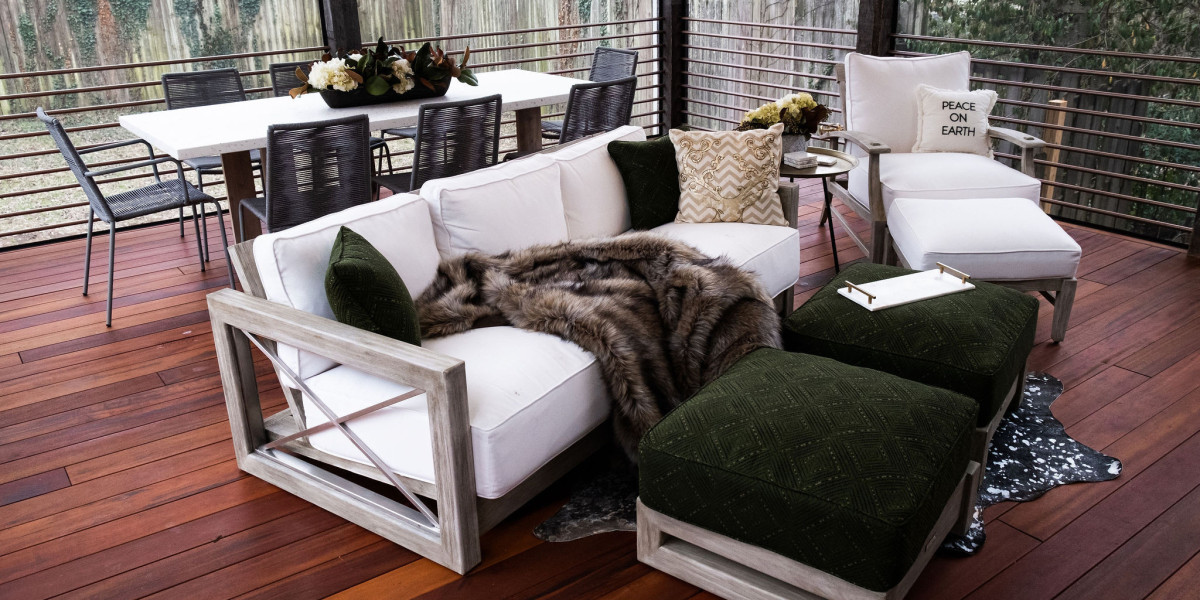

Annapolis homeowners have plenty of reasons to enjoy their outdoor spaces, from mild spring afternoons to crisp autumn evenings along the Chesapeake Bay. However, creating an outdoor area that remains comfortable and functional throughout the year requires more than attractive furniture and landscaping. Rain, humidity, winter temperatures, strong sunlight, and seasonal storms can all affect outdoor construction materials and design decisions. An experienced outdoor living contractor annapolis homeowners choose can account for these conditions from the earliest planning stages. The result is a backyard designed for real use rather than a space that only works during perfect weather.
Understanding Annapolis Weather Before Designing Outdoors
Annapolis experiences four distinct seasons, which means outdoor structures must handle changing temperatures and moisture conditions. Summers can bring heat and humidity, while winter introduces freezing temperatures and occasional snow or ice. Spring and fall can provide excellent outdoor weather but may also bring periods of heavy rainfall and fluctuating temperatures. These changes make material selection, drainage, shade, and structural planning particularly important. A contractor who understands local conditions can incorporate weather resilience into the design instead of treating it as an afterthought.
The property's location can also influence how weather affects an outdoor space. Homes near the Chesapeake Bay may experience different exposure to wind, moisture, and salt-laden air than properties farther inland. Trees, neighboring structures, slopes, and the home's orientation can create additional differences in sunlight and wind exposure. Before construction begins, a professional should evaluate these conditions and consider how they affect the proposed design. This site-specific approach can help homeowners choose features that remain attractive and useful despite Annapolis's changing seasons.
Designing for Summer Heat and Humidity
Summer comfort starts with managing direct sunlight and creating areas where people can escape the heat. Pergolas, covered patios, shade structures, strategically placed trees, and outdoor umbrellas can help reduce exposure during the hottest parts of the day. The position of seating and dining areas also matters because a space that receives intense afternoon sun may be uncomfortable even when the temperature is moderate. A thoughtful contractor can study the home's orientation and existing landscape before deciding where different outdoor zones should be placed.
Material selection is another important consideration during hot and humid weather. Different decking, paving, roofing, furniture, and wall materials can absorb and retain varying amounts of heat. Homeowners should discuss how proposed surfaces will feel under direct sunlight and how they should be cleaned and maintained. Proper ventilation is especially valuable for covered outdoor areas because it can help prevent a space from feeling enclosed or stagnant. Combining shade, airflow, durable materials, and comfortable furnishings creates a more enjoyable summer environment.
Preparing Outdoor Spaces for Rain and Drainage
Rain management is one of the most important aspects of a durable outdoor living design. Patios, walkways, retaining walls, planting areas, and structures should be planned with existing grades and water movement in mind. Poor drainage can allow water to collect against foundations, damage landscaping, undermine hardscape surfaces, or create muddy areas. A qualified outdoor living contractor annapolis homeowners hire should evaluate the site before construction and explain how runoff will be managed. Proper grading and drainage are often less visible than decorative finishes, but they can have a major effect on long-term performance.
Covered spaces require their own drainage considerations. Roof runoff should be directed away from foundations and areas where standing water could become a problem. Gutters, downspouts, drainage channels, permeable surfaces, and appropriately designed landscape areas may all play a role depending on the property. Homeowners should ask where water will go during heavy rainfall rather than assuming the finished project will automatically handle runoff. Addressing these issues during design is generally more effective than trying to correct drainage problems after construction.
Choosing Materials That Can Handle Seasonal Changes
Outdoor materials must withstand repeated exposure to moisture, sunlight, temperature changes, and everyday use. Wood, composite decking, natural stone, concrete, brick, pavers, and other materials each have different maintenance requirements and performance characteristics. The right choice depends on the design, budget, expected use, and specific location of the installation. A knowledgeable contractor should explain the advantages and limitations of the materials being recommended instead of promising that any product is completely maintenance-free.
Seasonal maintenance should also be considered before materials are selected. Some surfaces may need periodic cleaning, sealing, staining, or inspection, while others may require relatively simple routine care. Hardware and fasteners should be appropriate for exterior conditions, particularly where moisture or coastal exposure may be a concern. Homeowners should ask about expected service life, manufacturer maintenance instructions, warranty terms, and repair options. Understanding these factors helps ensure that the finished space remains attractive without creating an unrealistic maintenance burden.
Creating Comfortable Spaces for Spring and Fall
Spring and fall are often ideal seasons for outdoor entertaining, but temperatures can change quickly throughout the day. Flexible outdoor spaces can make these seasons more enjoyable by combining covered areas, adjustable shade, comfortable seating, lighting, and heating options. A fire feature, outdoor-rated heater, or sheltered lounge area can extend the amount of time people comfortably spend outside after temperatures drop. These features should be positioned carefully so they support the layout rather than creating unnecessary safety or circulation problems.
Lighting is particularly valuable during the shorter days of fall and early spring. Layered lighting can illuminate steps, pathways, dining areas, cooking zones, and seating spaces without making the backyard feel overly bright. Task lighting can support outdoor kitchens, while softer accent lighting can highlight architectural or landscape features. A professional designer or contractor can incorporate lighting into the overall plan rather than adding fixtures randomly after construction. This creates a more cohesive environment and improves the usability of the outdoor area after sunset.
Protecting Outdoor Areas During Winter
Winter planning does not mean an outdoor living space must be used constantly during cold weather. Instead, the goal is to ensure that structures and materials are prepared to withstand the season and remain ready for use when conditions improve. Durable construction, appropriate drainage, weather-resistant finishes, and properly selected hardware can reduce problems caused by freezing temperatures and moisture. Furniture and portable accessories may also need to be stored, covered, or otherwise protected according to manufacturer recommendations.
Structural features deserve particular attention because winter weather can expose weaknesses that may not be obvious during warmer months. Decks, railings, stairs, pergolas, retaining walls, and other structures should be designed and installed according to applicable requirements and appropriate construction practices. The City of Annapolis provides specific deck construction requirements and documentation guidance for residential deck projects. (annapolis.gov) Discussing these requirements with your contractor early can help ensure the project is planned properly from the start.
Adding Privacy and Protection With Fencing
Fencing can provide more than a visual boundary around a property. A strategically planned fence can create privacy, define outdoor rooms, reduce visual distractions, and help establish a more comfortable setting for dining or relaxing. The material, height, placement, and style should complement both the home and the surrounding landscape. Homeowners considering fence installation anne arundel county md should also discuss property lines, local requirements, utility locations, access, and neighborhood considerations before construction begins.
The fence should also be integrated into the larger outdoor living plan. For example, a privacy fence can provide a backdrop for a seating area or help separate an outdoor kitchen from a service zone. Landscaping can soften the appearance of the fence, while lighting can highlight selected sections without overwhelming the yard. When fencing is planned alongside patios, decks, planting beds, and walkways, the entire property can feel more cohesive. This coordinated approach is often more effective than installing a fence as a completely separate project.
Planning for Year-Round Outdoor Entertainment
A successful year-round outdoor area should offer several ways to use the property depending on the season. In summer, homeowners may prioritize shaded dining and cooling features, while spring and fall may emphasize comfortable seating, lighting, and fire features. During winter, the emphasis can shift toward durability, weather protection, and convenient storage. Designing flexible zones allows the same backyard to support different activities without requiring major changes throughout the year. This is where thoughtful planning can provide more value than simply adding more features.
An outdoor kitchen, for example, can become a central gathering point when paired with appropriate shade and seating. A nearby covered lounge can provide a comfortable retreat when weather changes, while pathways can maintain convenient connections between the home and different outdoor areas. Privacy fencing can make these spaces feel more intimate, and carefully planned landscaping can provide seasonal interest. The strongest designs consider these elements together rather than selecting each feature independently.
Choosing an Experienced Local Contractor
When interviewing contractors, homeowners should ask how the company approaches weather, drainage, materials, permits, and seasonal construction. Request examples of completed projects that have similar features or site conditions. It is also helpful to ask about insurance, written contracts, warranties, construction schedules, and how unexpected conditions are handled. A reputable contractor should explain recommendations clearly and avoid guaranteeing outcomes that depend on weather or site conditions. Good communication before construction is often an indication of how the company will communicate once work begins.
Local experience can provide another advantage because contractors familiar with Annapolis and surrounding communities may better understand common property challenges and local approval processes. However, homeowners should still verify credentials, review references, and evaluate the specific scope of work. The right outdoor living contractor annapolis homeowners select should be able to combine design thinking with sound construction practices. Whether the project includes a patio, deck, outdoor kitchen, fencing, lighting, or landscaping, every component should contribute to a durable and comfortable overall environment.
Building an Outdoor Space for Every Season
Year-round outdoor living begins with designing for the weather instead of designing around it. Annapolis homeowners can improve comfort and durability by considering shade, drainage, wind exposure, materials, lighting, heating, privacy, and seasonal maintenance before construction starts. These decisions can make the difference between an outdoor area that sits unused for much of the year and one that becomes a genuine extension of the home. Professional planning also helps coordinate structural, landscape, and functional elements into one unified design.
Whether you are planning a new entertaining area or upgrading an existing backyard, the goal should be a space that performs well under real Annapolis conditions. A qualified outdoor living contractor annapolis homeowners trust can evaluate the property, explain suitable options, and develop a design that balances comfort, durability, appearance, and budget. If fencing is part of the project, discussing fence installation anne arundel county md requirements and site considerations early can help avoid complications later. With the right planning and construction approach, an outdoor living space can remain useful, inviting, and enjoyable throughout the changing seasons.