
Preparing a property for construction involves much more than placing a building plan on paper. Before foundations, driveways, utilities, or other improvements can be installed, the site may need trees, brush, stumps, debris, and other obstacles removed. The appropriate clearing method depends on vegetation density, terrain, soil conditions, property size, and the project's final purpose. Property owners researching land clearing services wise county tx should understand the methods contractors commonly use before choosing a service. Careful preparation can improve construction access, reduce delays, and create a safer foundation for the next phase.
Why Land Clearing Is an Important Construction Step
Land clearing creates the working space needed for construction crews and equipment to operate efficiently. An undeveloped property may contain mature trees, thick undergrowth, fallen timber, old fencing, rocks, or other obstacles that interfere with surveying and construction. Removing these obstacles allows contractors to establish access routes and identify the areas where buildings or infrastructure will be installed. However, effective clearing does not necessarily mean removing everything from the property. A professional approach considers the construction plan and preserves features that can safely remain.
The clearing process can also influence later site-preparation costs. If vegetation is removed without considering grading, drainage, utility installation, or foundation requirements, additional work may become necessary. Contractors should therefore understand the property's intended use before selecting equipment and clearing techniques. Residential lots, commercial sites, agricultural properties, and large development tracts can require very different approaches. Coordinating clearing with the future construction schedule helps create a more efficient transition from an undeveloped property to a build-ready site.
Mechanical Clearing for Dense Vegetation
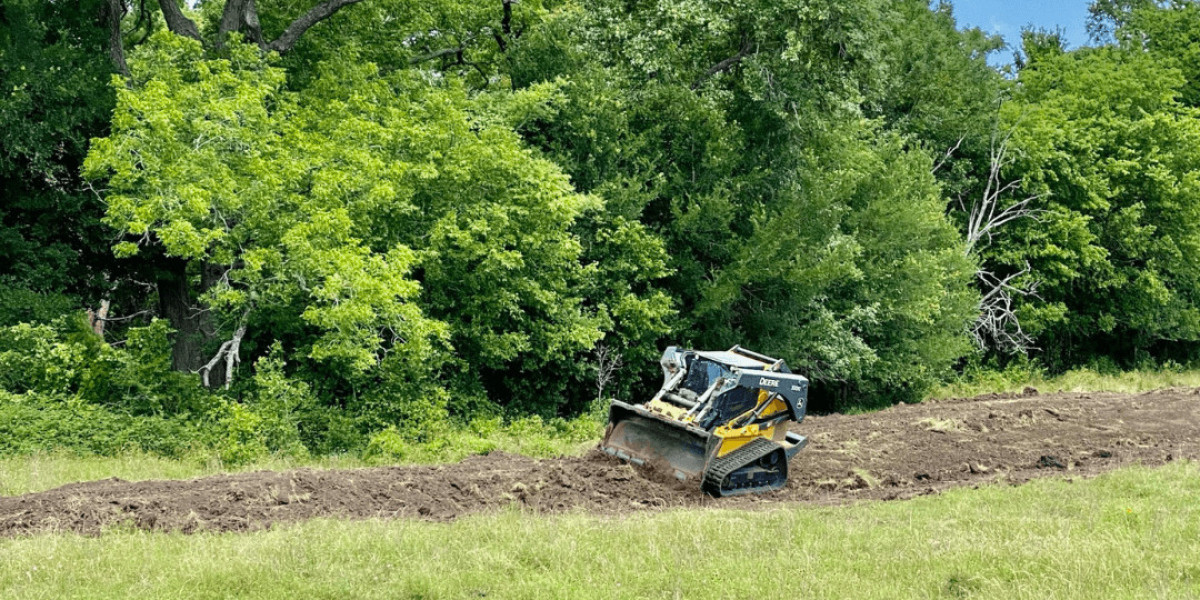
Mechanical clearing is one of the most common approaches for properties containing substantial trees and brush. Heavy equipment such as excavators, skid steers, forestry mulchers, and specialized cutters can remove vegetation efficiently across larger areas. The equipment selected depends on the size of the trees, density of growth, terrain, and accessibility. Experienced operators can work systematically through a property while limiting unnecessary disturbance outside the designated clearing zone. Mechanical methods are particularly useful when a construction project has a defined footprint and a substantial amount of vegetation must be removed.
Excavators can be useful when trees, stumps, roots, and larger obstacles need to be extracted from the ground. Skid steers equipped with appropriate attachments can handle brush and smaller vegetation efficiently. Forestry mulching equipment can process vegetation into smaller organic material rather than requiring every branch and tree to be hauled away. Each method has advantages and limitations, so contractors should evaluate the property before deciding which equipment combination is most suitable. The objective should be efficient clearing that leaves the site appropriate for the next construction stage.
Forestry Mulching for Brush and Vegetation
Forestry mulching is a useful technique when a property contains dense brush, small trees, and undergrowth that need to be cleared without extensive hauling. A specialized mulching attachment cuts and processes vegetation into smaller pieces that are distributed across the work area. This can reduce the volume of material that would otherwise need to be transported away. Mulching can also leave organic material on the ground, although the suitability of this approach depends on the project's future grading and construction requirements. Contractors should determine whether the resulting material is appropriate for the intended site conditions.
For construction projects, mulching may be most effective during an early clearing stage rather than as the only preparation method. Areas requiring foundations, driveways, utility trenches, or extensive grading may still need additional stump removal or excavation. The contractor should explain what condition the site will be left in after mulching. If construction crews need exposed soil or a specific grade, additional work may be required. A detailed scope helps property owners understand exactly what they are paying for.
Tree and Stump Removal Methods
Large trees can require specialized removal techniques, particularly when they are close to structures, utility lines, roads, fences, or property boundaries. Contractors may use controlled mechanical removal, cutting techniques, or other appropriate methods depending on the site. Safety should remain a priority because large trees can create significant risks when handled incorrectly. After trees are removed, property owners should determine whether stumps will be ground down, excavated, or left in designated areas. The best option depends largely on what will happen to the site afterward.
Stump excavation can be particularly important where foundations, roads, underground utilities, or other improvements will occupy the same area. Simply cutting a tree at ground level does not necessarily eliminate the root system or prevent future settlement concerns. Stump grinding may be suitable for areas that do not require complete root removal, while excavation may be more appropriate for certain construction zones. Professional land clearing services wise county tx can evaluate the site and explain which treatment fits the planned development.
Selective Clearing and Preservation
Not every construction project requires complete vegetation removal. Selective clearing allows property owners to retain trees and natural features that do not interfere with the proposed development. Preserving suitable mature trees can improve the appearance of a finished property while providing shade and helping maintain natural characteristics. It can also reduce the amount of material that must be removed and processed. Contractors should receive clear instructions about which trees, vegetation areas, or other features are intended to remain.
Selective clearing requires careful planning because construction equipment can damage vegetation that was supposed to be preserved. Marking protected trees and establishing equipment routes can help prevent accidental disturbance. The construction plan should also identify future areas for buildings, driveways, drainage systems, septic components, and utilities. By combining site planning with clearing, property owners can avoid unnecessary removal. This approach is especially useful for larger properties where only specific areas need to be developed immediately.
Clearing Around Existing Structures and Demolition
Some properties contain old structures that must be removed before new construction can begin. Abandoned sheds, deteriorated buildings, concrete slabs, fencing, and other improvements can create obstacles for site preparation. When structural removal is required, demolition involves different safety and debris-management considerations from vegetation clearing. Property owners may need to coordinate specialized contractors so that structures are removed safely before the remaining land is cleared and prepared. Proper sequencing can prevent unnecessary equipment conflicts and make the site easier to develop.
DFW demolition services can be relevant when a construction project includes structural removal along with land preparation. Demolition and land clearing should be coordinated carefully because concrete, wood, metal, and other construction debris require different handling from natural vegetation. The project scope should clearly identify which contractor is responsible for demolition, debris removal, grading, and final cleanup. When these responsibilities are established before work starts, property owners can reduce confusion and better manage the overall construction schedule.
Grading, Excavation, and Final Site Preparation
Once vegetation and obstacles have been removed, the property may require additional preparation before construction can begin. Grading can help create appropriate elevations and drainage patterns, while excavation may be necessary for foundations, utility trenches, ponds, roads, or other improvements. Clearing crews should understand whether their work will be followed by grading or excavation so that the site is prepared appropriately. Removing unnecessary vegetation without considering the final grade can create additional work later. Coordinated planning is therefore important for larger construction projects.
The condition of the soil should also be considered after clearing. Heavy equipment can create ruts or compact certain areas, especially when operating during wet conditions. Depending on the construction plans, additional soil preparation may be required before foundations or other improvements are installed. Property owners should ask whether grading, rough leveling, or other site work is included in their clearing contract. A clearly defined final condition helps ensure that the property is ready for the next contractor rather than simply appearing cleared.
Choosing the Right Clearing Method for Your Property
The best clearing method depends on several factors, including property size, vegetation density, terrain, access, construction plans, environmental considerations, and the desired final condition. A qualified contractor should inspect the property before recommending a particular approach. During this assessment, ask what equipment will be used, how debris will be handled, which vegetation will remain, and whether stumps are included. These details can have a major effect on the project's total cost and schedule. A professional assessment is more reliable than selecting a method based solely on an advertised price.
Property owners should also compare contractors based on experience, insurance, equipment, communication, and written scope of work. Ask for references or examples of similar construction-preparation projects when possible. Make sure the agreement identifies the clearing boundaries and explains how unexpected conditions will be handled. If demolition, excavation, or grading is also required, determine whether those services are provided by the same company or separate contractors. Clear coordination can make a complicated construction project much easier to manage.
Prepare Your Property for Successful Construction
Professional land clearing is an important foundation for successful construction in Wise County. Mechanical clearing, forestry mulching, selective removal, tree and stump extraction, and coordinated demolition can each serve different project requirements. The right method depends on the property's existing conditions and the planned use of the site. Choosing experienced land clearing services wise county tx gives property owners an opportunity to address vegetation, access, debris, and site-preparation challenges before construction begins. A well-planned clearing process can help create a safer and more efficient work environment.
For projects involving existing structures, DFW demolition services may need to be coordinated with clearing and subsequent site preparation. The key is to plan the entire sequence rather than treating each task as an isolated service. Property owners should establish clear boundaries, confirm the project scope, understand debris handling, and determine what condition the site should reach before construction crews arrive. With proper planning and professional execution, land clearing can turn an undeveloped or obstructed property into a practical starting point for construction while minimizing avoidable delays and additional work.