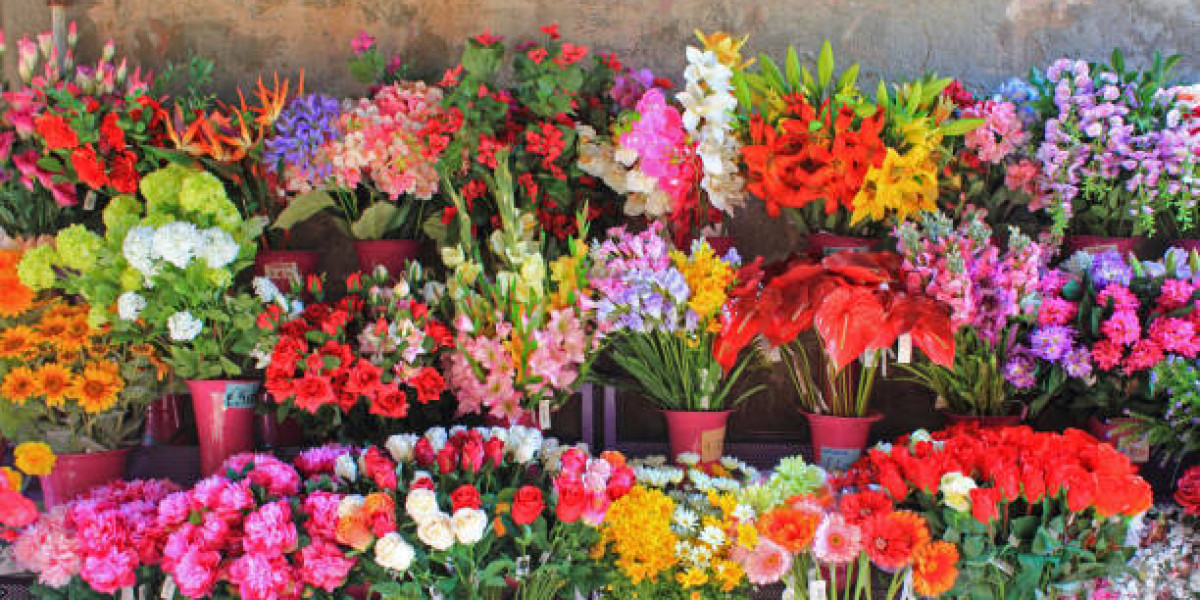

Floral Flavor Market is becoming an important area of experimentation as food manufacturers and culinary brands search for ways to create more distinctive sensory experiences. Consumers increasingly associate premium food with craftsmanship, originality, presentation, and memorable flavors. Floral profiles can support these characteristics by adding subtle aromatic complexity to a wide variety of products. They can be incorporated into desserts, confectionery, bakery items, beverages, dairy products, and specialty foods. Manufacturers can also combine floral notes with familiar flavors to balance innovation and consumer acceptance. This versatility gives product developers an opportunity to create sophisticated offerings that stand apart from conventional formulations while responding to broader trends toward premiumization and experiential consumption.
Growing interest in premium floral flavoring reflects the increasing role of distinctive taste profiles in premium food development. Premium products often rely on carefully designed sensory experiences to communicate quality and uniqueness. Floral notes can contribute to this positioning by providing an elegant character that complements sophisticated product concepts. They can be used subtly to enhance an existing flavor profile or more prominently to create a recognizable product identity. Developers must carefully consider intensity and balance to avoid overpowering other characteristics. When properly formulated, floral-inspired profiles can provide an appealing point of difference and support the creation of products designed around refined sensory experiences.
Artisanal food production is another area where floral flavors can create opportunities. Consumers interested in handcrafted foods often appreciate unusual flavor combinations and distinctive product stories. Artisan bakeries, confectionery makers, dessert brands, specialty beverage companies, and boutique food producers can use floral notes to develop limited-edition or signature products. These concepts can be connected with seasonal themes, culinary traditions, or creative interpretations. Product storytelling can further strengthen the appeal by explaining the inspiration behind the flavor. As consumers increasingly discover artisanal products through social media and specialty retail channels, floral flavors can help small and emerging brands create recognizable identities and encourage consumer curiosity.
Product presentation is particularly important for premium floral-inspired offerings. Consumers often make purchasing decisions based on the combination of flavor expectations, packaging, visual design, and brand storytelling. Floral themes can naturally contribute to attractive visual identities through elegant packaging, botanical imagery, and sophisticated product presentation. However, visual appeal needs to be supported by a consistent sensory experience. Manufacturers therefore need to ensure that the product delivers the flavor characteristics communicated through its branding. Consistency across taste, aroma, texture, and presentation can help build stronger consumer trust and reinforce premium positioning.
Flavor pairing is also becoming increasingly important as developers seek to make floral profiles more approachable. Pairing floral notes with familiar fruit, citrus, creamy, herbal, spice, or sweet characteristics can create balanced experiences that appeal to broader audiences. Product developers can experiment with different combinations depending on the intended category and consumer occasion. In desserts, floral profiles may complement creamy or fruit-based characteristics, while beverages may benefit from refreshing or citrus-oriented combinations. These pairings can also create opportunities for cross-category innovation. As manufacturers become more experienced with floral flavor development, the number of creative combinations available to them can continue expanding.
Consumer discovery is increasingly influenced by online food culture. Social media platforms, culinary creators, recipe websites, and digital communities expose consumers to new flavor concepts that may not have been familiar previously. Floral-inspired foods can perform particularly well in visual content because their themes can be connected with elegant presentation and creative product design. Brands can use digital platforms to introduce new products, share recipes, explain flavor pairings, and gather consumer feedback. This creates a direct connection between product development and consumer engagement. Digital discovery can therefore support the introduction of floral flavors while helping brands understand which concepts generate the strongest interest.
The future of the Floral Flavor Market is likely to be influenced by premiumization, artisanal food culture, creative flavor pairing, digital discovery, and continued product experimentation. Companies that focus on balanced formulations and meaningful consumer experiences can use floral flavors to create distinctive offerings across multiple categories. Opportunities may extend from specialty beverages and confectionery to bakery, desserts, dairy products, and innovative packaged foods. Continued consumer interest in culinary exploration can encourage manufacturers to develop new combinations and seasonal concepts. As the food industry increasingly emphasizes experience, creativity, and differentiation, floral flavors can provide an effective avenue for brands seeking to deliver sophisticated products with memorable sensory identities.
FAQs
Q1. How can floral flavors support premium food products?
They can add distinctive aroma and taste characteristics that contribute to sophisticated and memorable sensory experiences.
Q2. What flavors can complement floral profiles?
Fruit, citrus, herbal, spice, creamy, and sweet profiles can be combined with floral notes to create balanced formulations.
Q3. Why are artisanal brands interested in floral flavors?
Floral profiles can help artisanal producers create distinctive signature products, seasonal offerings, and compelling culinary stories.