
Choosing a suitable manufacturing partner can influence how a mobility product develops from an initial concept into a solution ready for everyday use. As a Mobility Scooter Factory , Sweetrichmobility brings together product development, manufacturing experience, and application-focused thinking to support businesses seeking practical mobility solutions. The goal is not simply to produce a scooter, but to create products that can respond to different users, environments, and market expectations.
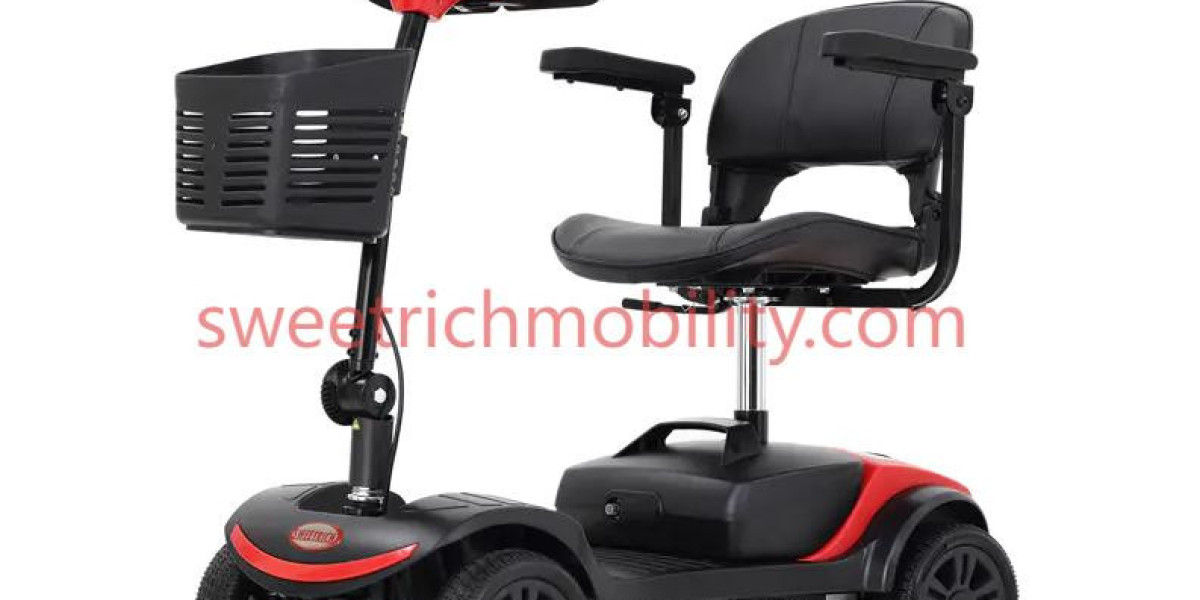
A useful mobility product begins with an understanding of how people interact with it. Steering, seating, controls, foot positioning, and overall proportions all contribute to the experience. When these elements are considered together, manufacturers can create a more coherent product structure that feels natural during regular use.
Product appearance is another part of the development process. Mobility equipment does not have to look disconnected from modern lifestyles. Clean lines, considered proportions, practical surfaces, and coordinated details can help create a product identity that suits contemporary consumers. For distributors, thoughtful styling can also make it easier to position different models for specific customer groups.
Flexibility matters when businesses serve varied markets. Customers may have different preferences regarding compactness, seating arrangements, control systems, storage solutions, or exterior details. Manufacturing cooperation that allows these aspects to be discussed and adjusted can give businesses more room to develop products around their intended audience.
Application environments should also influence product thinking. A scooter designed for neighborhood movement may require a different balance of features from one intended for shopping areas, residential spaces, or travel-oriented routines. Considering these environments during development helps manufacturers focus on practical interactions rather than treating every product as a generic mobility solution.
Material selection adds another layer to the process. Components need to work together as part of a complete structure, while their appearance and maintenance characteristics can also affect the finished product. Careful material coordination can support a design that is functional, visually consistent, and suitable for its intended environment.
For wholesalers, distributors, and product brands, communication can be just as important as manufacturing capability. Clear conversations about intended applications, product positioning, design preferences, packaging, and customization requirements can create a smoother development process. A manufacturer that listens carefully can better understand the purpose behind a project and respond with relevant production suggestions.
Customization can also help businesses build a product portfolio with a distinct character. Adjustments to colors, components, configurations, branding elements, and other details may allow a mobility solution to better reflect a particular market strategy. This approach gives businesses greater flexibility when developing products for different customer expectations.
Behind every mobility product is a simple human purpose: helping people move through daily life with greater convenience. Whether the journey involves visiting a local store, moving around a residential community, spending time outdoors, or completing ordinary errands, thoughtful engineering can make those moments easier to manage.
For businesses, this creates an opportunity to look beyond individual components and consider the complete product experience. A productive manufacturing relationship can connect design ideas, market knowledge, engineering considerations, and practical applications into one development process.
Your next mobility concept may already exist as a sketch, a market idea, or simply a conversation waiting to happen. Give that idea somewhere to go by visiting https://www.sweetrichmobility.com/product/ . A closer conversation could be the beginning of your next product direction.