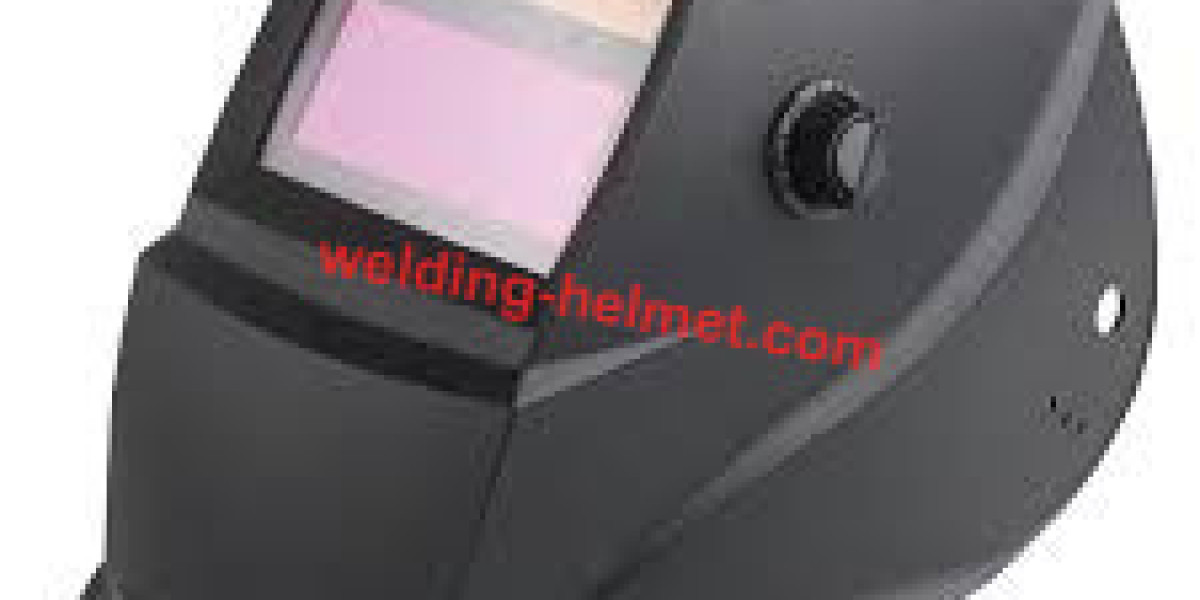

Welding creates intense light, heat, sparks, and ultraviolet and infrared radiation, making suitable personal protection an essential part of the working environment. A full face auto darkening welding helmet combines facial coverage with a filter designed to react when an arc appears, helping shield the user's eyes and face throughout different stages of a welding task. The welding-helmet platform presents equipment options for users seeking practical protection, comfortable operation, and suitable lens functions for workshop applications. But can this type of helmet provide consistent protection against welding arc exposure?
Consistency begins with the lens system. During welding, an arc can produce extremely bright radiation within a very short period. An auto darkening filter is designed to respond to the appearance of the arc and change its shade accordingly. When welding stops, the filter returns toward its lighter viewing state, allowing the operator to inspect the work area without repeatedly lifting the helmet. This automatic transition can create a smoother working rhythm while keeping the face covered.
The reaction process is particularly useful when a task involves repeated starts and stops. Traditional helmets may require the operator to raise and lower the shell whenever direct viewing is needed between welds. An automatic filter reduces this repeated movement by allowing the viewing window to remain in place. The operator can prepare a joint, position the torch, activate the arc, and continue working while the filter responds to changing light conditions.
Face coverage is another factor that deserves attention. Welding does not expose only the eyes to hazards. Sparks, hot particles, ultraviolet radiation, and radiant heat can affect exposed areas around the face. A full-face structure creates a physical barrier between the working area and the wearer, although the exact level of protection depends on helmet construction, lens specifications, fit, and applicable safety certification. Selecting equipment according to the actual welding process remains essential.
Lens quality also has an influence on everyday usability. A welding filter needs to provide a usable view of the workpiece before, during, and after welding. Clear observation can help the operator position materials, follow a joint, inspect a bead, and prepare for the next operation. If the viewing area causes unnecessary visual strain, a long welding session can become uncomfortable. Optical clarity, viewing area, shade adjustment, and filter performance should therefore be considered together.
Comfort plays a surprisingly important role in protective equipment. A helmet that feels awkward can affect how willingly an operator keeps it correctly positioned. Headgear adjustment, shell balance, cushioning, ventilation, and overall weight can influence the experience during extended work. A suitable design should remain stable without placing excessive pressure on the forehead or other contact points. Good fit also helps maintain the intended position of the viewing area.
Different welding methods can create different working conditions. MIG, TIG, stick welding, fabrication, repair work, and workshop projects may involve different arc characteristics and operating habits. The appropriate helmet should therefore correspond with the welding process and its optical requirements. Users should examine the filter range, sensitivity controls, delay settings, viewing specifications, and certification information before choosing a model for professional use.
Sensitivity adjustment can be useful in environments where several light sources are present. Workshop lighting, nearby welding activity, reflective surfaces, and changing working positions may influence how an optical sensor detects an arc. A suitable adjustment system gives the operator an opportunity to configure the response according to the working environment. This does not replace safe operating procedures, but it can contribute to a controlled user experience.
Delay control is another practical feature. After an arc disappears, the filter does not necessarily need to return to its light state immediately. A delay setting can allow the darker state to remain briefly, which may be useful when residual brightness or repeated welding activity is present. The appropriate setting depends on the process, workpiece, and operator preference, so users should follow the manufacturer's instructions when making adjustments.
Power management also matters for automatic helmets. Depending on the model, the filter may use replaceable batteries, rechargeable power, solar assistance, or a combination of power sources. Operators should understand the power system before starting a welding session. A protective device should not be used when its filter is not functioning as intended. Routine inspection of the lens, sensors, power source, headgear, and shell can help identify issues before work begins.
Storage and cleaning should receive similar attention. Grinding dust, metal particles, smoke residue, and workshop debris can accumulate around protective equipment. The outer surface and viewing area should be cleaned according to the manufacturer's instructions, while scratches or damaged components should be evaluated before continued use. Careful handling also helps preserve the condition of the viewing window and adjustment mechanisms.
A professional welding environment may involve long periods of fabrication, repair, assembly, or maintenance. In such settings, protective equipment becomes part of the operator's daily routine rather than an occasional accessory. The combination of full-face coverage, automatic shade response, adjustable settings, and ergonomic headgear can support a practical working experience when the selected model matches the application and relevant safety requirements.
The welding-helmet range is intended to give welding users access to helmet solutions suited to different working situations, with attention to protective coverage, optical functions, comfort, and practical operation. When selecting a model, buyers can consider the welding process, lens characteristics, viewing requirements, adjustment functions, headgear design, power arrangement, and applicable certification instead of focusing on a single feature.
For manufacturers, distributors, workshops, and individual welders, equipment selection is closely connected with the actual conditions of daily work. A helmet intended for occasional fabrication may have different priorities from equipment used throughout a busy production environment. Understanding these differences can make product evaluation more focused and can help users select protective equipment that corresponds with their tasks.
A suitable helmet should also fit naturally into established safety procedures. Protective equipment works as one part of a broader system that includes proper ventilation, suitable clothing, gloves, work area preparation, equipment inspection, and correct welding practices. No helmet should be treated as a substitute for established safety measures. Users should always follow applicable regulations and the instructions supplied with the selected product.
For companies seeking information about welding protection equipment and related helmet solutions, https://www.welding-helmet.com/product offers a convenient source for reviewing product information and understanding available options. A properly selected Full Face Auto Darkening Welding Helmet, combined with correct settings, suitable maintenance, and responsible operating practices, can provide practical support for workers facing repeated welding arc exposure.