
Can a Dark Tail Lights Supplier Offer LED Tail Lights for Different Vehicle Models?
Vehicle lighting is no longer treated simply as a functional component. For drivers, distributors, workshops, and automotive customization businesses, rear lighting can also shape the character of a vehicle. Different body structures, mounting areas, electrical systems, and styling preferences create distinct requirements, so choosing a suitable Dark Tail Lights Supplier involves several considerations. Carlamp-Factory, associated with BaoZhiWei, provides an online platform where buyers can explore automotive lighting solutions and review products intended for different applications. But can one supplier really accommodate the varied requirements of different vehicle models?
A vehicle tail lamp needs to fit its intended installation area without creating unnecessary complications during assembly. Sedans, pickup trucks, SUVs, vans, commercial vehicles, and modified cars can have completely different rear structures. Lens shapes, housing dimensions, mounting points, wiring arrangements, and illumination patterns may vary according to the vehicle platform. For this reason, suppliers serving the automotive sector need to consider application differences rather than relying on one universal configuration.
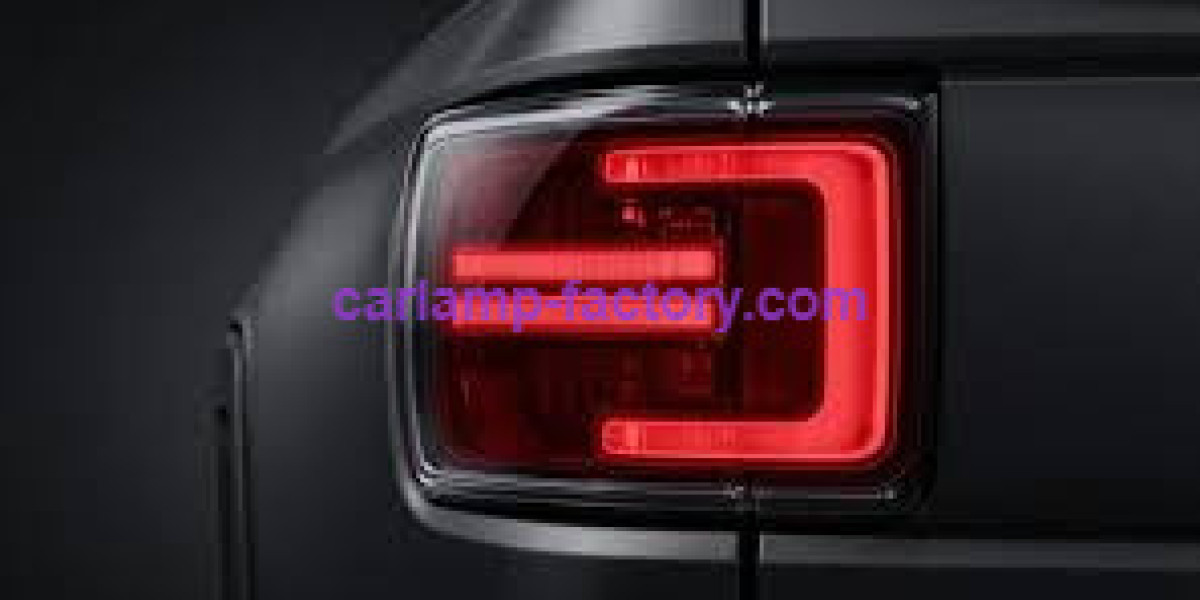
LED technology gives automotive lighting designers considerable freedom. Different LED arrangements can create distinctive illumination signatures while fitting into compact housings. Horizontal strips, segmented patterns, compact modules, and combined layouts can all be considered according to the available space. Such flexibility allows rear lamps to complement different body styles while retaining their essential signaling functions.
Vehicle fitment remains an important part of product selection. Two vehicles that look similar from the outside may still use different tail lamp structures. A slight change in mounting position can affect installation, alignment, and the visual connection between the lamp and bodywork. Buyers therefore benefit from checking dimensions, mounting arrangements, connector types, and applicable vehicle information before confirming an order.
Appearance is another factor attracting attention in automotive customization. Dark finishes can create a restrained and contemporary character, particularly when paired with black trim, metallic paint, sporty body kits, or other exterior details. Smoked lenses and dark housings can give a vehicle a distinctive appearance, while the internal lighting arrangement still needs to provide recognizable signaling during appropriate operating conditions.
Material selection also influences the service performance of a tail lamp. Rear lighting components may encounter sunlight, rain, temperature changes, vibration, dust, and road debris during regular use. Lens material, housing construction, sealing methods, internal components, and surface treatment can therefore affect the overall product experience. Buyers handling wholesale or project-based sourcing should consider these technical elements alongside styling preferences.
Electrical compatibility deserves careful attention when selecting LED rear lighting. Vehicle electrical systems can differ between models and production generations. A lamp designed for one application may require a different connector or wiring arrangement for another. Certain vehicles can also monitor lighting circuits electronically, making suitable electrical characteristics important during replacement or customization. Clear communication between a supplier and buyer can help prevent avoidable compatibility issues.
Customization can be valuable for distributors and automotive businesses handling several vehicle categories. A flexible manufacturing partner may support variations involving housing shape, lens appearance, internal LED layout, mounting structure, and other specifications. This approach gives buyers room to develop products for different market segments without limiting every project to one fixed design.
For wholesale purchasers, production consistency is also worth examining. A retailer or distributor may need several tail lamp designs covering different vehicle applications. Consistent manufacturing practices can simplify inspection, packaging, inventory planning, and customer communication. Clear application information can also help purchasing teams distinguish between visually similar products intended for separate vehicle models.
The online purchasing experience can influence the early stage of product selection. Buyers often begin with a general requirement and gradually narrow their choices according to vehicle type, installation conditions, appearance, electrical requirements, and intended use. A dedicated automotive lighting website can provide a convenient starting point for reviewing product categories and understanding the range of available solutions, especially for international buyers preparing a sourcing project.
For workshops and customization specialists, design flexibility can be especially useful. A replacement lamp may restore a vehicle's original appearance, while a customized unit can support a particular exterior theme. The appropriate choice depends on the vehicle structure, project purpose, target market, and local requirements. Technical information from a supplier can make this evaluation easier than relying on product photographs alone.
Regulatory requirements should also remain part of the selection process. Lighting rules vary between regions and vehicle categories, particularly regarding color, intensity, signaling visibility, installation position, and road use. Buyers considering dark-finish rear lamps should review the requirements applying to their intended market before installation or distribution. A visually distinctive design should always remain compatible with responsible and lawful vehicle use.
For importers, communication with a Dark Tail Lights Supplier can influence the efficiency of an entire sourcing project. Questions concerning samples, vehicle applications, packaging, customization, connector types, mounting structures, production arrangements, and shipping preparation can be discussed before an order moves forward. This is particularly useful when a buyer is building a product range covering several vehicle platforms rather than purchasing a single replacement component.
Carlamp-Factory presents automotive lighting products through its online platform, giving buyers a place to review tail lamps, headlights, and related vehicle lighting categories. Its association with BaoZhiWei reflects a manufacturing-oriented business background, while the website offers product information for buyers researching potential applications. Businesses comparing suppliers can examine product construction, application details, customization possibilities, and communication support as part of their purchasing process.
Different vehicle models naturally require different lighting approaches. A compact passenger car may need a slim housing with carefully arranged LED elements, while an SUV can accommodate a wider rear lamp structure. A pickup truck may require a different housing arrangement, whereas a customized vehicle may place greater emphasis on visual integration. These differences demonstrate why flexibility is important when developing automotive lighting products for varied applications.
The sourcing process can begin with a clear list of target vehicle models, installation conditions, styling preferences, electrical requirements, and applicable regulations. Buyers can then compare product structures and supplier capabilities according to their individual project needs. Product information available at https://www.carlamp-factory.com/ can serve as a starting point for examining automotive lighting options and identifying suitable directions for different vehicle projects. With careful product selection and clear technical communication, can a flexible supplier make multi-model LED tail light sourcing easier to manage?