
Wet asphalt and wet concrete don't grip the same way wet dirt or grass does. Trail surfaces have texture that gives rubber something to bite into even when soaked, while pavement often turns into a smooth, thin film of water sitting over a hard, flat surface. That film reduces contact between rubber lugs and the ground far more than most runners expect, which is why a shoe that feels steady on a wet trail can still slide on a rain-slicked sidewalk or crosswalk paint. Painted lane markings, manhole covers, and worn asphalt patches are usually the slickest points on any wet route.
How the CloudTec Outsole Responds to Standing Water
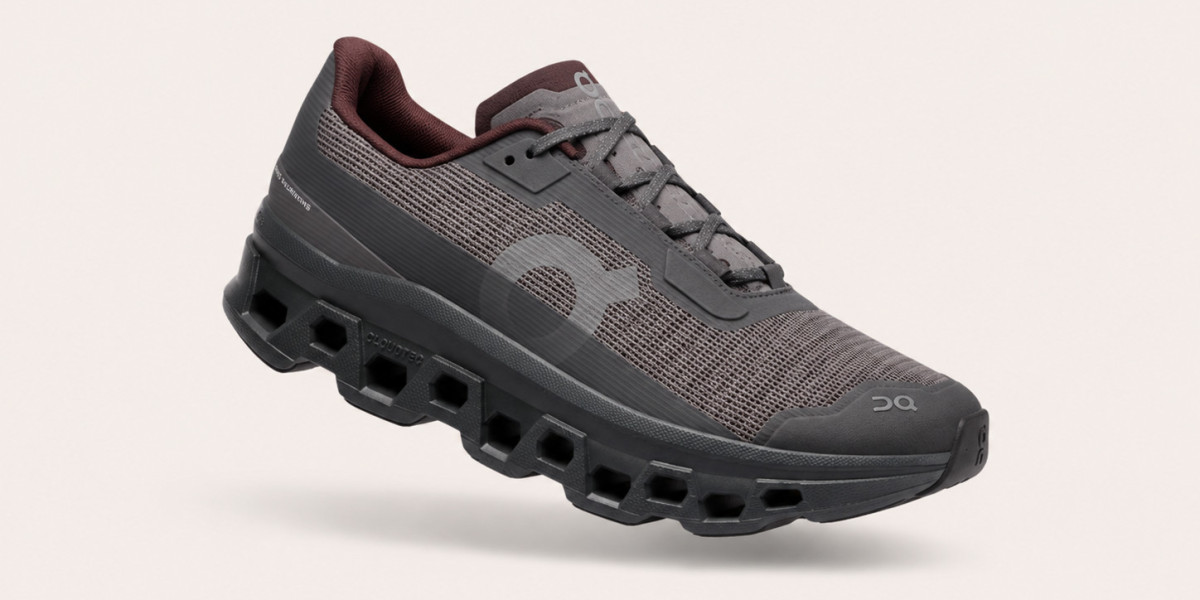
On's outsole uses individual rubber pods rather than one solid slab, and this changes how the shoe behaves once water gets involved. Each pod compresses on its own, which lets the sole flex around small surface changes and push some water out from underneath the foot rather than gliding on top of it. On dry ground this pod layout is mostly about cushioning and response, but on wet pavement https://onrunningg.us/on-cloud/ adds an extra benefit: the gaps between pods act as tiny channels that water can escape through instead of building up under the forefoot.
Grip Behavior at Different Paces on Wet Ground
Slow to moderate paces on wet pavement rarely expose grip problems, since the foot lands and rolls through with less shear force. Grip issues on wet ground usually show up during sudden pace changes — sprinting to beat a crossing signal, cutting a corner, or stopping short at a curb. During testing on soaked asphalt, On Cloud shoes held a stable line through steady running but showed more slip during hard braking steps and sharp turns, which lines up with how most rubber compounds behave once speed and water combine. Runners who train through rainy seasons should expect the biggest grip loss during starts, stops, and direction changes rather than straight-line running.
Rubber Compound and Temperature Effects
Rubber softens slightly as it warms and stiffens as it cools, and that shift matters on wet pavement more than on dry ground. A softer, warmer outsole tends to grip better in light rain during summer runs, while the same shoe can feel noticeably less planted on a cold, wet morning when the rubber hasn't loosened up yet. On's outsole compound sits on the firmer side compared to some running shoe brands, which helps it hold shape over long distances but means cold-weather wet runs deserve a slightly more careful first mile while the rubber warms through use.
Comparing Cloud Models on Wet City Streets
The Cloudmonster's larger, softer pods spread contact across a wider area, which gave it a steadier feel on painted crosswalks and smooth manhole covers during testing. The Cloudsurfer's firmer, more segmented outsole responded quickly on dry pavement but showed a touch more hesitation on wet tile-like surfaces near building entrances. The Cloudrunner sat in the middle of both, offering dependable grip on ordinary wet sidewalks and asphalt without excelling in either direction. None of the models tested slipped badly on plain wet concrete, but the gap between them widened once painted lines, metal grates, or polished stone entered the route.
Where Wet Pavement Grip Breaks Down Fastest
Certain surfaces caused more slip than plain wet asphalt across every model tested. Painted crosswalk lines and road markings were consistently the slickest points, since paint holds a thinner, smoother water layer than rough pavement. Metal grates, manhole covers, and storm drain covers came in close behind, especially when partly rusted or worn smooth. Polished stone entryways outside office buildings and transit stations also reduced grip noticeably, even at a light jog. Knowing which surfaces along a regular route fall into these categories helps more than any single shoe choice, since even a well-gripping shoe slows down on these spots.
Insole and Midfoot Lockdown During Wet Runs
Grip at the outsole only matters if the foot stays anchored inside the shoe, and wet conditions make lockdown more noticeable than dry ones. A foot that shifts slightly inside a damp shoe changes how weight lands on the outsole, which can turn a stable step into a sliding one. On's lacing setup, paired with the speedboard found in several Cloud models, kept the midfoot steady enough during testing that most of the slip observed came from the outsole-to-pavement contact rather than the foot moving inside the shoe. Runners noticing slip on wet routes should check lace tension before assuming the outsole is the only factor.
Getting a Clearer Read on Grip for Your Own Routes
Lab and controlled testing only tells part of the story, since every city street has its own mix of asphalt age, paint condition, and drainage. Running a short, familiar wet-weather loop in a new pair of Cloud shoes gives a more accurate sense of how the outsole handles the specific crosswalks, grates, and curbs on a regular route. Paying attention to where slip actually happens — rather than assuming the whole run is equally risky — makes it easier to slow down at the right spots and keep a normal pace everywhere else.