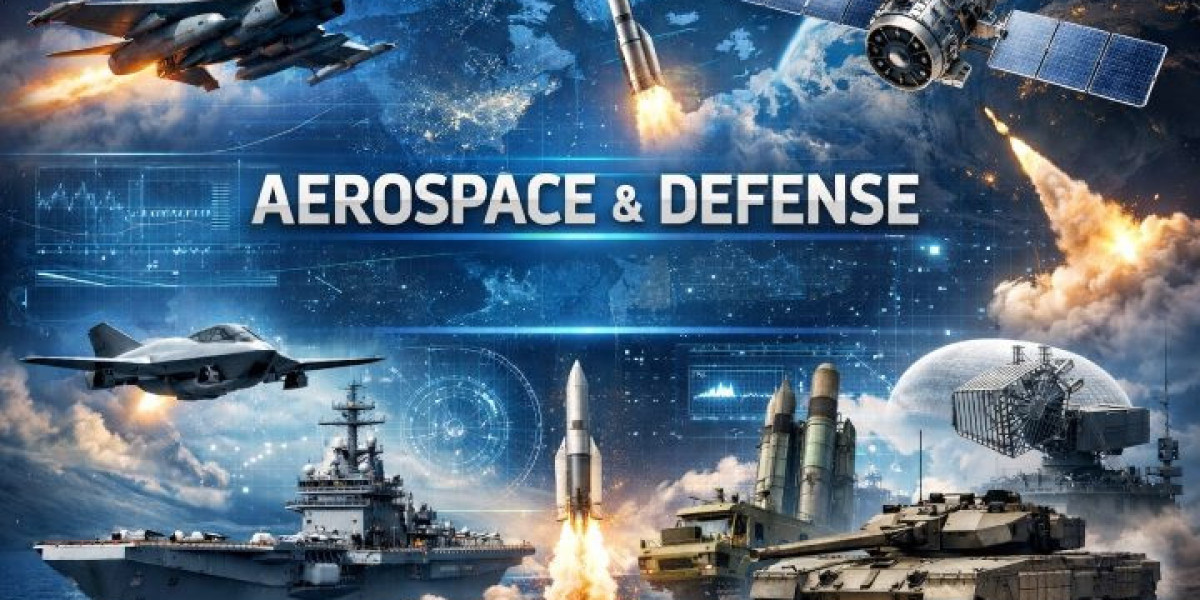

The Military Embedded Systems Market is experiencing increasing demand across aircraft, ground vehicles, naval vessels, unmanned platforms, communication systems, radar equipment, and command-and-control infrastructure. As defense platforms become more connected and technologically sophisticated, embedded computing is becoming essential for controlling equipment, processing information, and supporting mission operations.
The increasing adoption of rugged military computing systems is enabling defense organizations to deploy reliable computing capabilities in challenging environments. These systems are designed to operate under conditions that can be unsuitable for conventional commercial electronics.
Military aircraft represent a significant application area. Modern fighter aircraft, transport aircraft, helicopters, and surveillance platforms depend on embedded systems for flight management, navigation, communications, radar, weapons management, electronic warfare, and mission computing.
Avionics systems increasingly require high-performance processors because aircraft generate and process large volumes of data. Sensors, radar, cameras, communications equipment, and navigation systems must operate together with minimal latency.
Unmanned aerial vehicles are another major area of demand. Military drones can use embedded processors for flight control, navigation, imaging, communications, and autonomous functions. As unmanned platforms become more sophisticated, their computing requirements are expected to increase.
Ground vehicles also depend on embedded technology. Armored vehicles can integrate systems for navigation, communications, surveillance, vehicle health monitoring, and battlefield awareness. Embedded systems allow multiple functions to operate within a unified electronic architecture.
Naval vessels represent another important market. Ships and submarines require embedded systems for navigation, radar, sonar, communications, propulsion management, and other mission-critical functions. The harsh marine environment makes reliability and ruggedization particularly important.
Missile and precision systems also rely on embedded electronics for guidance, navigation, control, and sensing. These applications require highly reliable systems capable of functioning under demanding conditions.
Command-and-control systems benefit from embedded computing because they need to process information from multiple sources. Data from sensors, communications systems, and other platforms can be combined to provide commanders with improved situational awareness.
Electronic warfare is another technology area where embedded systems play an important role. Military platforms require high-speed signal processing to identify, analyze, and respond to electromagnetic activity.
Cybersecurity is increasingly important across all these applications. Military systems can contain sensitive information and control critical functions, making them attractive targets for cyber threats. Secure hardware and software architectures are therefore becoming essential.
The Internet of Military Things is also contributing to demand. Increasing numbers of connected sensors and platforms create the need for distributed computing and secure communications.
Artificial intelligence can further increase the value of embedded systems. AI-enabled processors can analyze sensor information locally, reducing latency and supporting faster decision-making.
The demand for interoperability is also increasing. Modern defense operations often involve multiple platforms and technologies from different suppliers. Open standards and modular architectures can simplify integration.
Long operational lifecycles create another important requirement. Military platforms may remain in service for decades, requiring embedded systems that can be upgraded and maintained over time.
Manufacturers therefore need to consider component availability, software support, cybersecurity updates, and compatibility when designing military embedded systems.
The market is expected to benefit from continued defense modernization and increasing investments in autonomous and connected platforms. As military organizations seek greater situational awareness and faster decision-making, demand for reliable embedded computing is likely to remain strong.
Overall, aircraft, naval platforms, ground vehicles, unmanned systems, missiles, electronic warfare equipment, and command systems will continue to provide important opportunities for embedded technology suppliers.
FAQs
1. Which defense platforms use embedded systems?
Aircraft, naval vessels, ground vehicles, missiles, drones, radar systems, and command-and-control platforms all use embedded systems.
2. Why are military embedded systems different from commercial systems?
They often need to withstand extreme environmental conditions and meet demanding requirements for reliability, security, and long-term availability.
3. Are drones increasing demand for embedded systems?
Yes. Autonomous and remotely operated platforms require onboard processors for navigation, control, sensing, communications, and data processing.