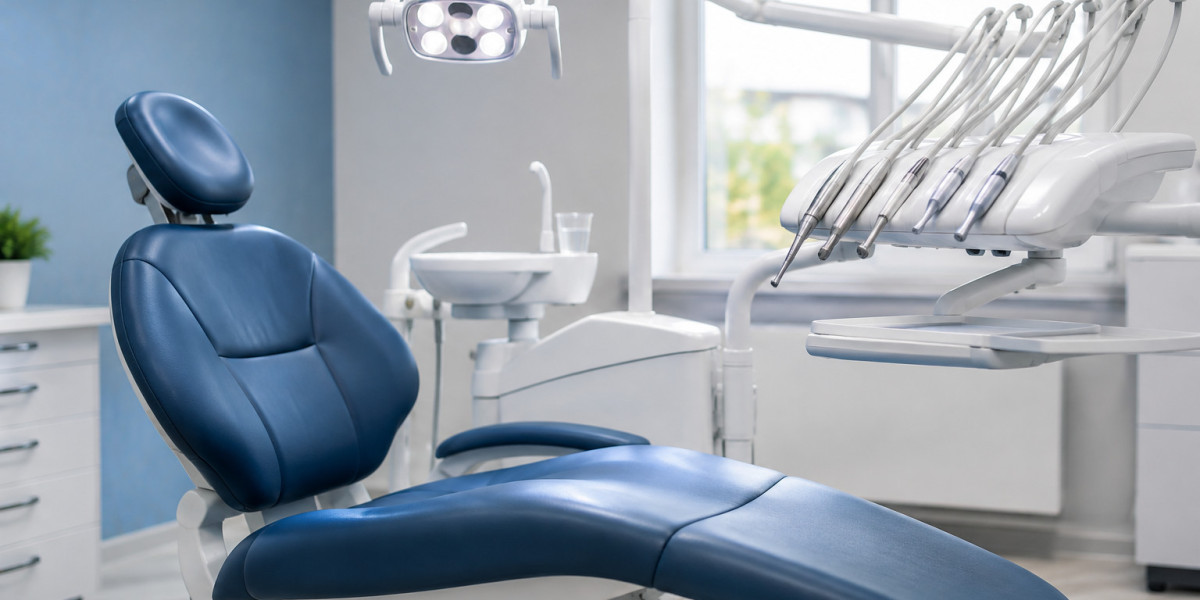

When severe tooth pain, facial swelling, a broken tooth, uncontrolled bleeding, or a dental infection appears suddenly, finding an Emergency Dentist in Charlotte can help you receive timely evaluation before the problem becomes more complicated. Dental emergencies can occur without warning, and delaying professional care may allow an infection or injury to worsen. For Charlotte residents, knowing which symptoms require immediate attention and what treatment may involve can make an unexpected dental problem easier to manage.
Urgent dental care is generally appropriate when symptoms are severe, rapidly worsening, or associated with trauma, swelling, infection, or significant bleeding. While some minor dental problems can safely wait for a routine appointment, conditions such as a knocked-out permanent tooth, dental abscess, severe toothache, or facial swelling should be professionally assessed as soon as possible.
What Counts as a Dental Emergency?
A dental emergency is a problem that requires prompt professional attention because postponing treatment could increase pain, infection risk, tissue damage, or the possibility of losing a tooth.
Common examples include:
- Severe or persistent toothache
- A broken, cracked, or severely damaged tooth
- A knocked-out permanent tooth
- Dental abscesses or signs of infection
- Significant swelling around the gums, jaw, or face
- Uncontrolled bleeding after dental trauma
- Serious injuries involving the teeth or mouth
- Dental pain accompanied by fever or difficulty swallowing
Not every toothache is an emergency, but intense pain that interferes with eating, sleeping, or normal daily activities deserves attention. Similarly, swelling should not be ignored because it may indicate an underlying infection.
Why Prompt Treatment Matters
Dental infections can progress when the underlying cause remains untreated. The CDC notes that untreated cavities can cause pain and infections, and in severe cases an untreated cavity can develop into an abscess. Rarely, a serious infection can spread beyond the mouth and become life-threatening.
Recent national data also demonstrate how widespread untreated dental problems remain. The CDC reports that approximately 21% of U.S. adults ages 20–64 have at least one untreated cavity. NIDCR data from the 2017–March 2020 period similarly found untreated decay in 20.5% of adults in that age range.
These figures help explain why sudden dental pain remains a significant healthcare concern. Treating the cause early may prevent a relatively manageable dental problem from developing into a more complicated emergency.
Warning Signs of a Dental Infection
An infection may begin with localized discomfort but can become more noticeable as it progresses. Warning signs can include throbbing tooth pain, sensitivity, gum tenderness, swelling, a bad taste in the mouth, pus around a tooth, fever, or swollen lymph nodes.
Facial or jaw swelling deserves particular attention. If swelling is accompanied by difficulty breathing or swallowing, emergency medical attention should be sought immediately because these symptoms can indicate that an infection is affecting areas beyond the tooth.
Antibiotics are not automatically the solution for every dental infection. In many cases, definitive dental treatment is necessary to address the source of the problem. A dental professional can determine whether treatment may involve drainage, restoration, root canal therapy, extraction, or another procedure.
What to Do Before Reaching a Dentist
Knowing how to respond during the first few minutes can be useful.
For a knocked-out permanent tooth, handle the tooth carefully by the crown rather than the root. If possible, gently rinse it without scrubbing and seek urgent professional care. A cold compress placed on the outside of the face may help reduce swelling after an injury.
For a severe toothache, gently rinsing the mouth with warm water can help remove debris. Flossing carefully may also remove food trapped between teeth. Over-the-counter pain medication may provide temporary relief when used according to its label and when medically appropriate.
Do not place aspirin directly against the gums or tooth, as this can irritate or burn oral tissues. Home measures should be viewed as temporary steps rather than substitutes for professional diagnosis and treatment.
Emergency Dental Care in Charlotte, NC
Charlotte is a large and growing metropolitan area, so access to timely healthcare can be especially important when dental symptoms appear outside a routine appointment schedule. Residents searching for emergency dental care in Charlotte, NC should consider factors such as the urgency of their symptoms, the location of the dental office, availability of appointments, and whether the practice handles the type of problem they are experiencing.
For patients in the Charlotte area, a conveniently located dental office can make it easier to obtain prompt evaluation when unexpected pain or injury occurs. The practice at 1824 East Arbors Drive, Charlotte, NC, provides a local point of contact for individuals seeking assistance with urgent dental concerns.
How Common Are Dental Emergencies?
The need for urgent dental treatment is not limited to isolated cases. According to the CDC, there were approximately 2.1 million emergency-room visits for dental emergencies in 2017. The CDC also estimates that more than 34 million school hours are lost annually because of unplanned dental care and that nearly $46 billion in U.S. productivity is lost each year because of untreated oral disease.
The American Dental Association has also reported an estimated 2 million hospital emergency-department visits each year for dental pain. The organization emphasizes connecting patients with dental providers who can address the underlying cause rather than relying solely on hospital-based emergency treatment.
These statistics demonstrate why accessible dental services are important—not only for relieving immediate discomfort but also for reducing the consequences associated with untreated oral conditions.
When Should You Seek Immediate Help?
A practical rule is to seek urgent dental evaluation when pain is severe, persistent, or accompanied by swelling, bleeding, trauma, fever, or signs of infection. A knocked-out permanent tooth should also be treated as time-sensitive.
However, symptoms involving breathing difficulties, swallowing difficulties, rapidly increasing facial or neck swelling, or other signs of a potentially spreading infection may require immediate emergency medical attention rather than waiting for a standard dental appointment.
When in doubt, contacting a dental professional and describing the symptoms can help determine the appropriate level of care.
Preventing Future Dental Emergencies
Many urgent dental problems develop from conditions that could have been identified earlier. Regular dental examinations, professional cleanings, fluoride use when recommended, daily brushing with fluoride toothpaste, flossing, and prompt treatment of cavities can reduce the likelihood of more serious problems.
The CDC emphasizes that cavities are largely preventable and recommends preventive strategies such as fluoride and routine dental care.
Protective measures also matter for people who participate in sports or activities where facial injuries are possible. Wearing an appropriate mouthguard can reduce the likelihood of dental trauma.
Final Thoughts
A sudden toothache, broken tooth, swelling, infection, or dental injury should not automatically be dismissed as something that will disappear on its own. Recognizing warning signs and seeking appropriate care promptly can help protect oral health and reduce the chance of complications.
For residents looking for local assistance, Emergency Dentist in Charlotte services can provide an important option when an unexpected dental problem requires timely professional evaluation. Emergency Dentist Charlotte is committed to helping patients address urgent dental concerns with accessible local care.