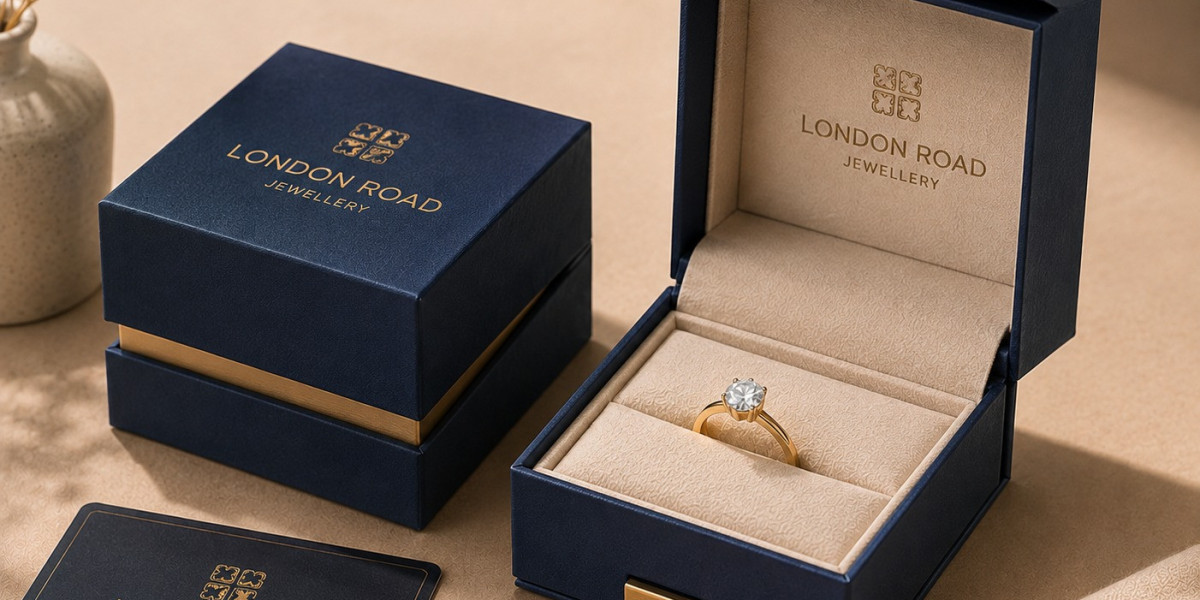

Packaging is more than a protective layer around a product. For many premium brands, it is one of the first physical points of contact between the customer and the business. Luxury Rigid Boxes allow brands to combine structured packaging with custom materials, colors, finishes, dimensions, and interior layouts, while provides custom packaging options for businesses looking to create consistent product presentation. When these elements are planned around an established visual identity, packaging can help customers recognize a product and connect it with the wider brand experience.
Why Packaging Is Part of Brand Identity
Brand identity is often associated with a logo, website, color palette, or advertising campaign. However, customers experience a brand through many physical and digital touchpoints.
Packaging is one of those touchpoints.
When a customer receives a product, the box may be the first branded object they physically handle. Its shape, material, color, typography, and opening mechanism can communicate information about the product before it is even removed from the package.
For premium products, this interaction can be particularly important.
A well-planned package should feel connected to the product rather than looking like a separate element added at the end of the production process.
How Luxury Rigid Boxes Support Brand Recognition
Brand recognition develops through consistent visual and physical details.
A company may use a specific color, logo treatment, typography, texture, or finishing technique across different customer touchpoints.
The same principles can be applied to packaging.
For example, a jewelry company might use a dark textured exterior, a specific typeface, and a small metallic logo across its packaging. A customer may begin to associate these details with the company.
The packaging does not create brand recognition by itself, but consistent packaging can reinforce the visual cues customers already associate with the brand.
Custom Structure Makes Packaging More Distinctive
The physical shape of a package can also become part of its identity.
Rigid packaging can be produced in several structures, including two-piece boxes, magnetic closure boxes, drawer boxes, shoulder-neck boxes, hinged-lid boxes, and book-style boxes. Custom-shaped options can also be considered when a product or campaign requires a different format. (eliterigidboxes.com)
The structure should be selected according to the product.
A watch may benefit from a hinged or magnetic presentation box with a dedicated holder. A cosmetic gift set may need several compartments, while a fragrance bottle may require a fitted interior.
When the same structural approach is used across a product collection, it can become part of the brand's packaging language.
Color Selection and Brand Consistency
Color is one of the quickest visual elements customers notice.
Packaging colors should generally connect with the brand's established palette.
This does not mean every box needs to use exactly the same color.
A brand can establish primary and secondary colors for different product ranges while maintaining a consistent appearance.
For example, a cosmetics company might use one primary color for its core collection and introduce complementary shades for individual product lines.
The key is to maintain enough consistency for customers to recognize the relationship between different packages.
Typography and Logo Placement
Typography plays a quieter but important role in packaging design.
The typeface, size, spacing, and hierarchy of text can influence how a package looks and communicates information.
A brand may use one typeface for its logo and another for supporting information, provided the combination remains consistent with its visual guidelines.
Logo placement should also be deliberate.
A logo does not need to cover a large portion of the box to be noticeable. In many premium packaging designs, a restrained logo treatment can provide a clearer visual result.
Product names, collection names, care instructions, and other information should also have a clear hierarchy.
The customer should be able to identify the brand and product without searching through excessive text.
Materials and Texture Shape Brand Perception
Brand identity is not purely visual.
Customers also experience packaging through touch.
The surface of a rigid box can influence how the package feels in the hand.
Textured papers can provide visible and tactile grain. Linen-style materials can create a distinctive surface. Soft-touch coatings provide a smooth finish, while felt or suede-effect materials can introduce a softer tactile quality.
Kraft and uncoated papers can support a more natural visual direction.
The selected material should reflect the brand and product rather than being chosen simply because it is described as premium.
A material should also be appropriate for the intended handling and packaging structure.
Finishing Techniques That Reinforce Visual Identity
Finishing techniques can help highlight specific brand elements.
Common options include:
- Foil stamping
- Embossing
- Debossing
- Matte lamination
- Gloss lamination
- Soft-touch coating
- Spot UV
Foil stamping can draw attention to a logo or product name. Embossing creates a raised surface, while debossing produces a recessed effect.
Matte surfaces can provide a softer visual appearance, while gloss finishes can create contrast.
The important consideration is consistency.
If a brand repeatedly uses a particular foil color or embossed logo treatment, that detail can become part of its packaging identity.
Using every available finishing technique on one box, however, can make the design difficult to read.
Consistency Across Different Product Lines
Growing brands often have multiple products that require different packaging dimensions.
A fragrance bottle, watch, necklace, cosmetic set, and gift box cannot necessarily use the same box size or interior.
However, they can still belong to the same packaging family.
A consistent system can be created through:
- Similar logo placement
- Shared colors
- Consistent typography
- Related surface materials
- Repeated finishing techniques
- Similar interior details
This allows individual packages to remain functional while still looking connected.
For example, a jewelry collection can use different box sizes for rings, necklaces, bracelets, and watches while keeping the same exterior material and branding treatment.
Custom Inserts Are Part of the Brand Experience
Brand identity does not stop at the outside of the box.
When the customer opens the Elite Rigid Boxes package, the interior becomes part of the experience.
A custom insert can position the product correctly and create an organized presentation.
Depending on the product, brands can consider:
- Velvet-wrapped inserts
- Flocked trays
- Foam or EVA
- Cardboard dividers
- Product holders
- Molded pulp
- Paper-wrapped structures
The insert should support the product while maintaining the visual direction of the packaging.
For jewelry, individual slots can separate pieces. For a gift set, compartments can keep multiple products organized. For electronics, dedicated sections can separate the main device from accessories.
A structured interior can make the package feel more deliberate and easier to use.
Packaging and the Unboxing Experience
The way a box opens can influence how customers interact with the product.
Different structures create different opening experiences.
A magnetic closure box provides a controlled hinged opening. A drawer box creates a sliding reveal, while a two-piece box uses a straightforward lift-off format.
The opening mechanism should match the product and brand.
A complicated opening process is not necessarily better.
Customers should be able to understand how the package works and access the product without unnecessary effort.
The interior should also be arranged so that the product is presented clearly when the box is opened.
Luxury Rigid Boxes for Different Product Categories
Different industries can use rigid packaging in different ways.
Jewelry
Jewelry packaging often requires small, precise compartments and holders.
The packaging can use consistent materials and finishing across rings, bracelets, necklaces, and earrings.
Watches
Watch packaging may include dedicated cushions or holders.
The structure needs to provide support while keeping the watch visible when the box is opened.
Cosmetics
Cosmetic brands can use rigid boxes for individual products or collections.
Dividers can separate bottles, jars, tubes, and accessories.
Fragrance
Perfume bottles often require fitted inserts because glass containers can move within a package that is too large.
Fashion and Accessories
Belts, wallets, shoes, apparel, and handbags can use larger rigid structures designed around their individual dimensions.
Gift Products
Gift packaging often places greater emphasis on product arrangement and presentation because the packaging becomes part of the gifting experience.
Balancing Brand Identity With Functionality
Packaging should represent the brand without becoming impractical.
A box may look attractive but still create problems if it is difficult to open, too heavy to ship, unnecessarily large, or poorly fitted to the product.
Brands should consider:
- Product protection
- Box dimensions
- Product weight
- Storage space
- Shipping requirements
- Opening mechanism
- Interior support
- Reusability
A practical package can still have a distinctive visual identity.
In fact, good functionality can strengthen the overall customer experience because the packaging works as expected.
Packaging for Retail and E-Commerce
The sales channel can also affect packaging design.
Retail packaging needs to work on shelves and displays. The logo and product information may need to remain visible from different angles.
E-commerce packaging has additional transportation considerations.
A presentation box can be placed inside an outer shipping carton so that the branded package is protected during delivery.
Brands should also consider shipping dimensions and weight.
For businesses handling large order volumes, collapsible rigid packaging may help reduce storage and transportation volume while retaining the appearance of a structured presentation. (eliterigidboxes.com)
The packaging system should therefore work both as a brand touchpoint and as part of the fulfillment process.
Sustainability and Brand Values
Material choices can also communicate certain brand values.
Brands may consider recycled board, kraft materials, paper-based inserts, molded pulp, water-based inks, and aqueous coatings where suitable.
Collapsible rigid structures can also reduce the volume occupied during transportation.
However, sustainability should not be reduced to one material or one finishing choice.
Brands should consider the complete packaging system, including sourcing, manufacturing, transportation, product protection, reuse, and disposal.
The right choice depends on the product and the practical requirements of the packaging.
Building a Consistent Rigid Packaging System
Brands can make packaging development easier by establishing clear guidelines.
Start with the visual identity and determine the elements that should remain consistent.
These may include:
- Brand colors
- Typography
- Logo placement
- Preferred materials
- Finishing techniques
- Box structures
- Interior design
- Product information layout
The dimensions can then be adapted for individual products.
This creates flexibility without losing consistency.
A new product can have its own box size and insert while still looking like part of the same collection.
Why Physical Sampling Matters
Before final production, a physical sample should be evaluated.
A digital design cannot fully communicate how the material feels, how the box opens, or how the product fits inside.
Testing a physical sample allows the brand to review:
- Product fit
- Box proportions
- Logo placement
- Color reproduction
- Material texture
- Finishing
- Insert positioning
- Closure performance
- Opening experience
The actual product should be placed inside the sample during testing.
This can reveal problems that may not be visible in a digital mock-up.
It also gives the brand an opportunity to make changes before committing to a larger production quantity.
Conclusion
Luxury rigid packaging can become a useful physical extension of a brand's identity when its visual and structural elements are planned consistently.
Luxury Rigid Boxes provide opportunities to customize the structure, dimensions, materials, inserts, closures, colors, and finishes according to the product and brand requirements.
The strongest packaging identity does not necessarily come from excessive decoration. Consistent typography, recognizable colors, thoughtful logo placement, appropriate materials, and repeatable finishing details can create a clear connection between different products.
At the same time, the packaging needs to remain functional. Proper product fit, internal support, practical opening mechanisms, storage considerations, and transportation requirements should be addressed alongside visual design.
When these factors are considered together, packaging can protect the product while giving customers a consistent physical experience that supports the wider identity of the brand.