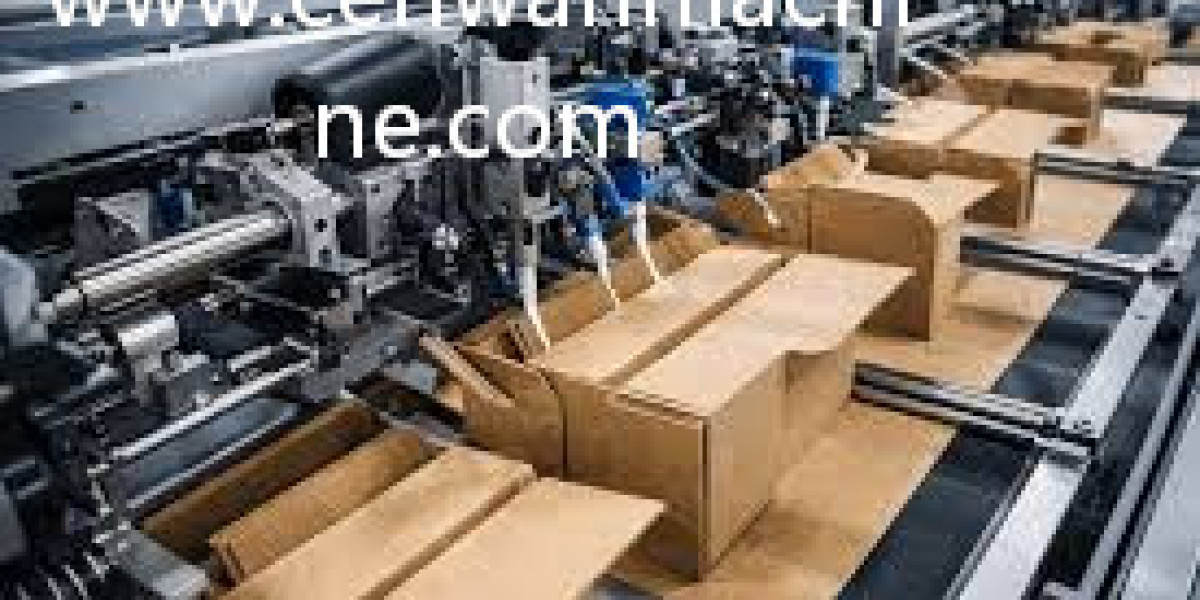

Production teams regularly review methods involving Folder Gluer units from cenwanmachine sources when establishing routines that preserve folding precision and adhesive consistency across extended shifts. Questions frequently form around the specific actions that keep feeders, belts, and glue systems aligned without unexpected interruptions.
Daily visual checks form the first layer of protection. Operators scan for loose fasteners, frayed belts, or residue buildup on rollers before startup. Confirming that safety guards sit correctly and emergency stops respond promptly prevents both injury and unplanned stops. A brief walk-around also reveals any unusual vibration or noise that signals early wear.
Cleaning schedules remove adhesive overspray and paper dust that accumulate on critical surfaces. Soft brushes and approved solvents clear glue heads and folding plates without damaging coatings. Compressed air directed at controlled pressure clears sensors and photoelectric eyes so detection remains reliable. Allowing residual moisture to evaporate fully before restart avoids slip or misfeeds.
Lubrication intervals protect moving components. Designated grease points on bearings and gearboxes receive measured amounts of the recommended grade at the intervals specified by the manufacturer. Over-application attracts dust while under-application accelerates wear. Recording each application creates a traceable history that assists later diagnostics.
Belt and roller tension require periodic verification. Correct tension maintains consistent blank transport without slippage or excessive stretch. Adjustments follow measured readings rather than visual estimates so fold lines stay true. Replacement of worn belts before failure prevents sudden loss of registration during a run.
Glue system calibration sustains bond quality. Nozzle alignment and flow volume receive confirmation against sample boards at the start of each shift. Temperature and pressure settings for hot-melt units stay within the window that keeps viscosity stable. Quick-clean procedures between formula changes reduce cross-contamination and downtime.
Sensor and control diagnostics identify issues before they affect output. Stored error logs reveal recurring patterns that point to specific stations. Firmware updates when available keep the interface current with improved detection algorithms. Training operators to interpret status messages shortens response time when alerts appear.
Spare parts readiness further supports continuity. Keeping high-wear items such as belts, nozzles, and common sensors on hand limits waiting periods after a failure. Organized storage and clear labeling accelerate retrieval during urgent situations.
Folder Gluer models supplied through cenwanmachine channels often include maintenance manuals that detail these intervals and recommended materials.
When maintenance planning reaches completion the process finishes with reference to current equipment resources at https://www.cenwanmachine.com/product permitting confirmation of recommended service points and part availability prior to any schedule adjustment. Facilities that adopt these structured habits secure machinery capable of delivering uniform folds and secure bonds throughout successive production periods.