
Artificial intelligence is no longer limited to large technology companies. Startups, software developers, research teams, universities, and even individual developers are building models and running increasingly demanding AI applications. The problem is that powerful computing hardware is expensive. A high-end GPU server can cost a considerable amount of money, and buying hardware is not always the best choice for a project that may only need heavy computing for a few hours or weeks.To get more news about ai算力租用, you can visit nexgpu.net official website.
This is where AI computing power rental becomes useful. Instead of purchasing expensive equipment, users can rent GPU computing resources according to their actual workload. In my opinion, this is one of the more practical ways for smaller teams to experiment with AI without making a large upfront investment.
What Is AI Computing Power Rental?
AI computing power rental is essentially a flexible way to access high-performance computing infrastructure. A provider supplies GPU servers or cloud-based GPU resources, while customers pay based on usage, rental duration, or selected computing specifications.
The available hardware can vary from standard GPUs for development and testing to high-end accelerators designed for demanding model training and inference tasks. Depending on the provider, users may also be able to choose CPU performance, memory, storage, network bandwidth, operating systems, and other server configurations.
The biggest difference from traditional hardware purchasing is flexibility. You are renting computing capacity rather than permanently owning the machine.
High-Performance GPUs Without the Large Upfront Cost
The most obvious feature of AI computing power rental is access to powerful GPUs without buying them outright.
AI workloads often depend heavily on GPU performance. Training large neural networks, processing large datasets, generating images, running language models, or performing complex simulations can quickly overwhelm an ordinary desktop computer.
With a rental service, users can select a machine with suitable GPU memory and processing power. For example, a small development project may only need a single GPU, while a larger training task may require multiple GPUs working together.
This approach makes budgeting easier. Instead of spending a large amount on hardware that might sit unused later, companies can pay for computing resources when they actually need them.
Flexible Rental Periods
Another important advantage is the ability to rent resources for different periods.
Some projects need GPU power continuously for several weeks. Others may only require intensive computing during testing, model training, or short-term data processing. A good rental platform should support flexible options rather than forcing every customer into a long contract.
Personally, I think this is particularly valuable for startups. Their computing requirements can change quickly. A project that needs one GPU today might require eight GPUs after gaining users, while another project may be cancelled completely. Renting reduces the risk of being stuck with expensive hardware that no longer matches the business.
Suitable for More Than Model Training
Although AI model training is one of the main applications, rented computing power can be used for much more.
Developers can use GPU servers for model inference, computer vision, natural language processing, image generation, video processing, scientific computing, data analysis, and other GPU-intensive workloads.
For example, an AI development team might rent a GPU server to test a new model before moving it into production. A video company could temporarily increase computing capacity during a large rendering project. A research group could rent several GPUs for a specific experiment and release them when the experiment is finished.
This makes AI computing power rental useful beyond the traditional idea of simply "training an AI model."
What Should You Check Before Renting?
Not every rental service provides the same experience. The GPU model is important, but it should not be the only factor considered.
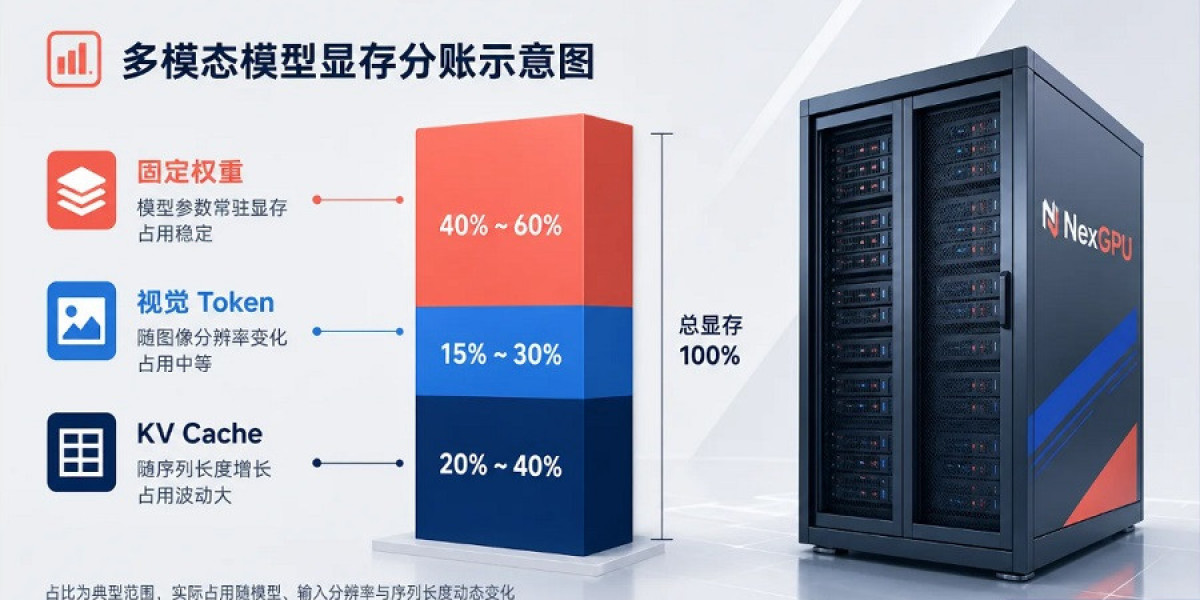
GPU memory deserves special attention. A powerful GPU with insufficient VRAM may still be unsuitable for a particular AI workload. Users should also check CPU specifications, system memory, storage speed, network performance, and whether multiple GPUs can communicate efficiently.
Software support matters too. A convenient environment with common AI frameworks, drivers, CUDA support, containers, and operating system options can save hours of setup work.
I would also pay close attention to billing. Check whether the provider charges by the hour, day, month, or actual usage, and look for additional charges related to storage, bandwidth, or data transfer.
My View on AI Computing Power Rental
I see AI computing power rental as a practical middle ground between buying expensive hardware and relying entirely on limited local machines.
It does not automatically make an AI project cheaper. If a company runs the same GPU workload continuously for years, purchasing dedicated hardware may eventually make more financial sense. But for temporary projects, experiments, startups, and workloads with unpredictable demand, renting can be much more flexible.
The real value is not simply getting access to a powerful GPU. It is being able to scale computing resources around the project instead of designing the project around the hardware you already own.