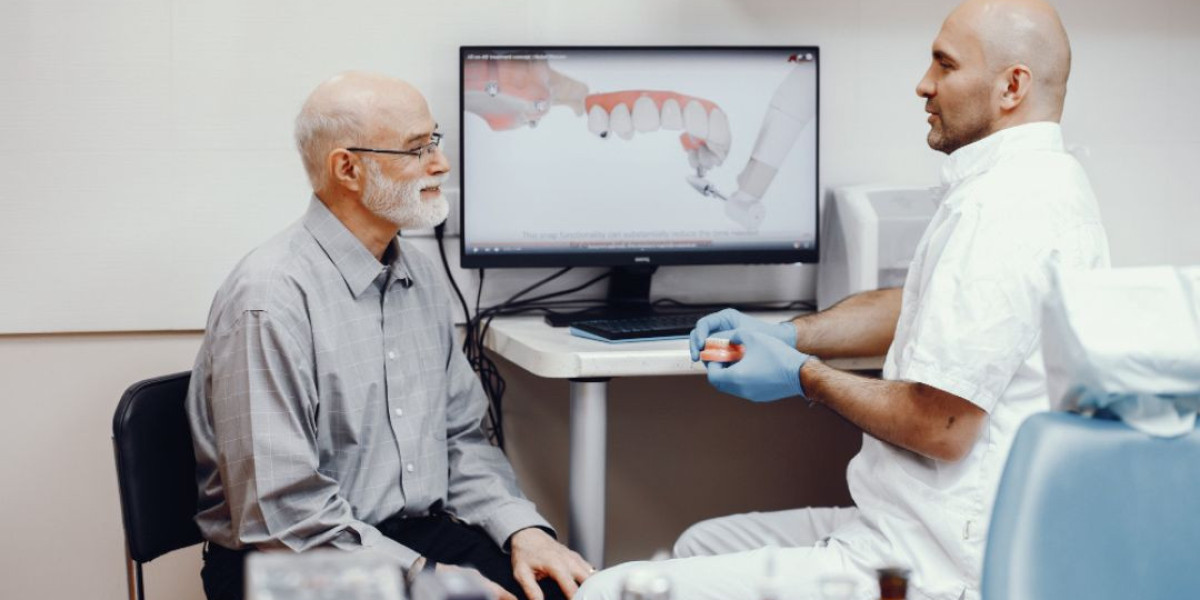

Finding a reliable dental clinic in Pune can feel challenging, especially when you need more than a routine dental check-up. Whether you are dealing with tooth pain, cavities, gum problems, missing teeth, or simply want to improve your smile, choosing a clinic that offers suitable dental care under one roof can make the experience more convenient.
Regular dental care is important not only for maintaining clean teeth but also for identifying oral health problems early. From professional teeth cleaning and root canal treatment to dental crowns, braces, aligners, and dental implants, the right treatment depends on your individual oral health needs.
Why Regular Dental Care Matters
Many dental problems develop gradually and may not cause noticeable discomfort in the beginning. Regular dental examinations allow a qualified dentist to assess your teeth and gums and identify concerns that may require attention.
Dental care can help with:
- Maintaining healthy teeth and gums
- Removing plaque and hardened deposits
- Managing cavities and tooth decay
- Addressing tooth sensitivity and pain
- Treating gum-related problems
- Replacing missing teeth
- Improving the appearance and function of teeth
- Supporting long-term oral hygiene
If you experience persistent tooth pain, swelling, bleeding gums, difficulty chewing, or a broken tooth, it is advisable to consult a qualified dental professional.
Dental Services You May Need
A comprehensive dental clinic can provide different treatments depending on the condition of your teeth and gums.
Teeth Cleaning
Professional teeth cleaning helps remove plaque and tartar that regular brushing may not completely eliminate. During the procedure, the dentist or dental professional cleans the tooth surfaces and may provide guidance on brushing, flossing, and daily oral hygiene.
The duration depends on the amount of buildup and the individual's oral condition.
Root Canal Treatment
A root canal is commonly performed when the inner part of a tooth becomes infected or severely damaged. The dentist removes the affected tissue, cleans the inside of the tooth, and seals it.
A dental crown may sometimes be recommended afterward to help protect a weakened tooth.
Dental Crowns
A dental crown is a protective covering placed over a damaged or weakened tooth. Crowns can help restore the tooth's shape, strength, and function.
A typical process may involve:
- Examination of the affected tooth.
- Preparation of the tooth.
- Taking measurements or impressions.
- Creating or arranging the crown.
- Fitting the crown and checking the bite.
The number of visits and overall treatment time can vary depending on the case and type of crown.
Dental Implants
Dental implants are one option for replacing missing teeth. An implant uses a small post placed into the jawbone to support a replacement tooth.
Implant treatment generally involves assessment and planning, placement of the implant, healing, and attachment of the replacement tooth. The overall timeline can vary considerably depending on factors such as bone condition and individual healing.
A dentist can determine whether implants are suitable after examining your oral health.
Braces and Aligners
Braces and clear aligners are used to gradually move teeth into more suitable positions. They may be considered for problems such as crowded or unevenly positioned teeth.
Traditional braces use brackets and wires, while aligners use a series of removable trays. Treatment duration varies from person to person and depends on the complexity of tooth movement.
Patients should follow their dentist's instructions carefully and attend scheduled follow-ups throughout treatment.
What to Expect at a Dental Appointment
If you are visiting a dental clinic in Pune for the first time, the dentist will generally begin by understanding your concerns and examining your teeth and gums.
Depending on your symptoms and treatment needs, the appointment may include:
- Discussion of your dental concerns and history
- Examination of teeth and gums
- Assessment of existing dental work
- Dental X-rays or other investigations when required
- Discussion of suitable treatment options
- Information about aftercare and oral hygiene
Not every patient needs the same treatment. A professional dental assessment helps determine what approach is appropriate for the individual's condition.
How to Prepare for Your Dental Visit
For a routine dental appointment, extensive preparation is usually not required. However, it can be helpful to:
- Brush and clean your teeth before the appointment.
- Inform the dentist about any medicines you take.
- Explain any tooth pain, sensitivity, swelling, or other concerns.
- Carry previous dental reports or X-rays if available.
- Ask questions about the recommended treatment, recovery, and follow-up.
Being open about your concerns can help the dental professional understand your needs more clearly.
Factors That Affect Dental Treatment Cost
The cost of dental treatment can vary significantly. It may depend on the type of procedure, number of teeth involved, complexity of the case, materials used, diagnostic requirements, and number of appointments.
For treatments such as implants, crowns, braces, and aligners, the overall cost may also depend on the treatment plan and duration.
Instead of choosing a clinic based only on price, consider the dentist's evaluation, treatment approach, hygiene standards, convenience, and follow-up care.
Why Choose Diagnopein?
Diagnopein offers dental services as part of its healthcare and diagnostic network. Its dental care offering includes treatments such as dental implants, root canal treatment, braces, aligners, crowns, and other dental services.
For patients looking for a dental clinic in Pune, Diagnopein can be considered for dental consultation and treatment based on individual oral health requirements. Patients should discuss their symptoms and treatment expectations with a qualified dental professional before proceeding.
When Should You Visit a Dentist?
Do not wait for severe pain before seeking dental care. Consider arranging a dental consultation if you notice:
- Persistent toothache
- Swollen or bleeding gums
- Tooth sensitivity that continues or worsens
- A chipped, cracked, or broken tooth
- Difficulty chewing
- Loose or missing teeth
- Persistent bad breath
- Changes in the appearance of your teeth or gums
Early professional assessment may help identify the underlying problem and determine appropriate care.
Frequently Asked Questions
1. How often should I visit a dentist?
The appropriate frequency depends on your oral health, dental history, and individual needs. Your dentist can recommend a suitable check-up schedule.
2. Is teeth cleaning painful?
Professional teeth cleaning is generally well tolerated, although people with sensitive teeth or significant gum buildup may experience some temporary discomfort. Discuss any sensitivity with your dental professional before treatment.
3. How long does a root canal take?
The duration depends on the tooth, the complexity of the case, and whether additional treatment is required. Your dentist can provide a more accurate estimate after examination.
4. Are dental implants suitable for everyone?
Dental implants are not automatically suitable for every patient. A dentist needs to evaluate factors such as oral health, jawbone condition, and overall treatment requirements before recommending them.