
As computing tasks become more demanding, having enough processing power has become a real concern for developers, AI users, researchers, designers, and businesses. A normal laptop or office computer may be perfectly capable of handling everyday work, but things change when the task involves AI model training, large-scale data processing, 3D rendering, scientific calculations, or other GPU-intensive workloads. This is where cloud computing power becomes useful.To get more news about 云算力, you can visit nexgpu.net official website.
Cloud computing power allows users to access remote computing resources through the internet instead of purchasing and maintaining expensive hardware themselves. Depending on the provider, users may be able to rent CPUs, GPUs, memory, storage, and other resources for a specific period. In my opinion, the biggest advantage is simple: you can use powerful hardware when you actually need it without turning your own office into a small data center.
What Makes Cloud Computing Power Different?
The first feature worth mentioning is hardware flexibility. Different workloads require different hardware configurations. A basic data-processing project may only need a powerful CPU, while AI training or image generation can benefit greatly from a high-performance GPU. With a cloud computing service, users can normally select resources according to their project instead of being limited by the hardware already sitting on their desk.
Another useful feature is scalability. Suppose a developer normally needs moderate computing resources but occasionally has to process a large dataset. Buying a high-end workstation just for those occasional workloads may not make financial sense. Cloud computing allows the user to temporarily increase computing capacity and then reduce it when the project is finished.
This pay-as-needed approach can be especially attractive to startups and individual developers. It lowers the initial hardware investment and avoids costs related to equipment upgrades, cooling, electricity, and maintenance.
Useful for AI and GPU-Heavy Workloads
AI is one of the most obvious areas where cloud computing power can make a difference. Training, fine-tuning, testing, and running larger models can require considerable GPU resources. A consumer computer may struggle with these workloads, while a cloud platform can provide access to more capable hardware.
For example, an AI developer might rent a GPU server for several hours to test a model, run experiments, and compare different configurations. Once the testing is finished, the server can be released. This is much more practical than purchasing an expensive GPU that may remain underused for most of the month.
Cloud computing power is also useful for video rendering, 3D design, engineering simulations, cryptocurrency-related computing, scientific research, and large-scale data analysis. The exact value depends on the workload, but the underlying idea remains the same: move demanding computation to hardware designed to handle it.
Performance Is Not the Only Thing That Matters
It is easy to focus on GPU or CPU specifications when choosing a cloud computing service, but I would not make a purchasing decision based on hardware performance alone.
Network quality matters because users need to transfer files and interact with remote machines. Storage speed can also affect workflows involving large datasets. In addition, operating system options, supported software, remote access methods, and available development environments can make a surprisingly large difference to the user experience.
Reliability is another important consideration. A powerful server is not particularly useful if the service frequently disconnects or becomes unavailable during an important task. Before purchasing, I recommend checking customer reviews, service status information, resource availability, and the provider's technical documentation.
My Buying Advice
For first-time users, I would recommend starting with a small or short-term plan rather than immediately purchasing a long package. This gives you an opportunity to test the actual performance and determine whether the available hardware matches your workload.
Pay close attention to the billing method as well. Some services charge by the minute or hour, while others offer daily or monthly packages. If your workload is occasional, hourly billing may be more economical. If you run computing tasks every day, a longer-term plan may provide better value.
Also compare the total cost rather than looking only at the advertised hourly price. Storage, bandwidth, data transfer, additional software, and other resources may affect the final bill.
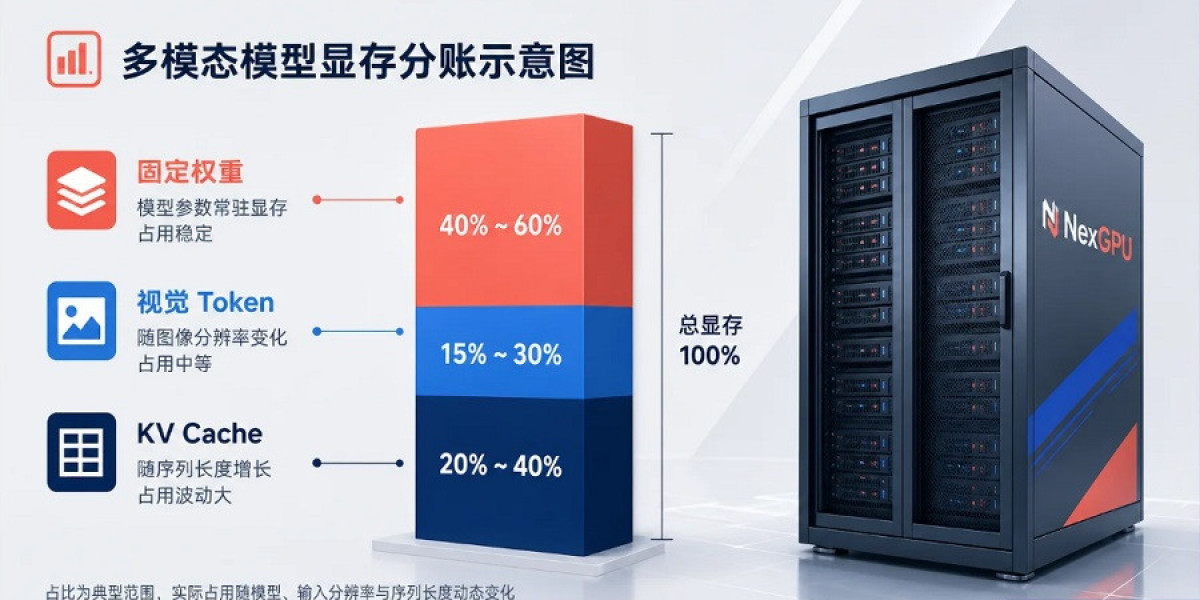
For AI-related workloads, GPU memory deserves particular attention. A GPU with impressive processing performance may still be unsuitable if it does not have enough memory for the model you want to run. Checking your software requirements before purchasing can save both time and money.
Final Thoughts
Cloud computing power is not simply a replacement for a personal computer. It is a flexible resource that allows users to access computing capacity according to their actual needs. Its main strengths include scalable hardware, access to powerful GPUs and CPUs, lower upfront investment, and the ability to handle demanding workloads without maintaining physical equipment.
Personally, I think the best way to use cloud computing power is to treat it as a flexible tool rather than automatically choosing the most powerful configuration available. Start by understanding your workload, identify the hardware you actually need, test the service with a small budget, and then scale up when the results justify it.