
Artificial intelligence has moved well beyond simple chatbots and automated replies. Today, businesses and developers are using large language models for content creation, customer support, data analysis, coding assistance, document processing, and many other tasks. However, building and maintaining a powerful AI model from scratch can be expensive and technically demanding. This is where AI large model services become particularly useful.To get more news about ai中转站, you can visit nexaix.net official website.
An AI large model service provides access to advanced models through a convenient platform or API. Instead of investing heavily in GPUs, model training, infrastructure, and maintenance, users can connect their applications to an existing large model and start experimenting much sooner. In my view, this is one of the biggest reasons these services have become so attractive to smaller teams and independent developers.
One of the most noticeable features is flexibility. Different projects require different capabilities. A marketing team may need a model that is strong at writing and summarizing, while a software company may care more about coding, reasoning, or structured data processing. A good AI large model service can offer access to multiple models or model configurations, allowing users to choose an option that fits the actual workload rather than forcing every project into the same solution.
Another important advantage is API accessibility. Developers can integrate an AI model into websites, mobile applications, internal software, customer service systems, or automation workflows without rebuilding the entire technology stack. For example, an online store could use an AI service to generate product descriptions, answer common customer questions, or organize large amounts of product information. The model becomes part of the existing workflow instead of being a separate tool that employees have to open and use manually.
Performance is another factor worth considering. Large models can handle long instructions, understand context, summarize complicated information, and generate relatively natural responses. Of course, no model is perfect, and the quality of the final result still depends on the prompt, data, model selection, and application design. Personally, I think users get better results when they treat AI as a capable assistant rather than an unquestionable source of truth.
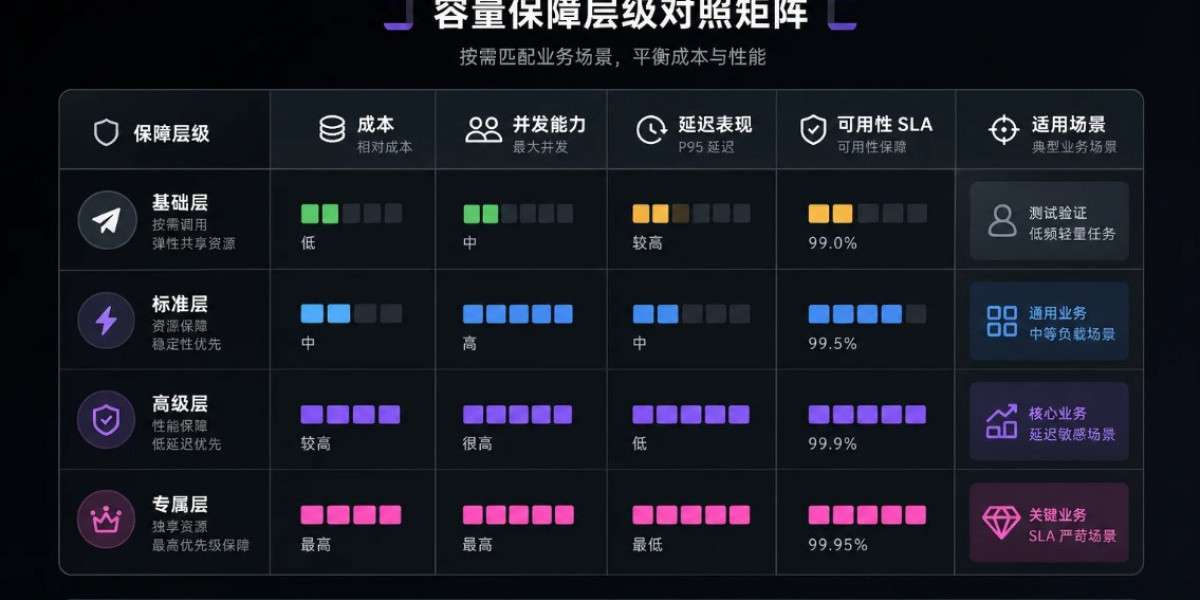
Cost efficiency also makes AI large model services appealing. Training a large model independently requires substantial computing resources and specialist knowledge. With a service-based approach, users generally pay according to their usage or selected service plan. This makes it easier to start with a small project and increase usage as demand grows.
Security and reliability should not be overlooked, especially for companies handling business documents or customer information. Before choosing a provider, I would pay close attention to data handling policies, access controls, service stability, API documentation, and usage limits. A low price means little if the service becomes unreliable when the application begins receiving real traffic.
Overall, AI large model services provide a practical bridge between advanced AI technology and everyday applications. Their main strengths are accessibility, flexible model selection, API integration, scalability, and reduced infrastructure requirements. They do not eliminate the need for human judgment, but they can significantly reduce the amount of repetitive work involved in developing intelligent applications.
From my perspective, the real value of an AI large model service is not simply having access to a powerful model. It is the ability to turn that model into something useful, repeatable, and connected to a real business workflow. As AI continues to develop, services that combine strong models with stable infrastructure and straightforward integration are likely to become an increasingly important part of modern software development.