
As AI applications become part of everyday software development, accessing different language models efficiently has become an important consideration. Developers may want to connect their applications with GLM models while keeping their existing architecture relatively simple. This is where a GLM relay station can be useful. Instead of connecting every application directly to an AI model provider, a relay platform can act as an intermediate layer between the application and the model service.To get more news about glm中转站, you can visit nexaix.net official website.
From my perspective, the biggest appeal of a GLM relay station is not simply the idea of “forwarding” API requests. The real value comes from making AI access easier to manage, especially when a project has multiple users, applications, or API endpoints.
What Is a GLM Relay Station?
A GLM relay station generally works as an intermediary for GLM API requests. An application sends a request to the relay endpoint, and the platform processes and forwards that request to the corresponding GLM service before returning the response.
This structure can make integration more convenient. Developers do not necessarily need to redesign the entire application whenever they change the way their AI services are managed. Depending on the platform, features such as unified API formats, access management, usage statistics, and model selection may also be available.
For teams working on several AI projects, having these functions in one place can save a surprising amount of time.
Key Features Worth Paying Attention To
One important feature is API compatibility. A good GLM relay station should provide clear documentation and straightforward endpoint configuration. If developers can connect their existing applications with only minor changes, the service becomes much more attractive.
Another useful feature is centralized management. Instead of storing different configurations throughout multiple applications, users can manage API credentials, model access, and usage information through one platform. This can be particularly convenient for small development teams.
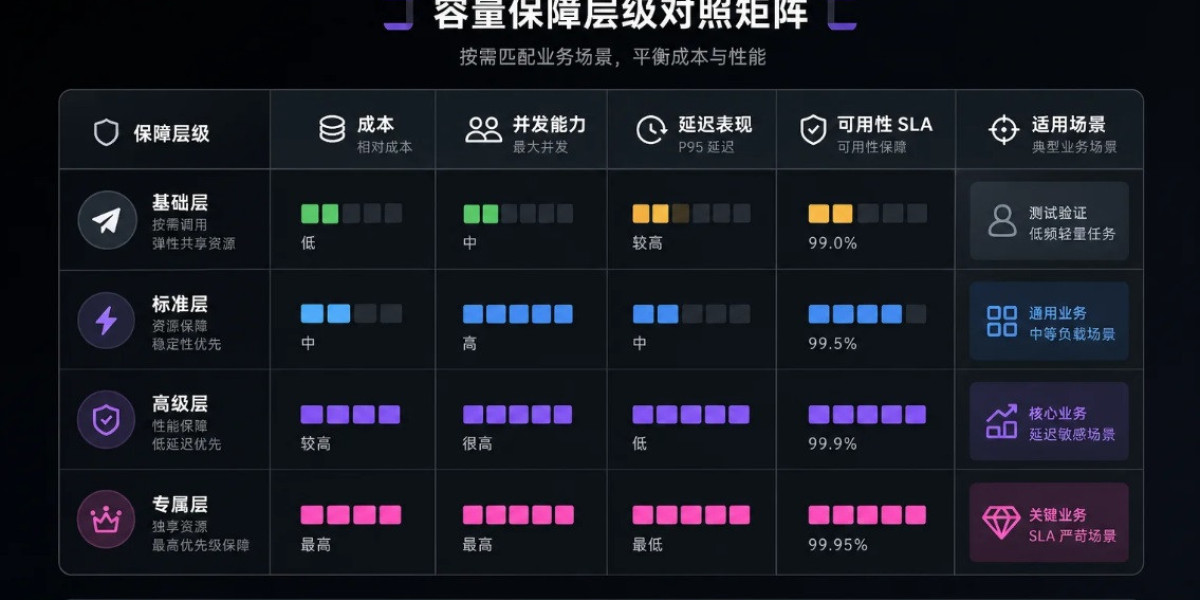
Model flexibility is another factor worth considering. AI projects often evolve quickly. A developer may start with one GLM model and later need another model because of differences in reasoning ability, response speed, or cost. A relay layer can make this transition easier when it supports multiple compatible model options.
I also think monitoring and usage visibility deserve more attention. Knowing how many requests are being made and where resources are being consumed can help developers control costs and identify unusual traffic patterns.
Why Developers May Consider It
For individual developers, a GLM relay station can reduce repetitive configuration work. For businesses, the advantages can be more noticeable because several applications or team members may need access to AI services.
A relay architecture can also provide a centralized point for authentication and access control. This does not automatically make an application secure, of course, but it gives developers another layer where access policies can be managed.
Another practical benefit is easier maintenance. If the relay service handles certain connection details centrally, developers may not have to modify every application whenever a backend configuration changes.
My Personal View
Personally, I would judge a GLM relay station by reliability and transparency rather than the number of features listed on its homepage. A long feature list means little if requests are frequently interrupted, documentation is unclear, or pricing is difficult to understand.
The ideal platform should feel almost invisible during normal development. API requests should be straightforward, responses should be consistent, and management tools should provide useful information without creating another complicated system to maintain.
In short, a GLM relay station can be a practical middle layer for developers who want more centralized control over GLM-based AI services. It is especially interesting for projects that need flexible API management, multiple users, or easier integration. As with any third-party AI infrastructure, users should also check service reliability, security practices, pricing, usage policies, and data handling before putting important workloads through the platform.