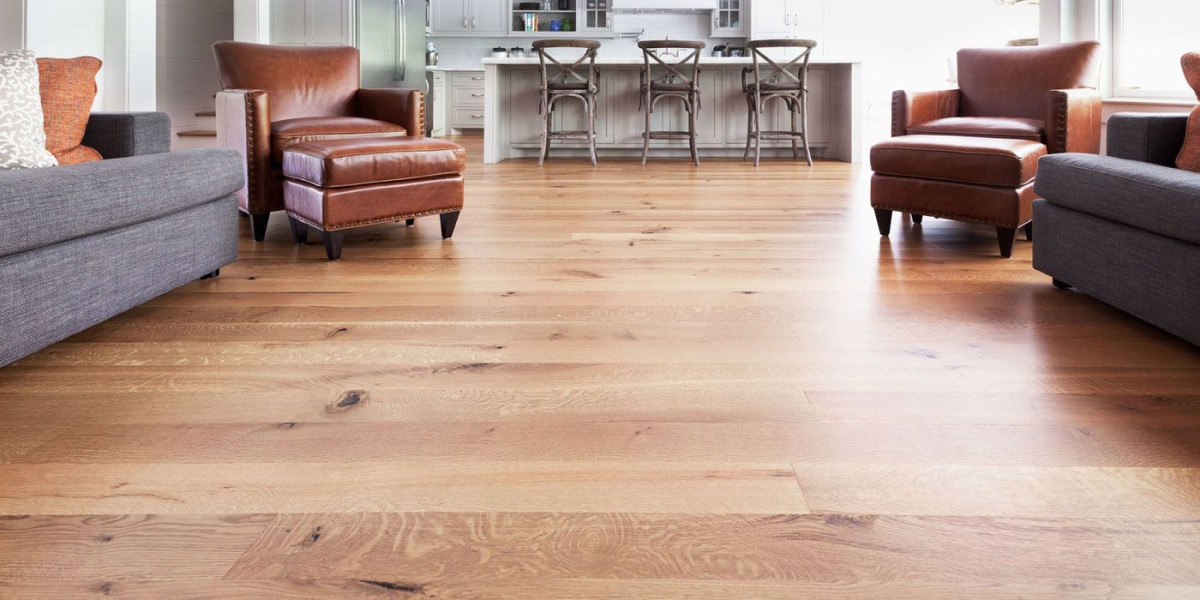

Assess the Existing Floor
Before any restoration work begins, the condition of the flooring should be examined carefully. Scratches, dull areas, discoloration, dents, stains, loose boards, and previous repairs can all affect the required treatment. The wood type and thickness also matter because some floors may have limited sanding capacity. A professional assessment helps determine whether refinishing or another solution is appropriate.
Understand the Refinishing Process
Refinishing generally involves preparing the existing surface, sanding away the worn finish, addressing imperfections, and applying new protective coatings. The exact process depends on the floor's condition and the desired appearance. Hardwood Floor Refinishing Services in Atlanta GA can help homeowners refresh aging floors without automatically replacing the existing hardwood, provided the material remains suitable for restoration.
Prepare the Home Before Work
Proper preparation can make the project smoother and help protect surrounding areas. Furniture and movable belongings should generally be removed from the work zone. Nearby rooms, walls, and fixed items may also need protection from dust and equipment. Homeowners should discuss access, ventilation, working hours, and preparation responsibilities with the flooring professional before the scheduled start date.
Deal With Existing Damage
Deep scratches, dents, gaps, damaged boards, and stubborn stains may require attention before a new finish is applied. Sanding can improve many surface imperfections, but severely damaged sections may need localized repairs. Addressing these problems beforehand can produce a more consistent final appearance. A professional should explain which defects can be corrected and which may remain visible.
Consider Dust-Controlled Sanding
Sanding hardwood can produce considerable dust, making containment an important part of the project. Some Atlanta flooring companies offer dust-controlled or dustless sanding systems designed to reduce airborne particles during refinishing. Homeowners should ask what equipment will be used and what preparation is expected so they understand how the work area will be managed.
Choose the Right Color
Refinishing can provide an opportunity to change the appearance of an existing floor. Homeowners may prefer a natural wood appearance, a warmer tone, or a darker stain that complements their interior design. Samples should ideally be reviewed inside the actual home because lighting and surrounding finishes can influence how a stain appears once applied to the floor.
Select a Suitable Finish
The protective finish plays an important role in the floor's final appearance and durability. Options can differ in sheen, maintenance requirements, drying characteristics, and resistance to everyday wear. Atlanta flooring professionals commonly offer different finish systems for residential and commercial environments. The best choice should reflect household traffic, lifestyle, appearance preferences, and maintenance expectations.
Work With Experienced Professionals
Hardwood Flooring Contractors can provide services beyond basic refinishing, including repairs, installation, stair work, resurfacing, and other flooring improvements. Atlanta has numerous established flooring providers offering refinishing and related services. Homeowners should review previous work, service details, insurance information, estimates, and customer feedback before selecting a contractor for an important flooring project.
Ask About Repairs
A floor that looks worn may not always need complete sanding. Some surfaces with relatively minor wear may be candidates for screening, buffing, or recoating instead. Atlanta flooring specialists specifically distinguish between lighter maintenance treatments and full refinishing depending on the floor's condition. Asking for an evaluation can prevent homeowners from paying for more intensive work than necessary.
Prepare for Temporary Disruption
Floor restoration can temporarily affect how rooms are used. Homeowners may need to relocate furniture, avoid treated areas, and make alternate arrangements for household activities while the finish cures. The exact waiting period depends on the products and process selected. Following the contractor's instructions about foot traffic, furniture, rugs, and cleaning can help protect the newly finished surface.
Maintain the Restored Flooring
Once the project is complete, regular maintenance can help preserve the new appearance. Dust and grit should be removed regularly because abrasive particles can contribute to surface wear. Spills should be addressed promptly, and cleaning products should be compatible with the installed finish. Furniture pads can also help reduce scratching when chairs, tables, and other heavy pieces are moved.
Evaluate Long-Term Value
Restoring existing hardwood can be a practical alternative to replacing an entire floor when the underlying material remains in good condition. A successful project depends on appropriate preparation, skilled sanding, suitable finishing products, and consistent maintenance afterward. Homeowners who focus on the actual condition of their flooring can make a more informed decision and preserve the character of their hardwood for years.