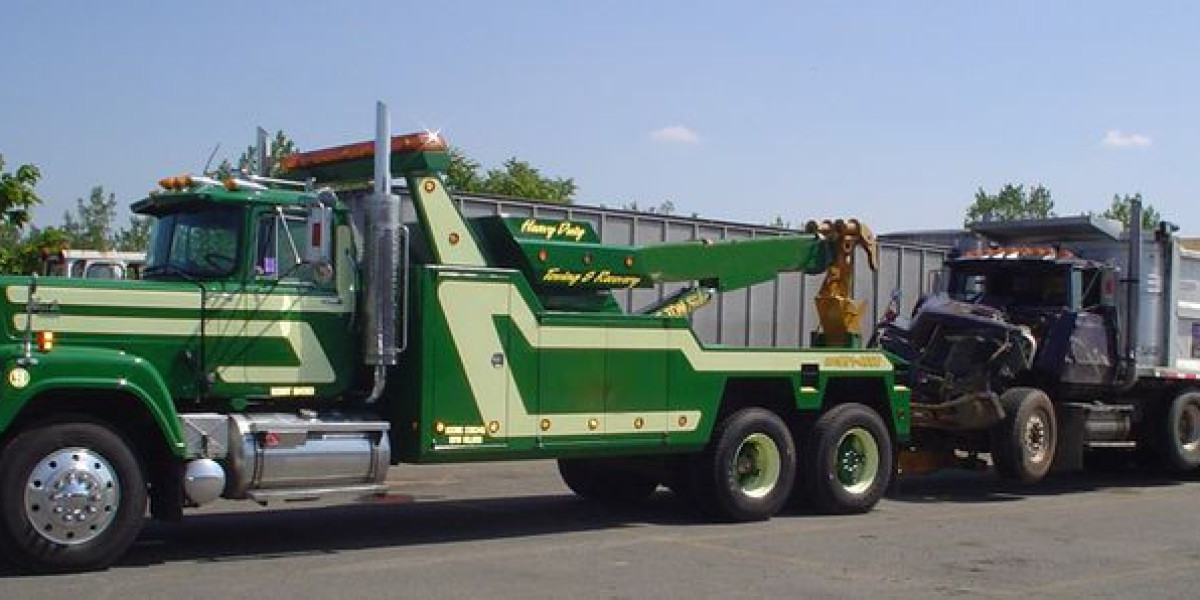

Understand Heavy Vehicle Recovery
Large commercial vehicles require different towing equipment and procedures than ordinary passenger cars. Trucks, buses, trailers, construction equipment, and other oversized vehicles can have substantial weight and unusual dimensions. Understanding these differences is important when arranging roadside assistance because using unsuitable equipment can create additional risks for the vehicle, surrounding property, and people at the scene.
Assess the Situation First
Before contacting a towing provider, determine what happened and where the vehicle is located. A breakdown, collision, flat tire, mechanical failure, or disabled trailer may require a different type of response. Useful details include the vehicle's approximate size, weight, condition, location, and accessibility. Providing accurate information can help the towing company send suitable equipment and personnel.
Choose Appropriate Equipment
Heavy vehicles often require specialized recovery equipment capable of safely handling substantial loads. Depending on the situation, a provider may use heavy-duty wreckers, recovery units, wheel-lift equipment, or other specialized machinery. The appropriate equipment depends on the vehicle and circumstances. A professional assessment before dispatch can help prevent delays caused by sending an unsuitable tow truck.
Work With Experienced Providers
When searching for Heavy-Duty Towing Services in Portland OR, businesses and fleet operators should consider providers with experience handling commercial and oversized vehicles. Portland towing companies advertise heavy-duty recovery for trucks, buses, RVs, trailers, and other large vehicles. Experience with different vehicle configurations can be particularly valuable during difficult roadside situations.
Provide Accurate Vehicle Information
The towing provider should know what type of vehicle needs assistance before dispatch. Share the make and model when possible, along with whether it is loaded, damaged, stuck, or difficult to access. For commercial vehicles, information about trailer configuration and approximate weight can also be useful. Accurate details allow the company to evaluate the equipment and crew requirements more effectively.
Consider Roadside Conditions
Portland roads can present different challenges depending on the location and circumstances. Narrow streets, busy intersections, steep areas, construction zones, parking restrictions, and limited shoulder space can affect recovery. Weather and visibility may also influence the operation. Providing clear directions and information about the surroundings can help the towing team prepare for conditions at the scene.
Protect the Vehicle
Proper towing procedures help reduce unnecessary stress on a disabled vehicle. Recovery professionals should consider attachment points, wheel configuration, ground clearance, drivetrain characteristics, and existing damage before moving it. If the vehicle has been involved in a collision, extra care may be necessary to avoid worsening visible damage or creating additional problems during recovery.
Think About Commercial Downtime
For businesses operating trucks or other large vehicles, a breakdown can interrupt deliveries, construction work, transportation schedules, and customer commitments. Fast access to a suitable towing provider can help reduce downtime. Fleet operators may benefit from keeping reliable towing contact information available before an emergency occurs instead of searching for assistance after a vehicle becomes disabled.
Use Professional Towing Services
Reliable Towing Services in Portland OR can assist with more than simple vehicle transportation. Portland providers advertise roadside assistance, accident recovery, vehicle transport, winching, and towing for different vehicle types. Choosing a provider based on the actual situation helps ensure that the response matches the vehicle and the required service.
Consider Accident Recovery
Collision recovery can involve damaged vehicles, broken components, debris, difficult positioning, or restricted access. The scene may also require coordination with law enforcement, property owners, insurance representatives, or other parties. Professional recovery teams can assess the vehicle before attempting to move it and determine the safest practical approach based on the circumstances.
Plan for Disabled Trailers
A trailer that becomes separated, damaged, or immobilized can create additional logistical challenges. The towing provider needs information about the trailer type, load, location, and condition. A suitable recovery vehicle may be necessary to handle the combined weight or configuration. Proper planning can help reduce the possibility of additional damage during repositioning or transport.
Ask About Destination Options
Before the vehicle is recovered, confirm where it needs to go. A commercial repair facility, fleet yard, storage location, dealership, or another authorized destination may have different access requirements. Providing the destination in advance allows the towing company to plan transportation and may prevent confusion after the vehicle is loaded.
Keep Emergency Information Ready
Fleet managers and commercial drivers can save valuable time by maintaining an emergency information sheet. Include vehicle details, company contacts, insurance information, preferred repair facilities, and towing providers. Having this information readily available can make communication easier when the driver is dealing with a stressful breakdown or roadside incident.
Review Pricing Before Service
Towing costs can vary depending on vehicle size, distance, recovery complexity, equipment requirements, location, and time of service. Ask what is included before authorizing non-emergency work whenever circumstances allow. For commercial operations, understanding rates and additional charges in advance can make emergency transportation expenses easier to manage.
Prepare for Future Breakdowns
No fleet can completely eliminate the possibility of mechanical failures or roadside incidents. Regular vehicle maintenance, driver inspections, proper loading, and emergency planning can reduce avoidable problems. Keeping a relationship with a reputable towing provider can also make future emergencies easier to handle, particularly when specialized equipment may be required.
Keep Recovery Safe and Efficient
Heavy-duty towing requires careful planning because large vehicles create different technical and logistical demands. Providing accurate vehicle information, selecting appropriate equipment, considering roadside conditions, and working with experienced professionals can make recovery more controlled. Portland businesses and drivers can prepare for unexpected breakdowns by identifying suitable towing resources before an emergency occurs.