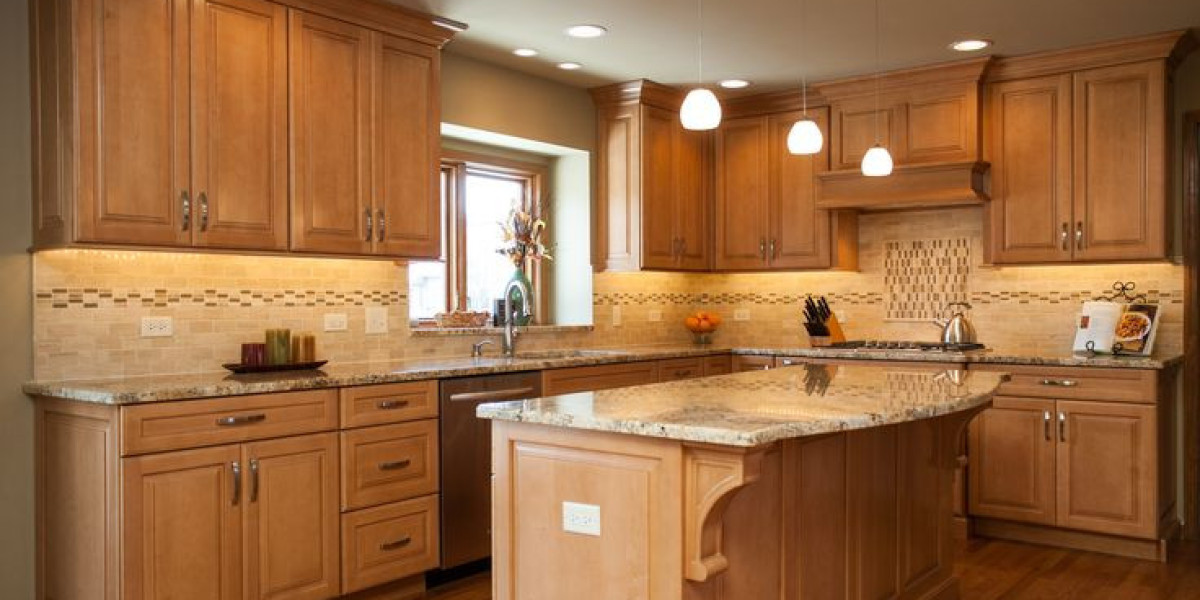

Begin With Your Storage Needs
Cabinetry should make everyday routines easier, not simply fill empty wall space. Before choosing a design, consider what you need to store, how often you use different items, and which areas currently create clutter. A thoughtful plan can turn unused corners and awkward spaces into practical storage while keeping frequently used belongings within comfortable reach.
Measure the Available Space
Accurate measurements are essential when cabinetry is being designed specifically for a room. Wall lengths, ceiling height, windows, doors, appliances, electrical outlets, and plumbing connections can all affect the final arrangement. Custom cabinetmakers can work around architectural features such as stairways, fireplaces, and windows rather than forcing the room to accommodate standard cabinet dimensions.
Select a Suitable Style
Cabinet design can influence the entire appearance of a room. Homeowners may prefer traditional raised panels, contemporary flat fronts, transitional designs, or natural wood finishes. Door profiles, colors, stains, and hardware can be selected to complement flooring, countertops, walls, and other furnishings. Choosing a consistent style helps create a finished appearance rather than making cabinetry feel like a separate addition.
Choose Custom Cabinetry
When planning Custom Cabinetry Services in Chapel Hill NC, homeowners can consider solutions created around the property's exact dimensions and personal requirements. Chapel Hill cabinetmakers offer individually designed cabinetry for kitchens, bathrooms, living spaces, offices, and other areas. Some local craftsmen build pieces specifically around a customer's preferred wood, finish, hardware, and room configuration.
Think Beyond the Kitchen
Cabinetry can improve many areas throughout a home. Bathroom vanities, entertainment centers, office storage, mudroom units, laundry cabinets, and built-in shelving can all be designed to match the home's overall character. Local Chapel Hill providers offer cabinetry beyond kitchens, including bathroom vanities, closets, living-area built-ins, and other storage solutions.
Pick Durable Materials
The right material should reflect where the cabinetry will be installed and how frequently it will be used. Kitchens and bathrooms experience moisture, heat, cleaning, and regular handling, so durable construction is particularly important. Cabinetmakers may offer hardwoods, veneered plywood, different finishes, and other construction choices. Discussing material characteristics before production can help homeowners select an appropriate combination.
Maximize Interior Organization
Custom cabinetry provides opportunities to improve the inside of each cabinet, not just its exterior appearance. Adjustable shelves, rollout trays, drawer organizers, specialized compartments, and corner solutions can make storage considerably more useful. Some Chapel Hill cabinet specialists specifically offer features such as adjustable shelving, rollout shelves, hidden hinges, and customized interior configurations.
Consider Professional Design Assistance
Experienced Expert Custom Cabinets professionals can help translate a homeowner's ideas into a workable design. A consultation can address dimensions, storage requirements, wood choices, finishes, hardware, and installation details before construction begins. Local cabinetmakers serving Chapel Hill emphasize collaborative design and personalized cabinetry rather than relying exclusively on standardized sizes and configurations.
Coordinate Finishes and Hardware
Small details can significantly influence the final appearance. Drawer pulls, knobs, hinges, trim, countertop materials, and cabinet finishes should work together. Hardware can provide either a subtle finishing touch or a noticeable design accent. Selecting these elements early allows the complete design to feel coordinated and gives the fabricator enough information before production begins.
Plan Around Existing Features
A custom approach is particularly useful when a room contains unusual dimensions or architectural details. Cabinets can be designed around windows, sloped ceilings, fireplaces, columns, or other fixed features. This can eliminate wasted spaces that often appear when standard-sized units are installed in rooms with irregular layouts.
Review Construction Details
Before production begins, homeowners should review drawings, dimensions, materials, finishes, hardware, and installation expectations. A written proposal can help clarify what is included in the project. Some Chapel Hill custom cabinetmakers provide detailed drawings after project approval, allowing customers to review the planned design before fabrication progresses.
Consider Long-Term Functionality
Good cabinetry should remain useful as household needs change. Adjustable storage, durable hardware, sensible drawer placement, and flexible shelving can make cabinets easier to adapt over time. Instead of designing exclusively around today's belongings, consider how the room may be used several years from now. A little planning can make the investment more practical in the long term.
Coordinate Installation
Professional installation is an important final stage because even well-built cabinets need accurate placement. Walls and floors are not always perfectly level, so experienced installers may need to make careful adjustments during installation. Proper alignment of doors, drawers, trim, and hardware contributes to both appearance and everyday operation.
Create a More Personalized Home
Custom cabinetry can combine storage, craftsmanship, and design in ways that standard products may not achieve. By carefully planning dimensions, materials, finishes, organization, and installation, homeowners can create pieces that feel naturally connected to their homes. Chapel Hill residents can use personalized cabinetry to improve kitchens, bathrooms, living spaces, offices, and other rooms while creating storage designed around the way they actually live.