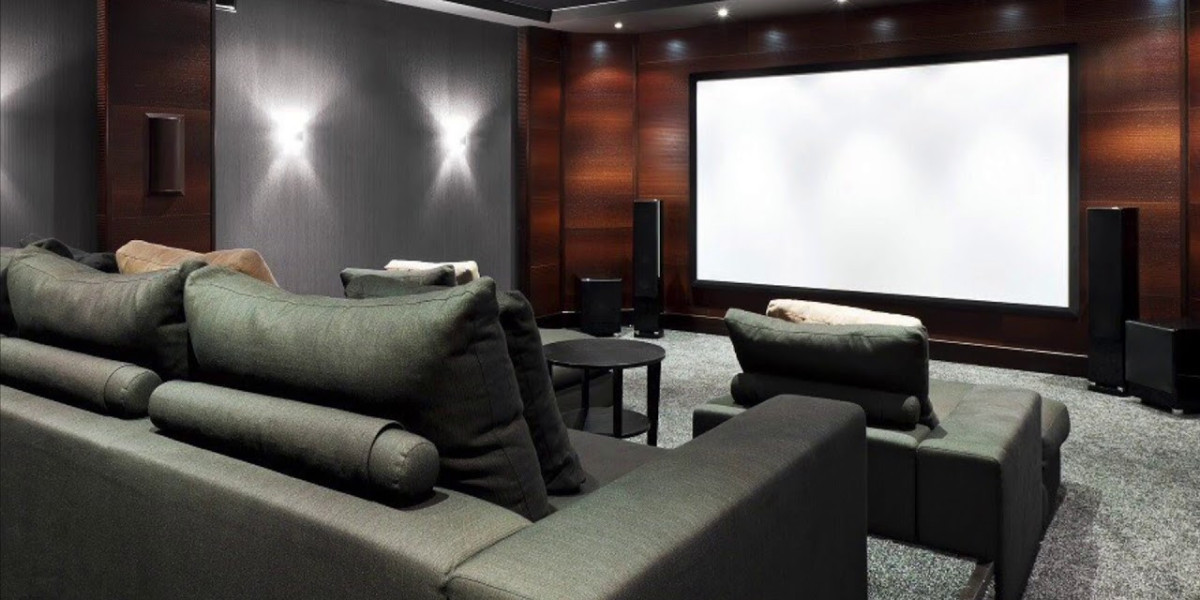

Start With the Room
A successful home theater begins with understanding the room itself. Its dimensions, ceiling height, windows, wall placement, seating area, and existing wiring can all influence the final setup. Considering these details before purchasing equipment helps homeowners create a system that fits naturally into the space rather than forcing technology into an unsuitable arrangement.
Choose the Right Display
Televisions and projectors can both provide excellent viewing experiences, but the best option depends on the room and intended use. Screen size, viewing distance, available wall space, ambient lighting, and seating arrangement should all be considered. A professional installer can help determine whether a large television, projector, or dedicated screen provides the most practical solution.
Plan Audio Carefully
Clear sound is just as important as picture quality. Speaker placement can influence dialogue clarity, surround effects, and overall listening comfort. Depending on the room, homeowners may choose soundbars, architectural speakers, surround systems, or larger dedicated audio setups. Proper positioning and calibration can help create balanced sound without making the equipment dominate the room.
Work With Installation Professionals
When arranging Home Theater Installation Services in Tempe AZ, homeowners should consider installers who can handle equipment selection, wiring, mounting, calibration, and system integration. Tempe-area specialists offer home theater design and installation, including audio, video, projection, and automation solutions. Choosing experienced professionals can help ensure the equipment works together properly.
Conceal Unnecessary Wiring
Visible cables can make an otherwise attractive entertainment space look unfinished. During installation, wiring can sometimes be routed through walls, ceilings, cabinets, or other appropriate pathways. Planning cable management before equipment is mounted can produce a cleaner appearance. Professional installers can also consider future equipment changes so the system remains easier to upgrade.
Add Smart Controls
A modern entertainment room can become more convenient when several devices operate through coordinated controls. Lighting, television equipment, audio systems, shades, and other compatible devices can potentially be managed through a central interface. Local technology providers in Tempe offer automation and home entertainment integration designed around individual household needs.
Improve Lighting
Lighting can significantly affect the viewing experience. Excessive brightness may create reflections, while a completely dark room may not be comfortable for every activity. Layered lighting allows homeowners to adjust the atmosphere for movies, gaming, reading, or social gatherings. Smart lighting controls can make these adjustments easier by allowing different settings to be activated when needed.
Consider Seating Placement
Comfortable seating should be planned alongside the screen and speaker arrangement. The viewing distance, screen height, room traffic, and number of people using the space can influence where furniture should be positioned. Avoid placing seating directly against walls when possible if the room's dimensions allow better spacing. Thoughtful placement can improve both comfort and the overall viewing experience.
Connect Smart Home Features
A broader Smart Home Services approach can connect entertainment with other household technology. Home automation providers can integrate audio, video, lighting, security, networking, and other systems depending on the equipment selected. Creating these connections during the original installation can be more convenient than attempting to coordinate unrelated systems later.
Think About Network Performance
Streaming services, connected televisions, gaming consoles, wireless speakers, and smart devices can all depend on a reliable home network. A weak connection may affect streaming quality and device responsiveness. Where possible, homeowners should discuss networking requirements during the planning stage. Some professional installers provide structured wiring and networking alongside home entertainment systems.
Calibrate the Equipment
Installing equipment is only part of creating a quality entertainment system. Audio and video settings may need adjustment after everything is connected. Professional calibration can help optimize picture characteristics, speaker balance, listening levels, and other settings according to the room. Proper configuration can make a noticeable difference without requiring homeowners to purchase additional equipment.
Prepare for Future Upgrades
Technology changes quickly, so a theater should not be designed only around today's equipment. Extra wiring capacity, accessible connections, suitable mounting locations, and flexible equipment placement can make future upgrades easier. Planning ahead may reduce the need to reopen walls or redesign the room when a television, receiver, speaker system, or streaming device eventually needs replacement.
Protect Expensive Equipment
Entertainment equipment should be installed securely and operated in an environment appropriate for its specifications. Adequate ventilation is important for components that generate heat, while surge protection and suitable power management can provide additional protection. Equipment cabinets should not restrict necessary airflow. Following manufacturer recommendations can help preserve performance and reduce avoidable equipment problems.
Create a Personalized Experience
Every household uses an entertainment space differently. Some may prioritize movies and sports, while others want gaming, music, streaming, or family gatherings. The installation should therefore reflect actual habits rather than simply copying another theater design. A customized approach can balance performance, appearance, convenience, and budget while ensuring the finished system fits naturally into everyday life.
Enjoy a More Connected Home
A thoughtfully designed theater can become more than a room with a large screen. Proper planning, balanced audio, smart controls, organized wiring, reliable networking, and comfortable seating can create a space that is enjoyable and easy to operate. By working with experienced Tempe professionals and planning for future needs, homeowners can build an entertainment system that remains useful for years.