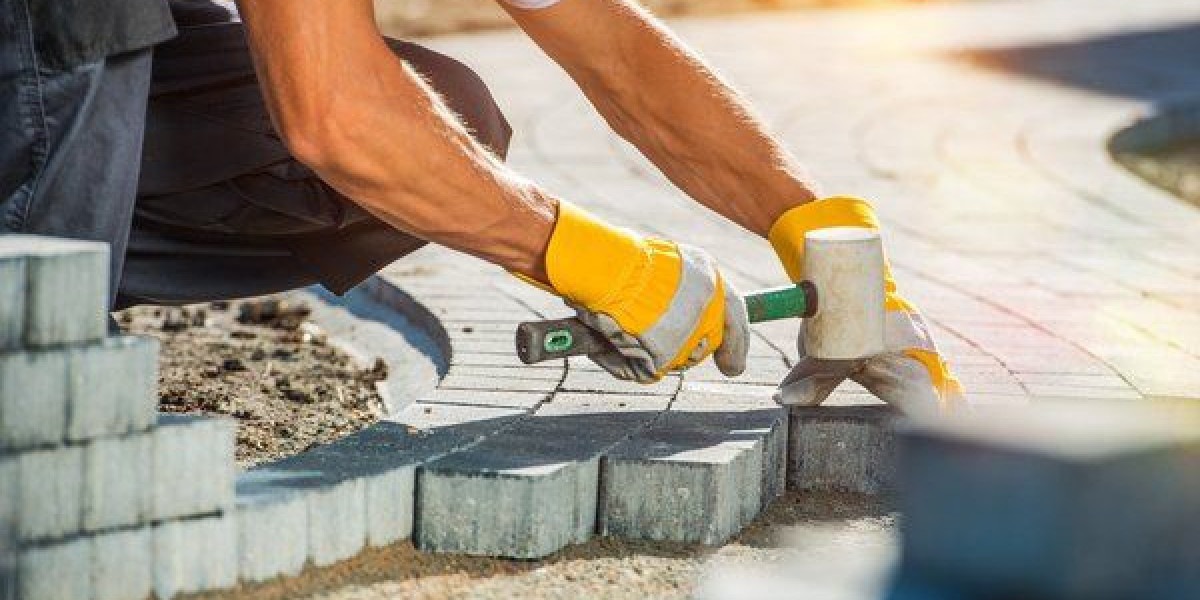

Assess the Property First
A successful paving project begins with understanding the area that will be improved. Driveways, walkways, patios, entrances, and outdoor gathering spaces each have different requirements. Existing surfaces, drainage, soil conditions, slopes, access, and expected traffic should be evaluated before materials are selected. Proper planning can help reduce drainage problems, uneven settling, and unnecessary changes during construction.
Choose the Right Stone
Natural stone and manufactured paving materials come in numerous colors, textures, shapes, and sizes. The best option depends on how the area will be used and the appearance the property owner wants to achieve. Durable materials can provide a long-lasting surface, while different patterns can create either a traditional or contemporary appearance. Material selection should balance aesthetics with practical performance.
Prepare the Foundation
The base beneath paving stones plays a major role in how well the finished surface performs. Poor preparation can contribute to shifting, sinking, cracked joints, and uneven areas. Excavation, grading, compacting, and appropriate base materials may be required before the surface is installed. Taking sufficient time during preparation can help create a stronger foundation for the finished paving system.
Work With Experienced Paving Professionals
When choosing Stone paving contractors Bronx NY, property owners should evaluate experience, previous projects, materials offered, project planning, and workmanship. Bronx contractors provide paving and masonry solutions for driveways, sidewalks, patios, walkways, and other outdoor areas. Local providers advertise customized paving options using natural stone, concrete, brick, and other materials.
Plan for Proper Drainage
Water management should be considered before paving begins. Rainwater that cannot drain properly may collect beneath the surface and contribute to erosion or settling. Proper grading and drainage planning can direct water away from structures while reducing standing water. This is especially important around foundations, entrances, steps, and areas where pedestrians regularly travel.
Consider the Intended Traffic
A residential walkway does not necessarily require the same construction approach as a frequently used driveway or commercial entrance. Expected vehicle and pedestrian traffic should influence the choice of materials and base preparation. Discussing these conditions with the contractor can help determine an appropriate installation method. Planning for actual usage can improve durability and reduce premature deterioration.
Create an Attractive Layout
Stone paving provides opportunities to introduce patterns, borders, contrasting materials, and defined sections. A carefully planned layout can complement the architecture of the property and connect outdoor areas visually. Walkways can guide movement, while patios can define entertaining spaces. Borders and contrasting stones can also provide visual separation without making the design appear overly complicated.
Coordinate Broader Construction Work
A paving project may sometimes be part of a larger property improvement. When several exterior changes are planned, coordination becomes important. Drainage, masonry, steps, retaining walls, landscaping, and paving may affect one another. Working with an experienced Construction company Bronx NY can help property owners coordinate related work and maintain a more consistent project schedule.
Protect Edges and Transitions
Edges are particularly important because they help keep paving materials in position. Without suitable edge restraint, stones can gradually move outward from repeated traffic and weather exposure. Transitions between paving and lawns, walls, steps, or other surfaces should also be planned carefully. Clean edges can improve both structural stability and the finished appearance.
Consider Weather Conditions
Outdoor paving must withstand changing weather throughout the year. Rain, freezing temperatures, heat, and repeated moisture exposure can affect surfaces and underlying materials. Proper drainage and a suitable foundation can help minimize weather-related movement. Selecting materials appropriate for outdoor conditions can also support long-term performance and reduce maintenance concerns.
Maintain the Finished Surface
Even durable paving requires routine care. Removing leaves, dirt, and debris can help keep joints and drainage areas clear. Weeds should be addressed before they become established, while damaged or shifted stones should be evaluated promptly. Depending on the material, professional cleaning or sealing may also help preserve appearance and protect the surface from everyday exposure.
Address Problems Early
Small changes in a paved surface can sometimes indicate developing issues beneath it. Loose stones, pooling water, widening joints, sinking areas, or uneven sections should not necessarily be ignored. Early evaluation may make repairs simpler than waiting until a larger portion of the surface becomes affected. Regular visual inspections can help property owners identify maintenance needs before they become extensive.
Invest in Long-Term Quality
A well-designed stone paving project combines attractive materials with proper preparation, drainage, installation, and maintenance. Property owners can improve the chances of achieving lasting results by evaluating the site carefully and selecting experienced professionals. With thoughtful planning and appropriate construction techniques, a Bronx property can gain an outdoor surface that enhances curb appeal while providing reliable everyday performance.