
Start With the Property
A successful outdoor improvement begins with understanding the existing property. Sun exposure, soil quality, drainage, available space, mature trees, and current vegetation can all influence the final result. Before choosing plants or changing the layout, homeowners should examine how the yard is currently used. This makes it easier to develop an outdoor environment that looks attractive while remaining practical for everyday living.
Define Your Outdoor Goals
Every property has different needs. Some homeowners want colorful planting beds, while others prefer quiet seating areas, vegetable gardens, pathways, or spaces designed for entertaining. Establishing clear priorities helps prevent unnecessary additions and creates a more cohesive plan. A well-defined goal can also make decisions about plant selection, bed placement, materials, and ongoing maintenance considerably easier.
Study Sunlight Patterns
Plants respond differently to full sun, partial shade, and heavily shaded conditions. Observing sunlight throughout the day can help determine which areas are appropriate for particular plants. Nearby buildings, fences, mature trees, and seasonal changes can affect exposure. Understanding these patterns before planting can reduce the risk of selecting vegetation that struggles because it receives too much or too little sunlight.
Plan With Local Conditions
When considering Garden design services Dexter MI, homeowners should account for local soil, seasonal weather, drainage, and plant suitability. Professional landscape designers can help organize planting areas and select options that complement the property's conditions. Dexter-area providers advertise customized garden planning, native plant guidance, raised garden beds, and low-maintenance landscape designs. This type of planning can make an outdoor space easier to manage over time.
Improve Soil Before Planting
Healthy soil gives plants a stronger foundation for growth. Compacted, depleted, or poorly draining soil can create challenges even when suitable plants are selected. Depending on the property, soil may benefit from organic matter, compost, improved drainage, or other preparation. Testing the soil before making major planting decisions can provide useful information about its condition and help guide appropriate improvements.
Select Plants Thoughtfully
Plant selection should consider more than appearance. Mature size, seasonal interest, water requirements, sunlight tolerance, growth habits, and maintenance needs all matter. Choosing plants that fit the available space can prevent overcrowding later. Combining different heights, textures, and flowering periods can also create visual interest throughout the year rather than concentrating all of the color in a single season.
Create Defined Garden Areas
Clearly defined planting beds can give a yard a more organized appearance. Curved borders may create a softer look, while straight edges can complement modern architecture. Edging materials, mulch, decorative stone, or pathways can help separate garden areas from surrounding lawn. A thoughtful layout makes individual spaces easier to maintain while creating a visual connection between different parts of the property.
Keep the Lawn Healthy
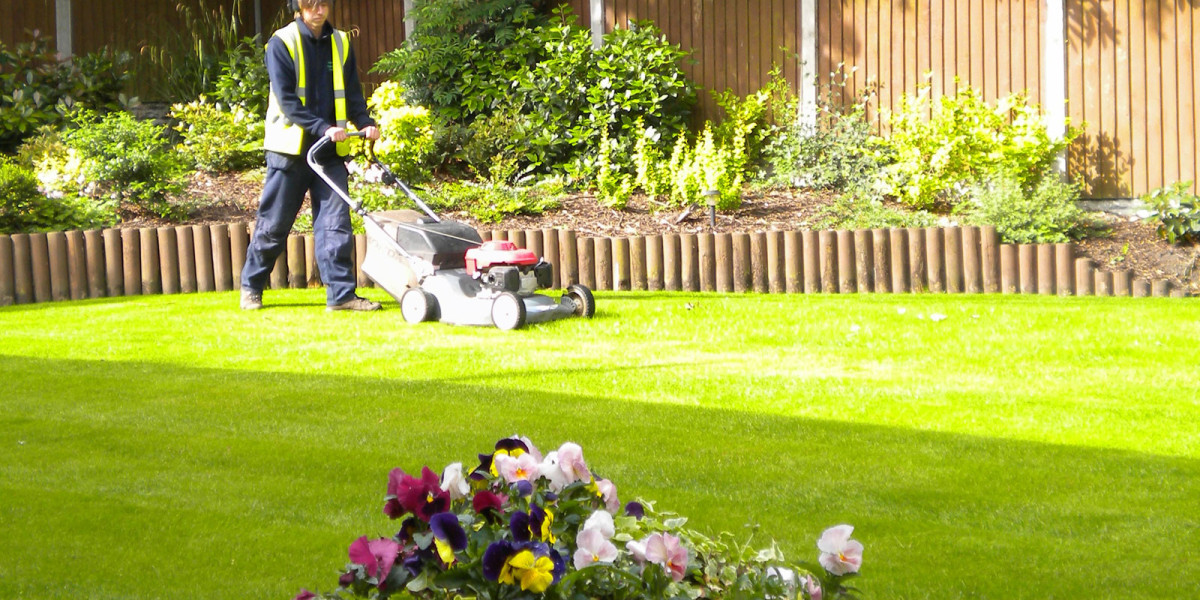
A thoughtfully designed garden works best when the surrounding lawn is maintained properly. Regular mowing, trimming, watering, and seasonal attention can help grass remain attractive between planted areas. Homeowners should also watch for compacted soil, bare patches, excessive thatch, weeds, and drainage problems. Addressing these concerns early can keep the lawn from competing visually with carefully planned garden beds.
Maintain the Landscape Regularly
Reliable Lawn Care Services can help preserve the appearance of an outdoor space after the initial design is complete. Routine maintenance may include mowing, edging, trimming, seasonal cleanup, and other property-care tasks. Dexter-area landscaping providers advertise ongoing lawn and grounds maintenance as well as garden care. Consistent attention helps prevent small maintenance concerns from becoming larger problems.
Consider Water Management
Drainage should be part of landscape planning rather than an issue addressed only after problems appear. Water that remains near foundations, planting beds, or walkways can create difficult conditions for plants and outdoor surfaces. Grading, appropriate plant placement, drainage features, and soil improvements may help manage excess water. A professional assessment can be useful when a property repeatedly experiences standing water or erosion.
Add Functional Outdoor Features
Gardens can become more useful when they are designed around how people actually spend time outdoors. Seating areas, pathways, raised beds, decorative borders, lighting, and gathering spaces can provide both function and visual interest. Features should be positioned according to traffic patterns and available space. Keeping the design practical ensures that the finished landscape is enjoyable rather than difficult to navigate.
Plan for Every Season
A landscape can remain attractive throughout the year when plants and features are selected with seasonal changes in mind. Spring flowers, summer foliage, autumn color, and winter structure can each contribute something different. Evergreen plants, ornamental grasses, attractive bark, and well-placed hardscape elements can provide visual interest when flowering plants are dormant.
Make Maintenance Part of Design
A beautiful landscape should also be realistic to maintain. Homeowners with limited time may prefer fewer high-maintenance plants, organized beds, efficient irrigation, and durable materials. Those who enjoy gardening may choose more diverse planting arrangements that require regular attention. Matching the design to the owner's available time can help ensure that the property continues to look its best after installation.
Build a Lasting Outdoor Space
A successful landscape combines thoughtful planning, suitable plants, healthy soil, practical lawn maintenance, and features that fit the property. By studying site conditions, defining clear goals, managing water, and planning for seasonal changes, homeowners can create outdoor areas that remain useful and attractive. Professional guidance can further simplify complicated projects and help turn an ordinary yard into a comfortable, organized, and enjoyable extension of the home.