
Act Quickly After Water Intrusion
Water can spread through flooring, carpet, padding, walls, and other porous materials surprisingly fast. Whether the source is a burst pipe, appliance leak, overflowing fixture, or storm-related intrusion, delaying cleanup can increase the extent of damage. Quick action gives affected materials a better chance of being dried or restored and helps limit the possibility of secondary problems developing.
Identify the Water Source
Before cleanup begins, the source of the water should be identified and stopped when it is safe to do so. Clean water from a supply line is different from water containing sewage, chemicals, or other contaminants. The type of water affects what materials can potentially be restored and what precautions are necessary during cleanup.
Protect the Affected Area
People and pets should be kept away from wet areas when there are electrical hazards, contaminated water, unstable flooring, or other safety concerns. Electronics that have contacted water should not be operated. Furniture and belongings can also be moved away from affected areas when it is safe. Taking these precautions can reduce additional damage while professional help is being arranged.
Arrange Emergency Assistance
When seeking Emergency Water Damage Repair Services, homeowners should look for professionals capable of assessing the source, extracting standing water, drying affected materials, and identifying areas that may require repair or replacement. Water damage restoration generally involves removing unwanted water, drying structures and contents, cleaning affected areas, and returning the property toward its pre-loss condition.
Extract Standing Water
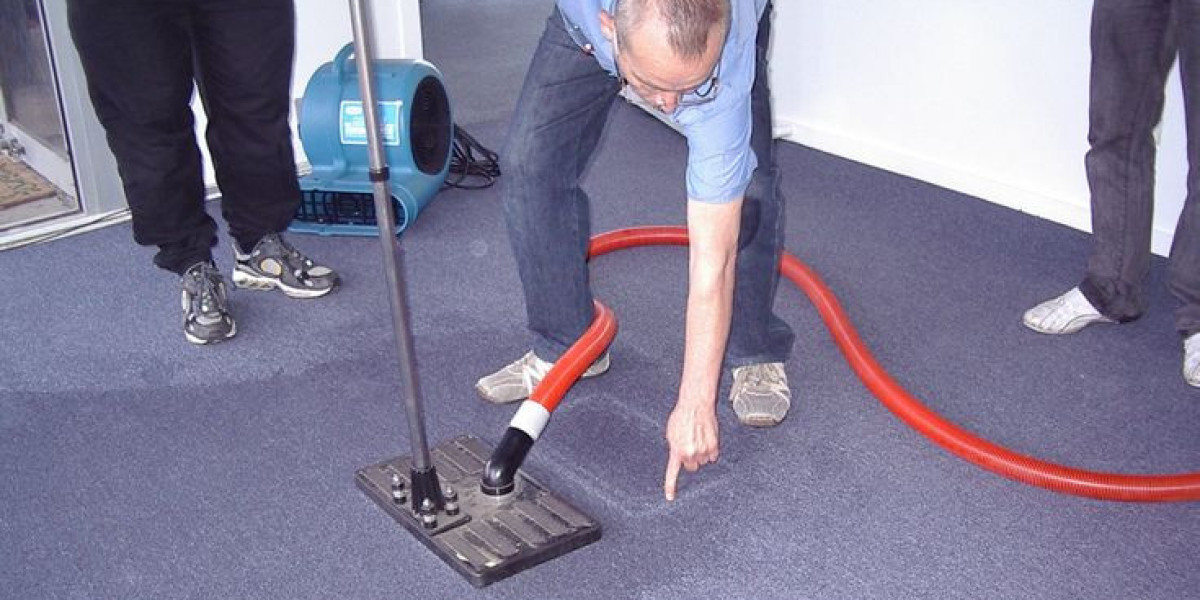
Removing visible water is only the beginning of the restoration process. Moisture can remain underneath carpet, inside padding, beneath flooring, and within other building materials. Professional equipment can extract accumulated water and help technicians determine where moisture remains. The EPA recommends rapid drying of wet carpet and backing, using appropriate extraction, airflow, and dehumidification methods.
Examine Carpet Padding
Carpet padding can hold substantial amounts of moisture beneath the visible surface. Depending on the type and contamination level of the water, the padding may need professional cleaning, drying, or replacement. North Carolina State Extension guidance notes that saturated padding affected by gray or black water should be removed, while some clean-water situations may allow restoration under appropriate conditions.
Dry the Subfloor Thoroughly
Moisture beneath carpet can reach the subfloor and remain there even after the surface feels dry. Wood-based materials may swell or deteriorate when they remain wet for extended periods. Inspecting the subfloor allows restoration professionals to determine whether additional drying or repair is necessary. Proper airflow and dehumidification can help remove trapped moisture from affected areas.
Consider Professional Carpet Care
Quality Professional Carpet Care can be particularly important after a water event because cleaning involves more than making the surface look dry. Carpet, backing, and padding may require extraction, controlled drying, cleaning, and evaluation. The appropriate treatment depends on the water source, contamination, saturation period, and condition of the materials.
Watch for Lingering Moisture
A carpet may appear dry while moisture remains underneath. For this reason, professional assessment can involve checking carpet, padding, subfloor, walls, and other nearby materials. The EPA recommends drying wet carpet and backing within 48 hours when possible to reduce conditions favorable to mold growth. Prompt assessment is therefore especially valuable after significant water intrusion.
Address Odors and Soil
Once moisture has been properly controlled, carpet may still contain dirt, residue, or unpleasant odors resulting from the water event. Appropriate professional cleaning can address remaining contamination when the carpet is considered salvageable. Treatment should be based on the type of carpet and the nature of the water exposure rather than relying on ordinary household cleaning products.
Know When Replacement Is Necessary
Not every wet carpet can or should be restored. Highly contaminated water, prolonged saturation, visible microbial growth, or severely damaged materials can make replacement more appropriate. Guidance from NC State Extension recommends professional handling for carpets affected by unsanitary water and disposal of carpet saturated with black water.
Prevent Future Problems
After restoration, homeowners should identify why the water intrusion occurred and address the underlying source. This may involve plumbing repairs, appliance replacement, roof maintenance, drainage improvements, or other corrective work. Preventive action can reduce the chance of experiencing another water emergency and protect newly restored flooring and interior surfaces.
Restore the Property Carefully
Water damage requires more than removing visible puddles. Proper assessment, extraction, drying, carpet treatment, and attention to underlying materials all contribute to a successful recovery. Acting promptly and using appropriate professional assistance can help determine what can be restored and what requires replacement. A careful approach can protect the property while helping homeowners return their living space to a clean and usable condition.