
Identify the Insects First
Not every flying, stinging insect around a property is a honey bee. Wasps, hornets, carpenter bees, bumble bees, and honey bees can have different nesting habits and require different approaches. Correct identification is therefore an important first step. The New Jersey Beekeepers Association recommends confirming that insects are honey bees before arranging removal because many species are commonly confused with one another.
Look for Nesting Activity
Repeated movement through a small opening can indicate that bees have established a colony nearby. Possible nesting locations include wall cavities, rooflines, attics, trees, chimneys, sheds, and other protected spaces. A temporary swarm may gather outdoors without having established a permanent nest. Watching where insects enter and leave can provide useful information for a professional inspection without disturbing the colony.
Avoid Disturbing an Active Colony
Trying to remove a colony without suitable experience can increase the chance of stings and may cause bees to move farther into a structure. Homeowners should avoid blocking an active entrance before the situation has been evaluated. If bees are entering a wall or another enclosed area, professional assessment can determine where the colony is located and what type of removal may be appropriate.
Arrange Professional Removal
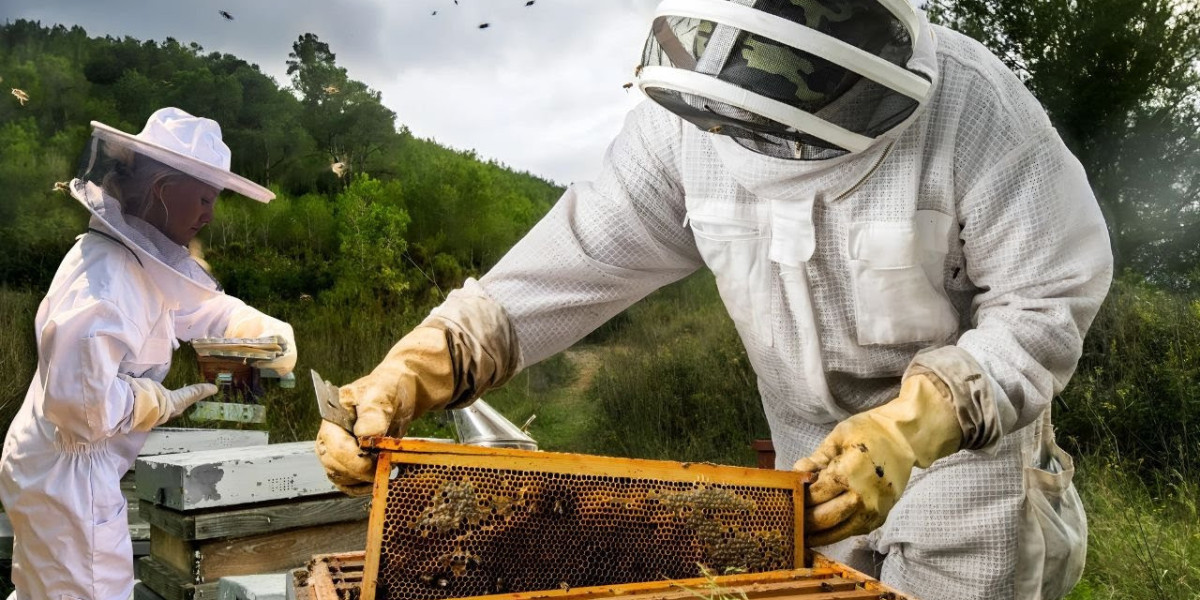
When considering Honey Bee Removal Services Westfield NJ, property owners should look for professionals who understand honey bee behavior and appropriate removal practices. Local providers advertise live removal and relocation when conditions allow. The New Jersey Beekeepers Association also maintains information for people seeking beekeepers who remove and relocate honey bee swarms and colonies.
Consider Humane Relocation
Honey bees play an important role as pollinators, so removal does not always mean extermination. Depending on the species, colony condition, accessibility, and safety concerns, experienced beekeepers may be able to relocate a healthy colony. New Jersey guidance specifically states that honey bee hives and hanging swarms should be humanely removed and relocated by experienced beekeepers.
Locate Hidden Colonies
A visible group of bees may not reveal the full extent of a colony. Established bees can build comb inside walls, roofs, trees, and other cavities. Removing only the insects visible outside may leave the actual nesting area untouched. A thorough inspection can help determine where the colony is located and whether access to hidden areas is necessary for complete removal.
Remove Remaining Nest Materials
When a colony has occupied a structural cavity, simply removing the bees may not resolve the entire problem. Wax, honey, and other nesting materials can remain behind. These materials may attract insects or other pests and can contribute to recurring problems. Proper removal and cleanup of the affected area can therefore be an important part of completing the work.
Protect the Property
Professional Bee Removal Services should consider both the insects and the structure where they have established themselves. If a colony is inside a wall, roofline, attic, or another enclosed area, technicians should determine how to reach it while limiting unnecessary disturbance. After removal, openings and potential entry points can be evaluated so future colonies have fewer opportunities to establish themselves in the same location.
Keep Family Members Safe
Bee activity near doors, patios, walkways, play areas, or other frequently used spaces deserves prompt attention. Until the situation has been assessed, household members and pets should avoid approaching the colony or nest entrance. Keeping people away from active bee activity reduces unnecessary disturbance and provides professionals with safer conditions when they arrive to evaluate the property.
Consider Seasonal Activity
Bee activity can increase during swarming periods. The New Jersey Beekeepers Association notes that honey bees in New Jersey tend to swarm from late April through July. Increased activity during this period can make early identification particularly useful. A homeowner who notices a swarm or repeated bee traffic should consider contacting an experienced removal professional before the colony becomes established inside a structure.
Choose Experienced Specialists
Experience matters when a colony is located in a difficult or sensitive area. Property owners should ask whether the provider handles honey bees specifically, whether live relocation is possible, and how hidden colonies are approached. Credentials, insurance, experience, and clear explanations of the proposed process can also help homeowners make a more informed decision before authorizing work.
Prevent Future Nesting
After removal, prevention can help reduce the chance of another colony using the same location. Potential entry points around roofs, siding, soffits, walls, and other exterior areas can be inspected and sealed when appropriate. Vegetation and outdoor conditions may also be reviewed for factors that attract or shelter insects. Addressing these conditions after removal can make the property less inviting to future colonies.
Protect People and Pollinators
Responsible bee removal balances property safety with the importance of honey bees. Proper identification, careful inspection, humane relocation when feasible, complete nest removal, and preventative repairs can all contribute to a better outcome. By avoiding unnecessary disturbance and working with knowledgeable professionals, Westfield property owners can address unwanted bee activity while supporting safer living spaces and responsible pollinator management.