
Start With the Property’s Condition
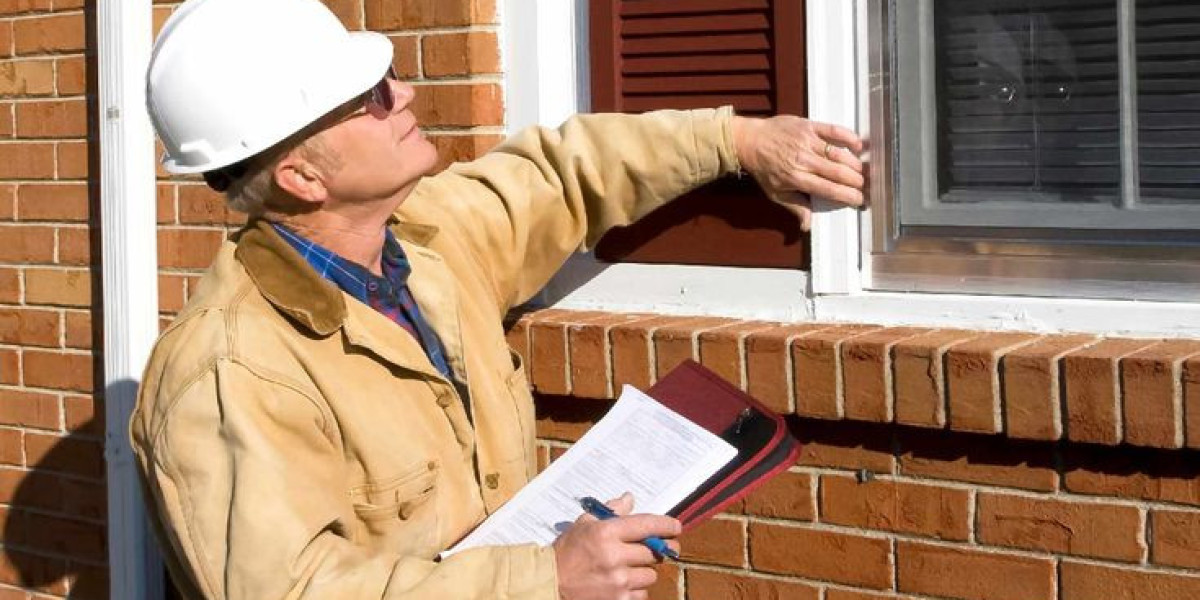
A property inspection provides useful information about the visible condition of a home before important decisions are made. Buyers, sellers, and homeowners can benefit from understanding the condition of major components, potential maintenance concerns, and areas that may require professional attention. A detailed inspection can also create a clearer picture of the property's current condition rather than relying only on appearance.
Examine Major Home Systems
A complete inspection generally considers important areas such as the roof, structure, electrical components, plumbing, heating and cooling equipment, and visible interior and exterior features. The goal is to identify observable conditions that may affect safety, function, or future maintenance. Understanding these systems together gives property owners a broader perspective than examining individual problems separately.
Pay Attention to Older Properties
Age can influence the condition of a home's major systems. Older properties may have aging roofing materials, electrical components, plumbing systems, or heating and cooling equipment that deserve closer evaluation. Longwood contains established neighborhoods with many older homes, making inspection of aging systems particularly relevant. Local inspection providers specifically identify concerns involving older roofs, electrical wiring, plumbing, and HVAC equipment.
Consider Insurance Requirements
When arranging Real Estate Inspection Services in Longwood FL, homeowners should understand the purpose of the inspection they need. A standard home inspection and an insurance-focused inspection are not necessarily the same. Local inspectors offer separate services for full home evaluations and insurance inspections, including four-point assessments. Choosing the appropriate inspection can help ensure the report addresses the property's intended purpose.
Understand Four-Point Evaluations
A Four Point Inspection focuses on four major systems: the roof, electrical system, plumbing system, and HVAC equipment. Florida inspection providers describe this type of assessment as an insurance-related evaluation rather than a replacement for a comprehensive home inspection. Understanding this distinction is important because homeowners may need both types of inspections depending on whether they are purchasing a property, maintaining coverage, or evaluating its overall condition.
Review the Roofing System
The roof deserves particular attention because its age and condition can influence both property maintenance and insurance considerations. Inspectors may document the roofing material, visible damage, installation characteristics, and estimated remaining service life when applicable. A roof that appears acceptable from the ground may still have visible concerns that deserve further evaluation. Early awareness can help owners plan repairs before problems become more disruptive.
Examine Electrical Components
Electrical systems should be reviewed for visible concerns involving panels, wiring, connections, and other accessible components. Older homes may contain electrical materials or panel types that require closer attention from inspectors and insurers. A professional evaluation can document observable conditions without requiring homeowners to make assumptions about what is hidden behind walls. This information can help determine whether further evaluation by an electrician is appropriate.
Evaluate Plumbing and HVAC
Plumbing materials, visible leaks, water heaters, heating equipment, and air-conditioning systems can all influence the comfort and functionality of a home. Inspection professionals may document the apparent condition and operation of accessible components. Local Longwood inspection providers identify plumbing and HVAC among the systems evaluated during four-point assessments. Identifying concerns early can help homeowners prioritize future maintenance.
Review the Inspection Report
A useful report should make findings understandable through descriptions, photographs, and explanations of observed conditions. Some Longwood inspection companies provide digital reports with photographs and detailed findings following an inspection. Homeowners should read the report carefully rather than focusing only on major defects. Smaller maintenance recommendations can also become valuable when planning future property care.
Ask Questions About Findings
Inspection reports can contain technical terms that are unfamiliar to property owners. Asking the inspector to clarify observations can help prevent misunderstandings. However, inspectors generally identify and document conditions rather than performing repairs or determining legal outcomes. When a report recommends additional evaluation, homeowners should consider consulting an appropriately qualified contractor or specialist for a more detailed assessment.
Plan Repairs According to Priority
Not every inspection finding requires immediate action. Safety concerns, active leaks, significant deterioration, and malfunctioning systems may deserve greater attention than cosmetic imperfections. Creating a priority list can help homeowners manage repair budgets more effectively. Addressing important problems first can also reduce the chance that small maintenance concerns develop into more expensive issues over time.
Prepare Before an Inspection
Property owners can make the inspection process more efficient by providing access to major systems and removing unnecessary obstacles from inspection areas. Relevant documents, previous repair records, maintenance information, and known concerns can also be useful. Clear access allows the inspector to examine more components and may reduce the need for return visits caused by inaccessible areas.
Make Better Property Decisions
A thorough inspection does not guarantee that every hidden problem will be discovered, but it can provide valuable information about observable conditions and major systems. Whether a property is being purchased, sold, insured, or maintained, accurate documentation can support more informed decisions. Combining inspection findings with professional repair advice and regular maintenance can help homeowners protect their investment and manage future property needs more confidently.