
Start With the Room Assessment
A successful flooring project begins with understanding the room where the new surface will be installed. The size, layout, existing flooring, subfloor condition, moisture levels, and expected foot traffic can all influence the installation process. Taking these factors into account before materials are ordered helps prevent avoidable complications and makes it easier to select a flooring style that suits the property.
Inspect the Subfloor Carefully
The subfloor provides the foundation for the finished surface, so its condition should not be overlooked. Uneven areas, moisture, damaged sections, or weak spots can affect how flooring performs after installation. Professional installers may check the surface and make necessary preparations before placing new boards. Proper preparation can help reduce movement, uneven areas, squeaking, and other problems that may develop later.
Select a Suitable Wood Style
Wood flooring comes in numerous species, colors, widths, textures, and finishes. Homeowners should consider the existing interior design as well as how much natural light enters the room. Lifestyle also matters because busy households may benefit from finishes that are easier to maintain. Choosing materials based on both appearance and practical use can create a floor that complements the space without sacrificing everyday functionality.
Plan the Installation Properly
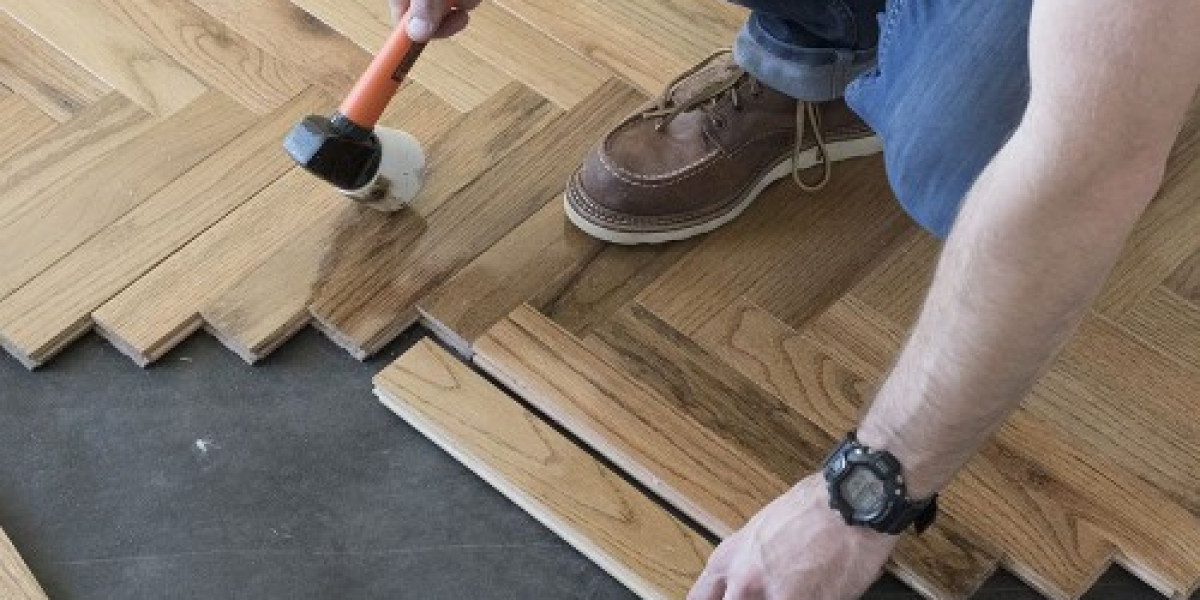
When considering Wood Floor Installation Services in Spring Valley CA, homeowners should discuss material selection, subfloor preparation, installation methods, transitions, trim, and expected project timelines with the installer. Local flooring providers serving Spring Valley advertise installation, refinishing, repair, and replacement services. A detailed plan helps ensure that important preparation steps are considered before installation begins.
Allow Materials to Acclimate
Wood products can respond to changes in temperature and humidity. Allowing flooring materials to acclimate according to the manufacturer's recommendations can be an important part of preparation. The appropriate process depends on the specific product and installation method. Following manufacturer guidance can help minimize unwanted movement after installation and provides the flooring with a better opportunity to perform as intended.
Consider the Installation Layout
The direction and arrangement of boards can significantly influence the appearance of a room. Installers may consider the room's shape, windows, doorways, sightlines, and transitions when planning the layout. A thoughtful arrangement can create visual continuity between connected spaces. Planning board placement before installation also helps reduce awkward cuts and ensures that the finished floor has a balanced appearance.
Pay Attention to Transitions
Flooring projects sometimes connect wood surfaces with tile, carpet, vinyl, or other materials. These connections need appropriate transition pieces and careful height planning. Poorly handled transitions can create uneven edges or noticeable visual breaks. Professional installers can determine where transitions are necessary and select suitable trim or reducers. This attention to detail can give the completed project a more polished appearance.
Think About Long-Term Maintenance
Wood Flooring Services can involve more than installation alone. Depending on the provider, homeowners may also find options for refinishing, repairs, replacement, or other flooring needs. Spring Valley flooring providers advertise combinations of installation and refinishing services. Considering future maintenance during the initial project can help homeowners understand how the floor may be cared for as it ages.
Protect the New Surface
Newly installed flooring should be protected during the remainder of a renovation or moving process. Heavy equipment, furniture, construction debris, and grit can scratch or damage a new surface. Using appropriate protective materials and avoiding unnecessary traffic during the recommended curing or settling period can help preserve the finish. Homeowners should follow the installer's specific instructions before returning the room to normal use.
Consider Moisture and Indoor Conditions
Humidity and moisture can influence wood flooring performance. Areas with potential moisture exposure should receive additional attention before installation. Leaks, damp subfloors, or poor ventilation may need to be addressed first. Professional flooring guidance for Spring Valley projects commonly emphasizes moisture testing and subfloor preparation before installation. Addressing environmental concerns early can help protect the investment.
Review the Finished Installation
A final inspection gives homeowners an opportunity to examine the completed surface. Boards should appear properly aligned, transitions should be secure, and trim should be finished neatly. Any noticeable gaps, movement, damaged areas, or unfinished details should be discussed before the project is closed. Reviewing the work carefully also allows homeowners to ask questions about cleaning, maintenance, and protection.
Maintain the Floor Regularly
Routine care can help preserve the appearance of a wood floor for years. Regular sweeping or vacuuming removes grit that can cause surface wear, while prompt attention to spills can reduce moisture exposure. Furniture pads can help prevent scratches, and appropriate cleaning products should be used according to the flooring manufacturer's recommendations. Consistent maintenance can keep the surface looking attractive while reducing unnecessary wear.
Create a Lasting Flooring Upgrade
A durable wood floor depends on more than selecting attractive boards. Proper preparation, suitable materials, thoughtful layout, professional installation, and regular maintenance all contribute to long-term performance. By evaluating the existing space carefully and planning each stage before work begins, Spring Valley homeowners can create a comfortable and visually appealing floor that complements their property and remains practical for everyday living.